



Why Comfort Matters in Hearing Aid Use
Comfort is one of the most important factors for successful hearing aid use. Even the most advanced hearing aid can feel frustrating or uncomfortable if it doesn’t fit well. Small details—such as weight, dome type, or wire length—can dramatically impact daily wear. This guide walks you through what influences comfort and how to optimize your hearing aids for the best experience.

1. Hearing Aid Weight Matters
The weight of your hearing aid affects how long you can wear it comfortably. Heavier devices may cause fatigue or soreness behind the ear.
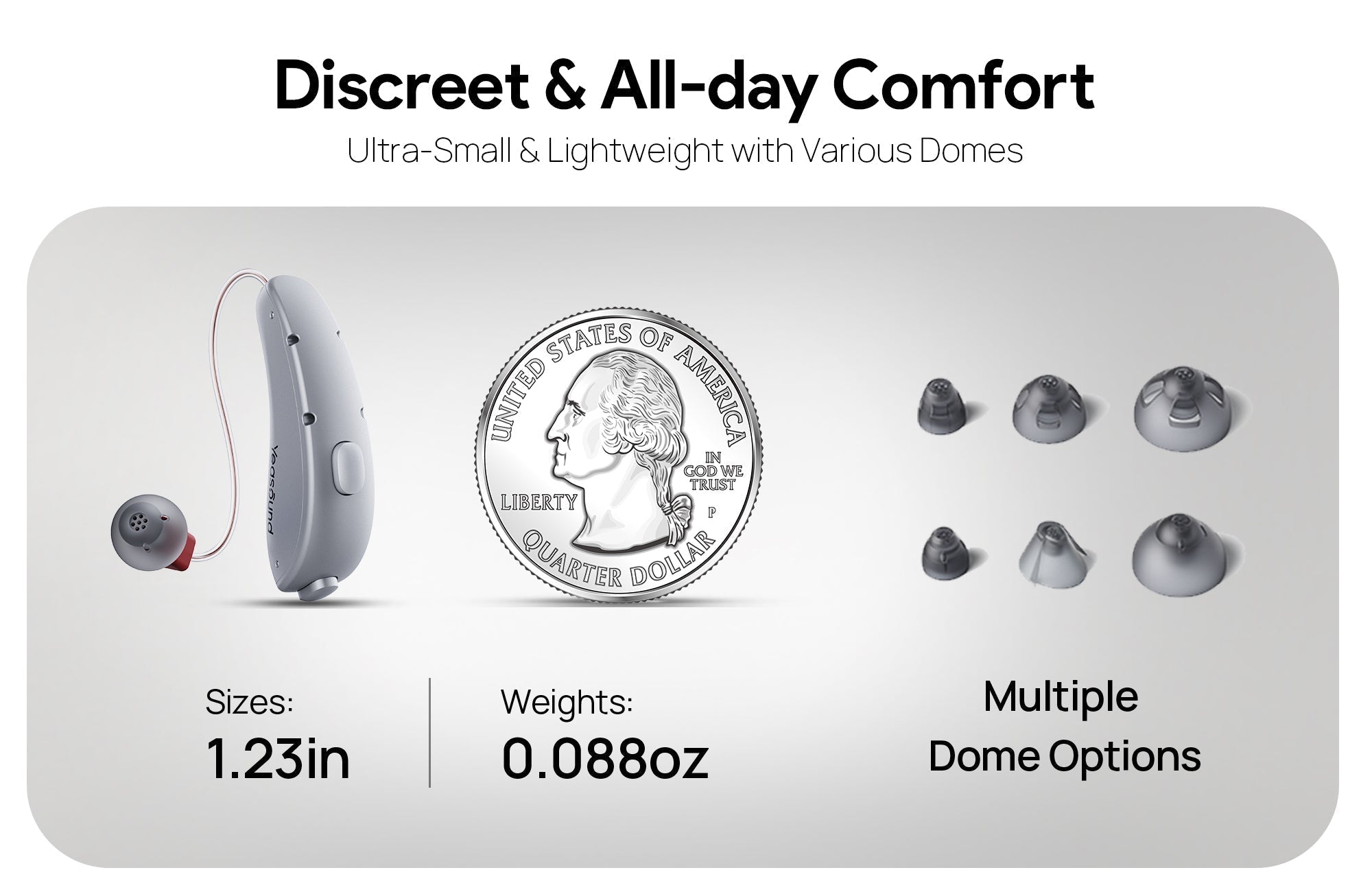
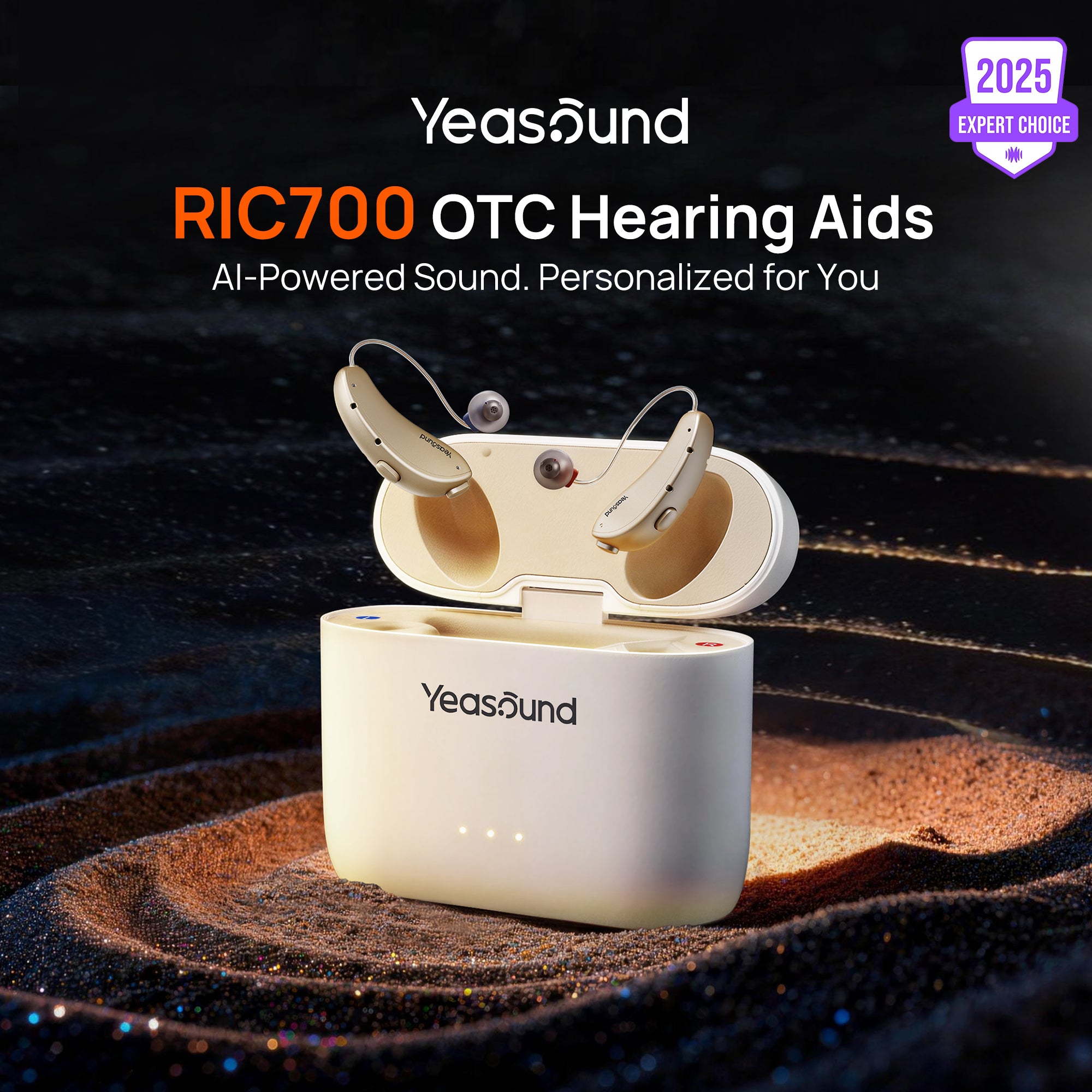
· Our RIC800 hearing aid weighs only 2.69 grams and measures just 1.23 inches (3.12 cm) in length, making it exceptionally compact and comfortable for extended daily wear.
· Lightweight devices reduce pressure on the ear, improve stability, and feel less noticeable during daily activities.
2. Dome Selection
Choosing the correct dome is crucial not just for comfort, but also for optimal sound quality and overall hearing performance. The dome affects how sound enters your ear canal, how your own voice is perceived, and whether your hearing aid experiences feedback (whistling).
Why Dome Choice Matters:
· Comfort: A poorly fitting dome can cause soreness, pressure, or irritation in the ear canal, making the hearing aid uncomfortable for long-term wear.
· Sound Quality: The wrong dome can alter the frequency response of the hearing aid. For example, too open a dome may reduce low-frequency amplification, while too occluding a dome may make your own voice sound “boomy” or unnatural.
· Feedback (Whistling): Domes that are too small or too open can allow sound to leak out, causing the hearing aid to whistle.
· Stability: Ill-fitting domes may slip out, affecting consistent amplification and making the hearing aid feel unstable.
For more detailed guidance on how to choose the right dome, see this blog: How to Choose the Correct Hearing-Aid Dome
3. Wire Length
For RIC (Receiver-in-Canal) hearing aids, the wire length is a key factor for both comfort and optimal hearing performance. Choosing the correct length ensures that the receiver sits securely in the ear canal without causing pressure or instability.
Why Wire Length Matters:
· Comfort: A wire that is too short may pull on the ear, causing soreness or irritation. A wire that is too long may bend or tug, creating discomfort behind the ear.
· Stability: Incorrect wire length can make the hearing aid feel loose or unstable, increasing the chance of it slipping out during daily activities.
· Feedback (Whistling): Wires that are too long or too short can alter the angle and position of the receiver in the ear canal, increasing the risk of whistling or reduced sound quality.
· Sound Performance: The correct wire length ensures that the receiver sits at the optimal depth and angle, preserving clarity and natural sound perception.
For more detailed guidance on how to select the correct wire length, see this blog: How to Measure Your RIC Wire Length at Home
Final Thoughts
Comfort affects not just how long you can wear your hearing aids, but also your overall listening experience. Lightweight devices like the RIC800, properly sized domes, and correctly measured wires make a significant difference in clarity, stability, and feedback control. Taking a few minutes to optimize fit and components can dramatically improve daily life with your hearing aids.


Share:
Stay Updated
Get the latest hearing tips & news delivered to your inbox.