



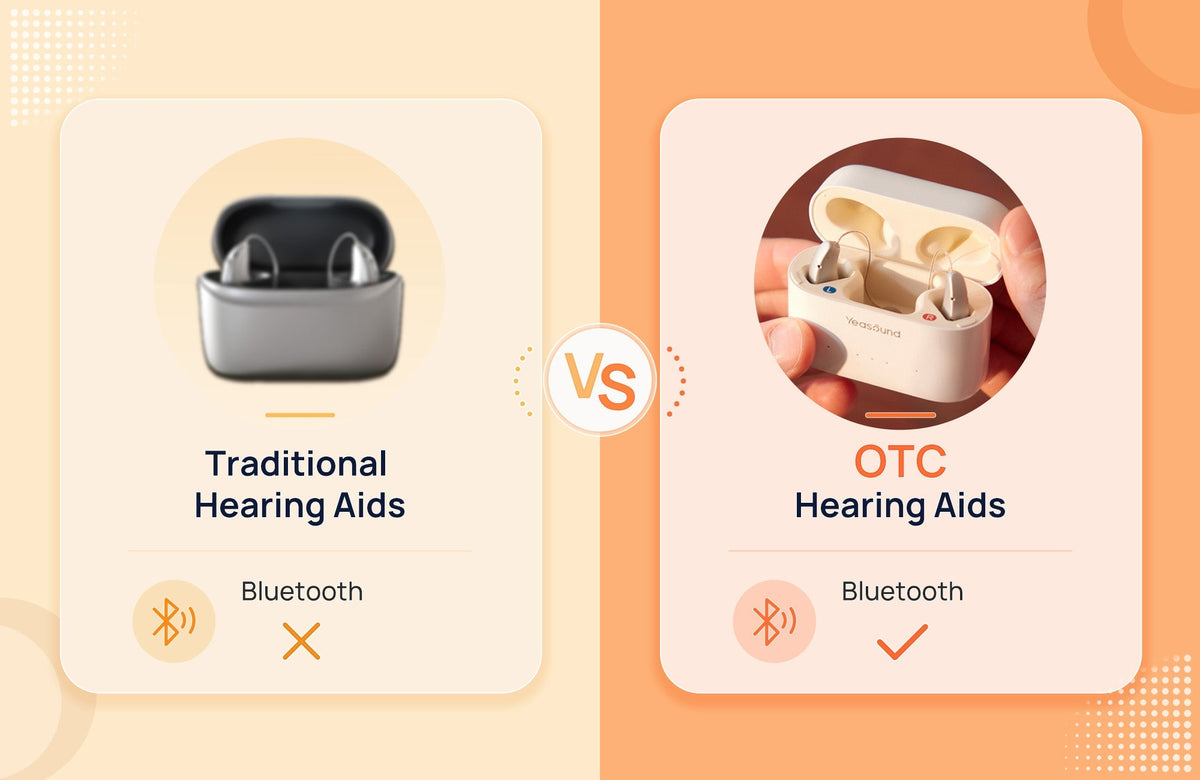
Bluetooth vs traditional hearing aids sounds like a technology comparison. For most families it is really a patience comparison. Bluetooth can be wonderful when a call goes straight to the ears. It can also be one more thing to pair, charge, update, and explain when something stops working.

The Real Difference Is Not Modern Versus Old
Traditional hearing aids are not automatically old-fashioned. Many people use them happily because they solve the problem they actually have: hearing speech around them. A spouse in the kitchen, a cashier behind a counter, a neighbor on the porch, a family member at dinner. If that is the main listening world, a simpler hearing aid may be the calmer choice.
Bluetooth hearing aids add another layer. They can bring phone calls, music, videos, podcasts, or app-based controls into the hearing aid experience. That can be genuinely useful. It can also be unnecessary if the person rarely streams audio or dislikes managing device settings. A feature is only a benefit when it fits the day.
Bluetooth SIG explains newer LE Audio support for hearing aids here: Bluetooth LE Audio. That background is useful, but the daily test matters more: does the device work when someone is tired, distracted, and just wants to answer a call?
When Traditional Hearing Aids Make More Sense
Traditional hearing aids may be better when the user wants fewer moving parts. Put them in. Adjust volume if needed. Walk outside. That simplicity can be valuable for someone who does not want a phone involved in every adjustment. It can also be better for people who use basic phones, rarely stream media, or become frustrated when Bluetooth menus change after software updates.
Comfort still matters most. A traditional hearing aid that sits well, sounds natural, and gets worn every day may do more good than a Bluetooth model that lives in the charger. Sometimes technology makes a device easier. Sometimes it gives the user one more place to get stuck. The best hearing aid is the one that becomes a habit.
When Bluetooth Is Worth It
Bluetooth earns its place when sound keeps coming from devices. Phone speakers are small. Laptop speakers can be thin. TV dialogue can be loud and still muddy. Direct audio may help because it skips the room and sends sound closer to the ear. That can reduce the need to crank up speaker volume or hold the phone in an awkward position.

Bluetooth may also help people who take work calls, watch online videos, use navigation prompts, or rely on family video chats. In those cases, traditional amplification may help the room, but not the device audio. The question is whether your daily sound problems involve devices often enough to justify the extra setup.
|
Daily Situation |
Traditional Hearing Aid Fit |
Bluetooth Hearing Aid Fit |
|---|---|---|
|
Mostly in-person conversation |
Often enough if comfort and speech clarity are good |
Helpful but may be more than needed |
|
Frequent phone calls |
May still require phone speaker or careful placement |
Often more convenient if call streaming is stable |
|
TV dialogue problems |
May help room sound but not always enough |
Can help if TV or phone routing is supported |
|
Low tolerance for apps |
Usually simpler |
Can frustrate if pairing or settings feel confusing |
|
Heavy media or meeting use |
Less direct support |
Usually worth testing seriously |
Battery and Charging Are Part of the Decision
Streaming uses power, so battery life should be tested honestly. A person who streams calls in the morning, watches TV in the evening, and forgets to charge at night may run into trouble. Rechargeable models can make daily use easier, but only if charging becomes part of the routine.
Run one normal day before trusting the marketing estimate: morning conversation, one call, one video, quiet wear, then evening TV or family talk. If the device reaches bedtime comfortably, good. If it needs charging before dinner, that matters.
Yeasound Fit for This Choice
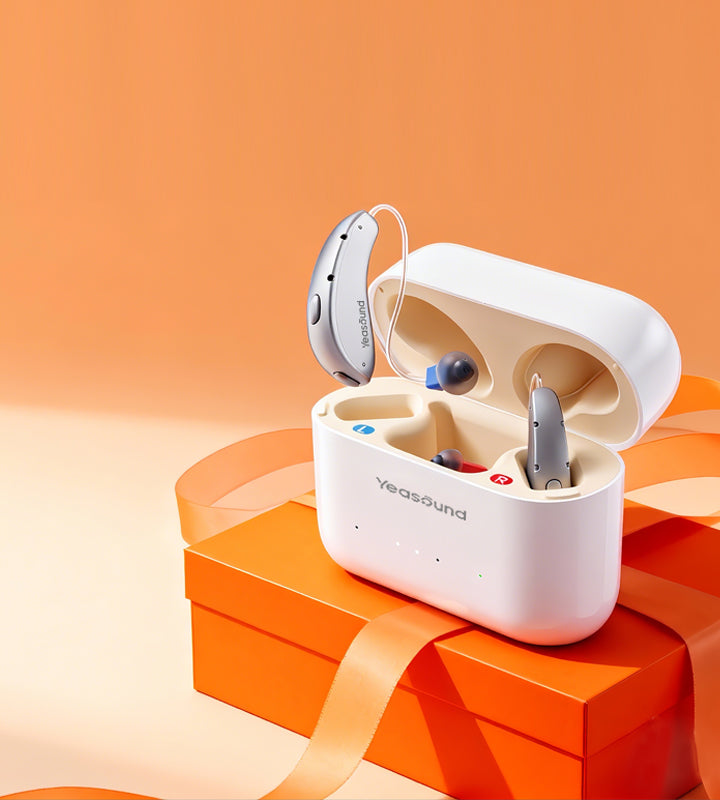
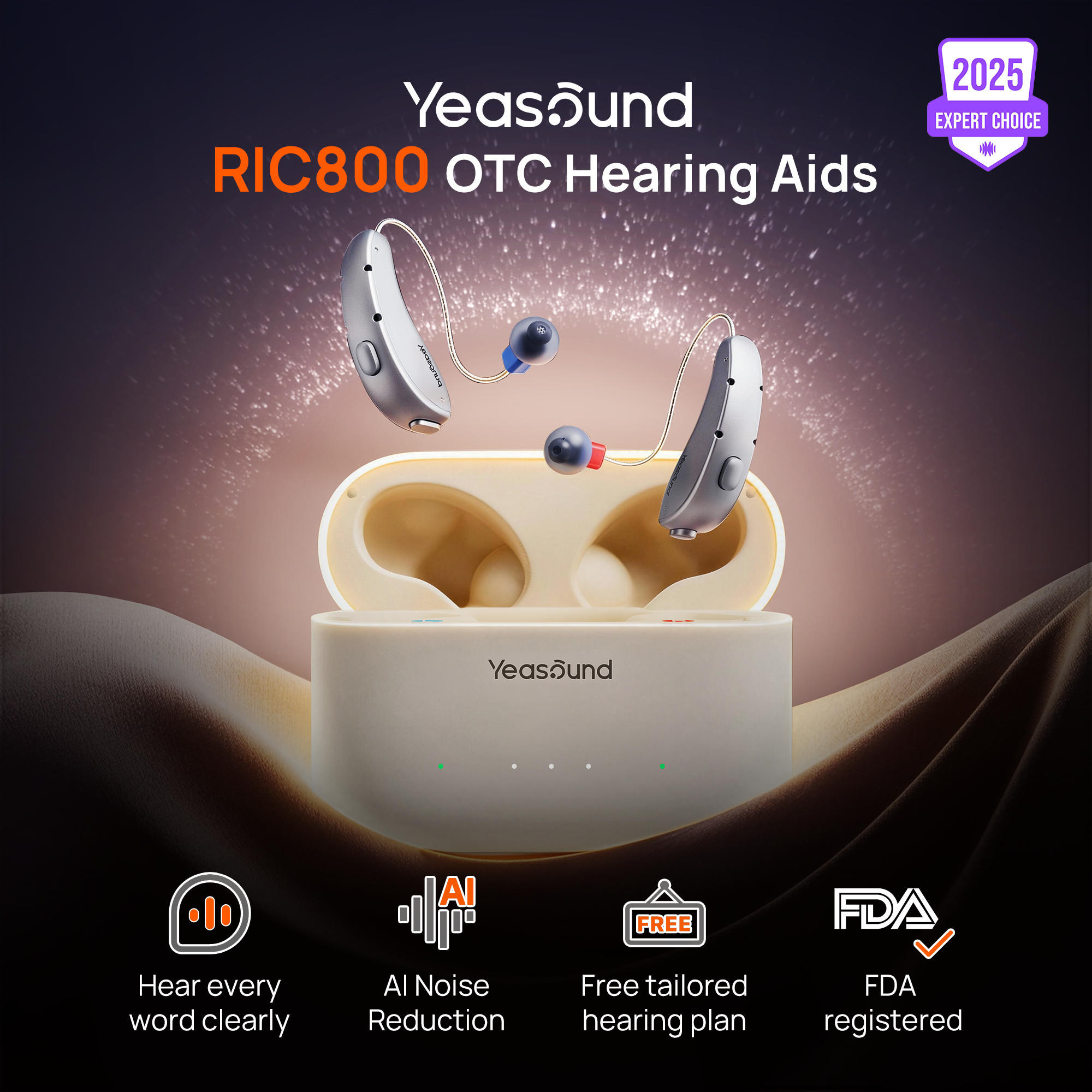
For Yeasound, RIC800 is the model I would compare if Bluetooth audio, rechargeable use, AI noise reduction, and app controls are genuinely useful in your routine. Check Yeasound device compatibility before assuming your phone will behave the same as someone else's.
The iYeasound app adjusts volume, presets, treble, bass, battery status, and reminders. It does not test hearing. Use Yeasound's web hearing test if you need a quick screening step before deciding whether OTC hearing support is the right starting point.
A Buying Test I Trust
Try one phone call, one TV show, one short video, one reconnect after charging, and one day when the user is tired. If Bluetooth only works when everyone is patient, it is not ready for daily life. If it works quietly in the background, it may be worth paying attention to.
For traditional hearing aids, test errands, a meal, and a quiet evening. Notice whether conversation takes less effort and whether volume feels comfortable. Then score the moments that happen most often: easy, tolerable, or still frustrating. If the user watches TV every night but takes one phone call a week, TV performance should weigh more heavily than call streaming.
The Plain Answer
Choose Bluetooth when calls, TV, videos, podcasts, or meetings are part of the hearing problem. Choose traditional when the main need is simple, reliable help for nearby speech. Neither choice is more serious. The better choice is the one that matches the user's habits and gets worn consistently.
There is pressure to choose the newer feature, but that pressure is not always helpful. A traditional hearing aid worn ten hours a day may be better than a Bluetooth model worn only when someone else helps set it up. After one week, ask which feature the user actually used. If Bluetooth was used daily and reduced frustration, it earned its place. If it was ignored, move the decision back toward comfort, speech clarity, and easy handling.
FAQ
Are Bluetooth hearing aids better?
Only when streamed sound is part of the real problem. If phone calls, videos, TV, or online meetings cause daily frustration, Bluetooth is worth testing. If the main issue is nearby conversation, a simpler traditional device may be enough.
Do Bluetooth hearing aids drain faster?
Streaming usually uses more battery than ordinary listening. Rechargeable models can help, but you should still test a full normal day. Battery matters because people stop using features when they worry about power.
Can Bluetooth hearing aids connect to any phone?
No. Phone model, operating system, hearing aid model, app support, and Bluetooth feature type all matter. Always check compatibility and run a real call test.
Are traditional hearing aids easier?
Often, yes. They can be better for someone who dislikes settings, rarely streams audio, or wants the simplest daily routine. Easier does not mean less useful if the device solves the main problem.
Should TV users choose Bluetooth?
Maybe. If TV dialogue is a daily frustration, Bluetooth or a TV accessory may help. Test the actual TV setup first because the room, speakers, or streaming path may be the real issue.



Share:
Stay Updated
Get the latest hearing tips & news delivered to your inbox.