



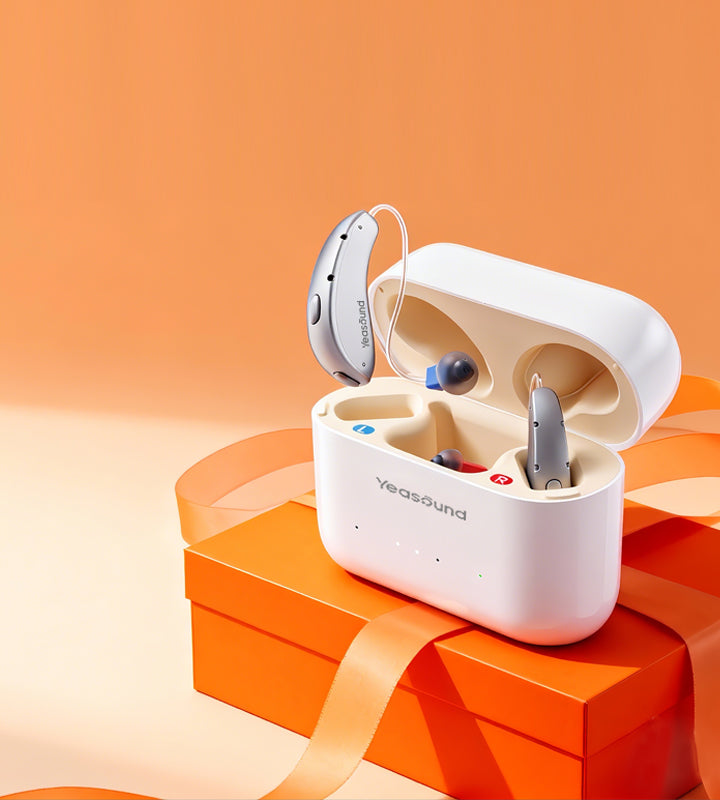

The best travel tips for hearing aid users start before the suitcase closes. The problem is rarely the flight itself. It is the moment at the hotel sink when the charger is in the wrong pouch, or the gate announcement sounds garbled, or a video call with family fails because the phone pairing was never tested at home.

Travel Tips For Hearing Aid Users Before The Suitcase Closes
A hearing-aid travel kit should include the hearing aids, charging case, cable or plug, cleaning brush, spare domes or tips if used, a drying cloth, and support information. Put the kit in a carry-on rather than checked luggage, because a delay can turn a simple routine into a whole-day problem.
The most useful habit is consistency. At home, the devices may live on one nightstand. During travel, choose one place in the hotel room and keep the charger there every night. Hearing aids are small; travel makes small things disappear faster.
Before The Flight, Test The Noisy Moments
Airports are a hard listening environment: rolling bags, overhead announcements, masks, distance, and competing conversations. If a hearing aid has multiple programs or app controls, test the settings before the trip, not while boarding has already started.
Phone compatibility matters too. Open the Yeasound device compatibility page before travel if streaming, calls, or app control will matter on the trip. A device that sounds fine at home can still be frustrating if phone permissions, Bluetooth routing, or app access are not ready.
Hotel Care Is Where Trips Go Wrong
Moisture is easy to underestimate. A shower, humid city, sudden rain, or sweaty walking tour can make the evening routine more important than usual. Wipe devices dry, keep them away from the sink edge, and avoid loose storage in a towel or toiletry bag.
Build a simple night check: clean, dry, charge, and place the case where it will be seen in the morning. That routine is not glamorous, but it prevents the most common travel mistakes.
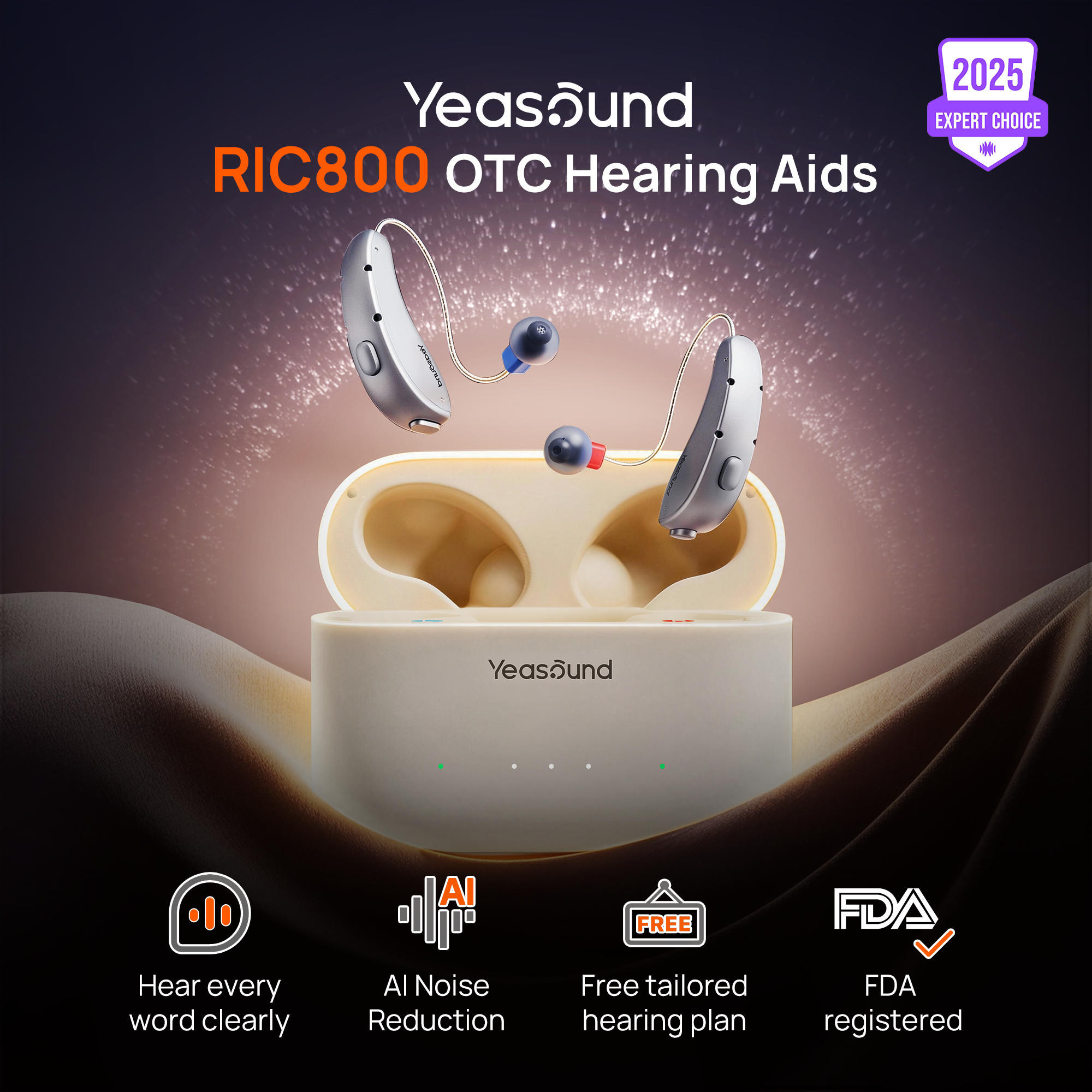
Yeasound RIC800 is a practical current option for travelers who want rechargeable use, Bluetooth support for iOS and Android, app adjustments, and speech-focused processing. It is especially relevant if the trip includes calls, meetings, restaurants, or mixed indoor-outdoor days.
Yeasound CIC60 is worth watching for future travel because it is a completely-in-canal OTC hearing aid with Bluetooth 5.3 direct streaming, case-based physical controls, IPX8 water resistance, and up to 15 hours of hearing use per charge. It is expected to launch in mid-September.
A Quick Travel Readiness Table
|
Travel Moment |
Check Before Leaving |
Why It Helps |
|---|---|---|
|
Airport announcements |
Wear and test in a noisy place |
Reduces surprise at the gate |
|
Hotel nightstand |
Choose one charging spot |
Prevents loss and missed charging |
|
Outdoor walking |
Pack drying cloth and case |
Protects comfort and device care |
|
Calls and maps |
Test Bluetooth and app permissions |
Avoids setup problems away from home |
What To Do The Week Before Travel
The week before a trip is the right time to make hearing aids boring. Wear them during a grocery run, a short ride-share conversation, a phone call, and a noisy cafe if possible. Test the charger in the same wall plug or travel adapter you plan to pack. If Bluetooth is important, test one call and one piece of audio while the suitcase is still open at home.
This sounds small, but it changes the trip. A user who already knows where the controls are can focus on boarding, directions, and family plans instead of learning a device while tired. Travel makes every small uncertainty feel larger, so preparation should remove as many surprises as possible.
Travel Is Also A Confidence Test
Some hearing-aid users worry less about the device itself and more about being dependent on it away from home. A simple backup plan helps: carry the support link, keep captions available on the phone, choose one quiet place for important calls, and store the devices in the case whenever they are not worn.

For active adults, the goal is not perfect hearing in every airport or restaurant. The goal is a trip where hearing support blends into the routine instead of becoming the center of the trip.
Airport And Flight Listening Are Two Different Problems
Airport listening is mostly about distance, speed, and noise. Flight listening is more about engine sound, comfort, and battery planning. A traveler may need the devices for gate changes and conversations before boarding, then decide whether to wear them, lower them, or store them safely during a long flight.
There is no single rule for every trip. A short domestic flight, a long international flight, and a work trip with same-day meetings create different demands. The travel tips should help the reader think through the day in sequence.
Hotel bathrooms are convenient but risky because sinks, towels, steam, and poor lighting make small devices easy to drop or misplace. A better routine is to choose a dry, visible surface away from running water. Put the case there first, then remove the hearing aids only when the case is open.
For outdoor travel, the care routine should include sweat and weather. A humid walking tour, beach day, rainy city, or winter hat can all affect comfort. the reader can think of hearing aids as part of the daily travel checklist, like glasses or medication.
A Realistic Travel Day Walkthrough
Think through the first travel day from morning to night. The hearing aids need to be charged before leaving, comfortable during transportation, available for check-in conversations, protected during security, useful for gate updates, and easy to store or adjust during the flight. After arrival, they still need enough charge for directions, hotel check-in, dinner, and a call home.
That sequence makes battery and case habits more concrete. A traveler does not only need a device that lasts on paper; they need a routine that works when tired, rushed, or distracted. This is where a charging case, a consistent pouch, and a known support link become more valuable than they sound in a feature list.
Active adults usually do not want hearing aids to slow the trip down. The right travel advice helps the devices disappear into the day: charge, wear, clean, store, repeat. When that rhythm works, the traveler spends less time managing hearing and more time enjoying the trip.
What To Pack For Different Trips
A weekend family visit may only require the charging case, cable, cleaning tool, and a reliable pouch. A work trip needs more preparation: Bluetooth checked with the laptop or phone, captions enabled for meeting apps, and support information easy to find. An outdoor trip adds moisture care, drying habits, and a safe place to store the devices during rain or heavy sweating.
International travel adds one more layer: plug adapters, longer days, unfamiliar announcements, and possible language barriers. The hearing-aid routine should be simple enough to survive those moments. The wearer should not be opening app settings for the first time in another airport.
The best travel advice is not dramatic. It is repeatable. Put the devices in the same place, charge them at the same time, test the same phone features, and protect them from water and rushed handling.
Should I wear hearing aids through airport security?
Many travelers keep hearing aids on, but follow airport staff instructions if asked. The more important issue is not losing them during security. If you remove them, place them in a case, not loose in a bin.
Can I put hearing aids in checked luggage?
Keep hearing aids, chargers, and cleaning tools in your carry-on. Checked bags can be delayed or exposed to rough handling. A small carry-on kit gives you control over charging and daily care.
How do I protect hearing aids from moisture while traveling?
Use a dry cloth, keep devices away from sinks, and store them in the charging case or proper container. Humid weather and hotel bathrooms can create more moisture than a normal day at home.
Should I test Bluetooth before a trip?
Yes. Test calls, music, maps, and app access before leaving. Travel is a poor time to discover that pairing, permissions, or phone compatibility needs troubleshooting.
What if my hearing aids stop working during a trip?
Check battery, cleaning, moisture, and Bluetooth routing first. Then use the brand's support resources if the issue continues. Keep one backup communication plan, such as captions or written notes, for travel days.


Share:
Stay Updated
Get the latest hearing tips & news delivered to your inbox.