



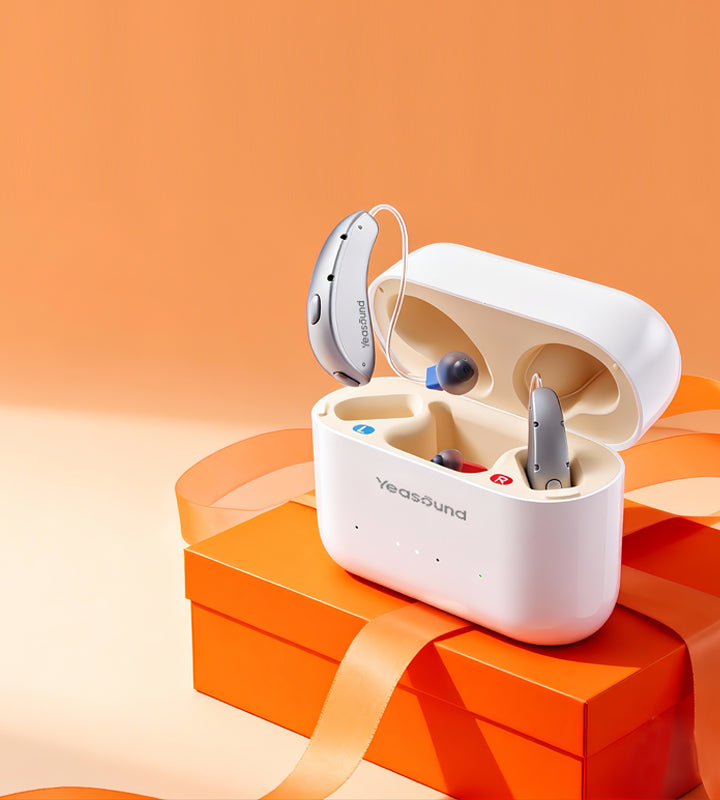

Choosing hearing aids for a parent should feel like opening an easier conversation, not turning the parent into a project. The adult child may notice missed words, isolation, or louder TV every week, but the first talk still needs to protect the parent's dignity and sense of control.

How To Choose Hearing Aids For A Parent Without Pressure
Ask which moment bothers them most: grandchildren, church, phone calls, doctor visits, TV, or dinner. A parent who cares about one clear moment is more likely to test a device honestly than a parent handed a long feature list.
Respect matters. If the parent feels corrected, they may reject even a good device. Let the first goal be smaller: one easier conversation, one clearer call, one less exhausting evening.
Check Handling Before Features
Small devices are attractive, but handling matters. Can the parent insert and remove them safely? Can they charge them without confusion? Can they change volume or switch programs without calling someone every time? A parent-friendly device is the one they can actually operate on an ordinary day.
Let the parent do part of the setup during the trial. If a caregiver does every step, the product may seem easier than it really is.
Match The Device Routine To The Parent
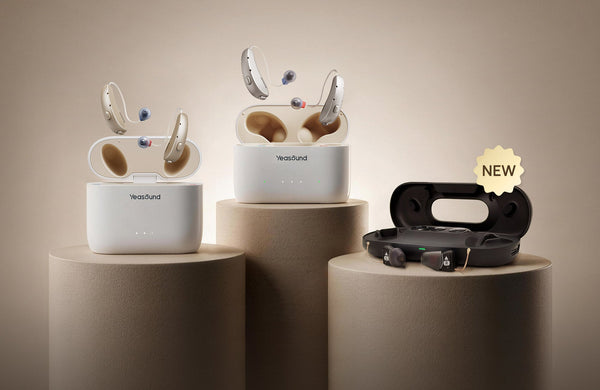
After the parent has described where listening feels hardest, the product comparison can become more practical. If Android streaming, tinnitus relief, or stronger noise handling is part of everyday life, Yeasound RIC800 is the more relevant model to compare. But if the parent keeps coming back to visibility, glasses, hair, or the feeling of wearing something behind the ear, that is when Yeasound Robin™ CIC60 deserves a separate look. It is designed to sit completely in the ear canal, while the charging case gives simple physical control for volume, listening programs, and calls, so the parent is not forced to depend on a phone app for every small adjustment. Watch Yeasound's website or Facebook for product launch updates.
Use A Family Trial Plan
|
Trial Step |
Parent's Role |
Caregiver's Role |
|---|---|---|
|
Choose test moment |
Pick what matters |
Do not override |
|
First setup |
Try basic controls |
Help only when asked |
|
Daily notes |
Say what felt easier |
Observe repeats and fatigue |
|
Final decision |
Decide keep, adjust, or return |
Keep return deadline visible |
The Conversation Should Protect Dignity
A parent may hear the suggestion as criticism even when the caregiver means help. Avoid opening with TV volume, age, or mistakes. Start with a shared goal: 'Would it help if dinner were easier to follow?' or 'Would you like to hear the grandchildren more clearly on calls?'
The wording matters because hearing aids are not just electronics. They can feel connected to identity, independence, and control. A calmer conversation gives the parent room to say what they actually want.
Choose A Trial The Parent Can Actually Run
If the caregiver chooses the product, downloads the app, pairs the phone, adjusts every setting, and tracks the return window, the trial may not reflect real life. The parent should be able to repeat the basic daily routine: insert, remove, charge, adjust, clean, and ask for support.
For caregivers, the useful question is simple: what will happen on a normal Tuesday when the caregiver is not in the room?
Watch What Happens In Real Life
A caregiver often notices patterns the parent has normalized: avoiding restaurants, handing the phone to someone else, saying 'it does not matter,' or sitting out of group conversation. These observations can be useful, but they should be shared gently. The parent should not feel watched or tested.
Frame observations around comfort and independence. For example, 'Would a clearer phone call make appointments easier?' is better than 'You never hear the phone correctly.' The goal is to help the parent keep control of the decision.

Make Support Part Of The Product
For a parent, support is not an afterthought. If setup fails, if a dome feels wrong, if Bluetooth behaves strangely, or if the parent forgets a control, the support path determines whether the trial continues or ends in frustration. A product with clear support can feel less intimidating.
The caregiver should check support hours, return terms, APP every day. For Yeasound Robin™ CIC60, the case controls are part of that support story: they give parents a more familiar way to make quick changes when phone-based controls feel like one more thing to learn.
The Parent's First Week Matters More Than The Feature List
A parent may agree to try hearing aids and still abandon them if the first week feels embarrassing or confusing. The caregiver should make the first week smaller, not bigger. Choose quiet conversations, familiar TV shows, and one simple phone call before asking the parent to test a noisy restaurant or a large family party.
This is not lowering expectations. It is building confidence. A parent who experiences one clear win is more likely to keep testing. A parent who is thrown immediately into the hardest environment may decide the device failed before settings, fit, or habit had a fair chance.
Caregivers should listen when a parent says something feels wrong. Do not dismiss comfort complaints as resistance. Sometimes the complaint is emotional hesitation; sometimes it is a real fit or sound issue that should be fixed early.
A Parent-Friendly Buying Standard
A parent-friendly hearing aid is not simply the one with the longest feature list. It is the one the parent can wear, charge, adjust, clean, and ask about without feeling embarrassed or dependent. The caregiver should treat that standard as seriously as sound quality.
The final decision should include the parent's words, not only the caregiver's observations. Ask what felt easier, what felt annoying, what they would actually wear outside the house, and which control routine felt least stressful. Those answers may surprise the person doing the research.
If the parent is unsure whether hearing aids are appropriate, start with a free hearing test or professional evaluation for symptoms that feel sudden, one-sided, painful, dizzy, or medically unusual.
Mistakes Caregivers Should Avoid
The first mistake is buying secretly and presenting the device as a finished solution. Hearing aids involve the parent's body, routine, and identity, so the parent should be involved before purchase whenever possible. The second mistake is choosing based only on what the caregiver would want. A caregiver who loves app control may be helping a parent who wants physical simplicity.
The third mistake is testing only when the caregiver is present. The parent should try normal moments alone: watching TV, answering a call, walking outside, charging at night, and putting the devices on in the morning. Those moments reveal whether the product fits the parent's real day.
The fourth mistake is treating hesitation as stubbornness. A parent may be worried about looking old, losing independence, or being judged. Patience works better than pressure.
FAQ
What if my parent refuses hearing aids?
Start with the situation they care about instead of arguing about hearing loss. A small trial goal can feel less threatening. Avoid making the conversation about age or independence.
Should I choose the smallest hearing aid for a parent?
Not automatically. Smaller can be discreet, but it can also be harder to handle. A parent-friendly CIC option should offer more than size: easy charging, simple controls, clear support, and a routine the parent can repeat without feeling dependent.
How involved should a caregiver be?
Enough to reduce confusion, but not so much that the parent never learns the routine. The parent should complete key steps alone during the trial if possible.
Which Yeasound product is better for a parent?
Yeasound Robin™ CIC60 may fit simpler control with charger case and discreet wear. RIC800 is strong in more advanced noise processing matters. The right choice depends on the parent's actual use.
How long should a parent test hearing aids?
Use repeated situations over about 30 days when possible. A single family dinner is not enough. Look for patterns in comfort, clarity, and willingness to wear the devices.



Share:
Stay Updated
Get the latest hearing tips & news delivered to your inbox.