



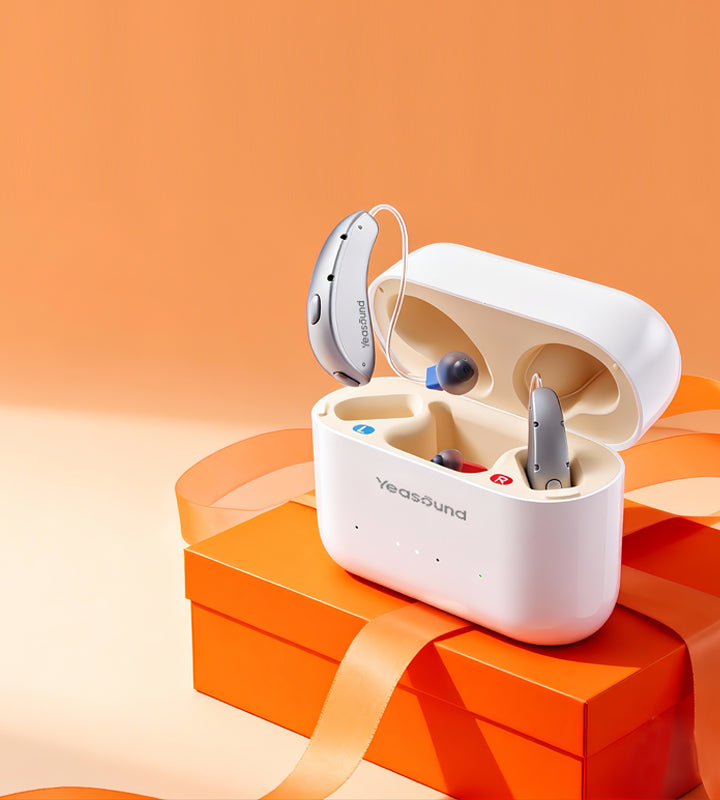

You wake up, get ready for work, and reach for your hearing aids—only to discover that the batteries are almost empty. It is an inconvenient start to the day, especially when you have meetings, appointments, or family conversations ahead. Fortunately, choosing the right rechargeable hearing aids can make these situations easier to manage.
The best rechargeable hearing aids offer more than reliable sound amplification. Fast-charging capabilities, portable charging cases, clear battery indicators, and long battery life can help reduce charging anxiety. If you occasionally forget to charge your devices overnight, understanding emergency charging options can help you plan your day with greater confidence.

1. Choose Hearing Aids with a Fast-Charging Function
When comparing the best rechargeable hearing aids in 2026, look beyond the total battery life and check how quickly the devices can recharge. A fast-charging function can be especially useful when you discover a low battery shortly before leaving home.
Yeasound's quick-charge information highlights a useful emergency option: 30 minutes of charging can provide approximately three hours of use, while a full charge takes around three hours. These figures should be checked against the specifications and instructions for the particular model you intend to purchase.
For example, a short charging session may provide enough power to get through a morning appointment or part of a workday. However, quick charging should be treated as a backup rather than a replacement for regular overnight charging.
When shopping for rechargeable hearing aids, compare these practical features:
- Quick-charge support: Find out how much listening time a short charge provides.
- Full charging time: Check how long the device takes to reach full capacity.
- Battery-life estimate: Look for sufficient power to cover your typical waking hours.
- Charging indicators: Choose a system that makes charging status easy to understand.
- Portable charging case: Consider whether you can recharge while travelling or away from a wall outlet.
These features can help you identify the best rechargeable hearing aids for your routine rather than relying on advertised battery life alone.
2. Emergency Quick-Charge Solutions When You Forget
If your hearing aids are nearly out of power, start by placing them correctly in their designated charger. Check the charging indicators and make sure the case has sufficient power. If the case requires a cable or charging base, connect it according to the manufacturer's instructions.
Next, consult your model's manual to confirm whether it supports quick charging and how long you should charge it. Avoid assuming that every hearing aid provides the same listening time after a 15- or 30-minute charge.
Here is a practical comparison of charging options:
|
Charging option |
Main benefit |
Best use |
|---|---|---|
|
Quick charging |
Restores some listening time in a short period |
Last-minute emergencies |
|
Overnight charging |
Provides a full charge before the next day |
Everyday routines |
|
Portable charging case |
Offers charging away from a wall outlet, depending on case capacity |
Travel and busy days |
|
Phone reminders |
Helps prevent missed charging sessions |
Building consistent habits |
|
Spare compatible charger |
Provides an alternative if your main charger is unavailable |
Home and travel backup |
Important: Do not use an incompatible charger, attempt to charge a device in an improvised way, or expose it to excessive heat. Follow the manufacturer's guidance to protect the battery and hearing aid.
For additional troubleshooting advice, read Yeasound's Hearing Aid Has No Sound? 6 Quick Fixes to Try at Home.
3. Set Phone Reminders and Build a Charging Routine
The simplest way to avoid an emergency is to make charging part of an existing daily habit. Instead of relying on memory, connect the task to something you already do every evening, such as brushing your teeth or placing your phone on its charger.
Set a recurring smartphone reminder for your usual bedtime. A second reminder in the morning can prompt you to check the battery before leaving home.
Try these easy habits:
- Choose a consistent charging time: Charge your devices at the same time each evening.
- Create a dedicated charging station: Keep the charger somewhere visible, dry, and convenient.
- Check the battery before important events: Allow time for a quick charge if needed.
- Charge the case when necessary: A portable case cannot help if its own battery is depleted.
- Pack your charging accessories: When travelling, bring the compatible cable or charging base required by your model.
The American Speech-Language-Hearing Association offers practical guidance in its article, Daily Care and Troubleshooting Tips for Hearing Aids. Its recommendations include checking that rechargeable devices are correctly seated in their charger and confirming that charging indicators show they are receiving power.

4. Compare Battery Life, Comfort, and Charging Convenience
Quick charging is valuable, but it should not be the only consideration when choosing the best rechargeable hearing aids. Battery performance, comfort, sound quality, ease of maintenance, and available support all influence everyday satisfaction.
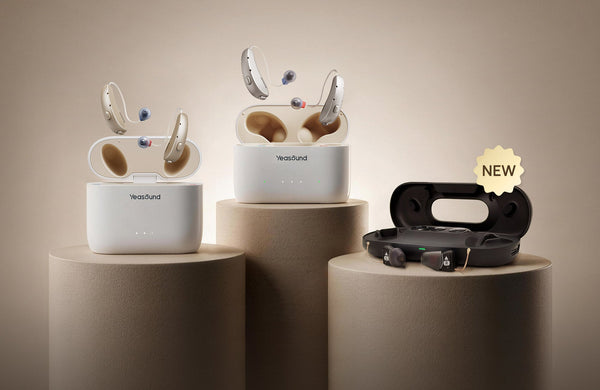
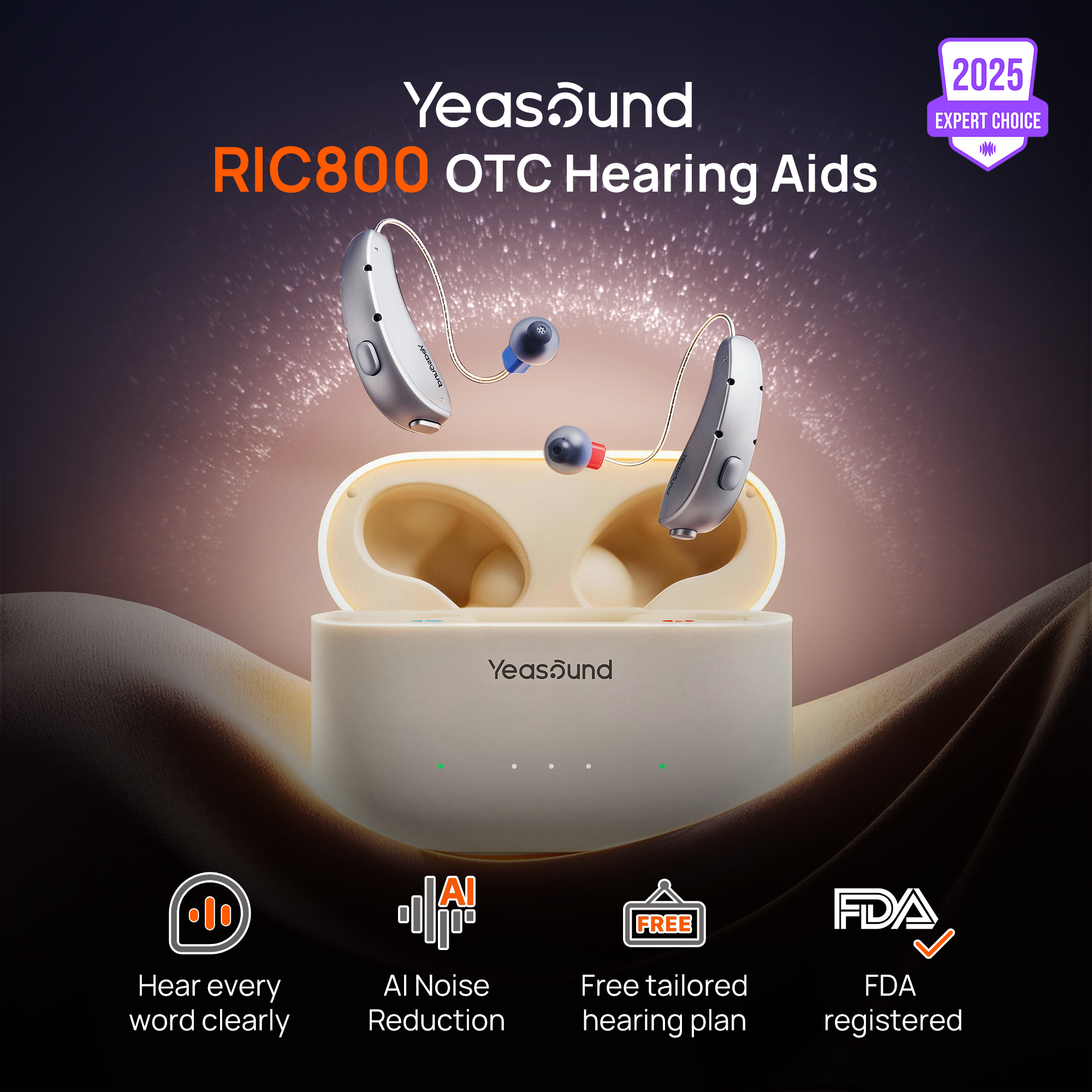
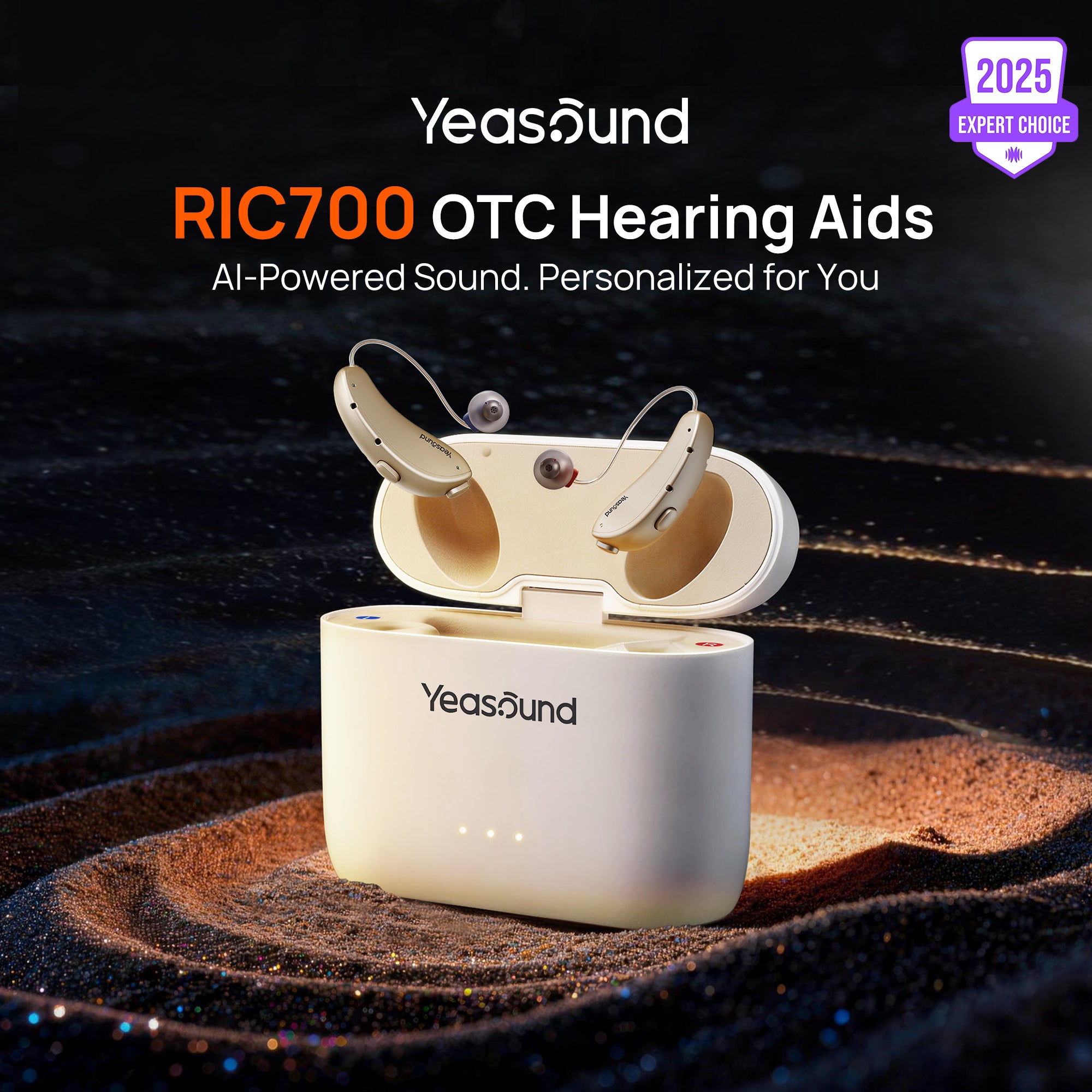
For example, Yeasound's RIC800 hearing aids feature a rechargeable design, Bluetooth connectivity, and AI-powered noise reduction. Its published product information lists a three-hour charging time for the charging case. The RIC700 model also offers a rechargeable system and a portable charging case.
Before buying, compare the specific model's documented charging performance, expected listening time, charger requirements, and available support. Not every feature is available on every device, and battery life can vary with settings and usage.
5. Make Quick Charging Part of Your Buying Checklist
The best rechargeable hearing aids should fit your listening needs and your lifestyle. If you regularly forget to charge devices, prioritize a documented quick-charge function, dependable battery life, simple charging indicators, and a case that suits your daily routine.
Before purchasing, ask the seller how much listening time a short charge provides, whether the charging case can recharge the devices without a wall outlet, and how to check battery status. Review the user manual and warranty information as well.
Remember that emergency charging is a safety net, not a daily strategy. A consistent nighttime routine combined with a suitable charging system can help reduce interruptions and keep you better prepared for conversations, appointments, and everyday activities.
Final recommendation: Choose rechargeable hearing aids that offer dependable everyday battery life and a documented quick-charge option. Pair those features with a simple charging routine to reduce the chances of running out of power when you need your hearing aids most.
Frequently Asked Questions
1. How long should I charge my hearing aids if I forget overnight?
It depends on the model and its remaining battery level. If your device supports quick charging, follow the manufacturer's instructions for the recommended emergency charging period.
2. Can 30 minutes of charging provide three hours of hearing aid use?
Some models may advertise this performance. Yeasound's stated quick-charge information describes approximately three hours of use from a 30-minute charge. Confirm that this specification applies to your selected model before purchasing.
3. Can I use my rechargeable hearing aids while they are charging?
Most rechargeable hearing aids are designed to charge while seated in their charging case and are not worn during that process. Check your device's user manual for model-specific instructions.
4. How can I stop forgetting to charge my hearing aids?
Set a recurring bedtime reminder, keep the charger in a visible location, and check the battery each morning. Charging your devices alongside your phone can also help establish a consistent routine.
5. What should I look for in the best rechargeable hearing aids?
Prioritize suitable sound performance, comfort, battery life, charging time, quick-charge capability, portable charging options, warranty coverage, and access to customer support. Choose features that match your hearing needs and daily activities.


Share:
Stay Updated
Get the latest hearing tips & news delivered to your inbox.