




My least favorite time to judge tinnitus is midnight. Everything feels convincing at midnight. The room is too quiet, the ringing is too present, and suddenly every product page looks like it might fix the whole problem. That is a bad shopping mood. If you are comparing hearing aids with tinnitus relief, wait until morning and look at the whole day.

A Better Question Than Silence
Silence is a cruel target. Most people are not buying silence. They are trying to make ringing or buzzing less central while they cook, talk, read, or watch a show. That is a healthier expectation for shopping.
That is why hearing aids sometimes make sense when tinnitus comes with hearing loss. NIDCD says hearing aids may help some people in that situation because amplified outside sound can make tinnitus less noticeable: NIDCD tinnitus. The key word is noticeable. Not cured. Not erased.
Pause the shopping process for sudden tinnitus, one-sided tinnitus, pulsing sound, dizziness, ear pain, drainage, pressure, or sudden hearing change. Those are not which model questions. They are reasons to get professional advice first.
Why Hearing Support May Change the Day
Tinnitus often feels worse when there is less outside sound to compete with it. That does not mean noise is the answer. It means usable, comfortable sound may change attention. A clearer conversation, a fan in the room, a soft television, or street sound through a window can make the internal sound feel less dominant for some people.
If hearing loss is part of the picture, the brain may be working harder all day to fill in missing sound. Hearing aids may help by making speech and environmental sound easier to access. The goal is not to blast sound over tinnitus. The goal is to reduce strain and bring ordinary sound back into reach.
Try It Like Something You Will Wear
Try a hearing aid the way you would test a chair you plan to sit in every day. Not for two minutes. Not only in the quietest room. Wear it while making breakfast, answering a phone call, walking past traffic, and sitting down in the evening.
Notice the boring stuff. Does speech come through without pushing volume too high? Does the sound feel sharp after an hour? Do you forget the device is there for part of the day? Does the tinnitus still bother you, but with a little less grip?
Cleveland Clinic describes tinnitus care as a mix of possible approaches, including sound therapy and hearing devices for some people: Cleveland Clinic tinnitus treatment. That fits the way I would test it: one change, then notes.
Yeasound Fit for Tinnitus Relief Searches
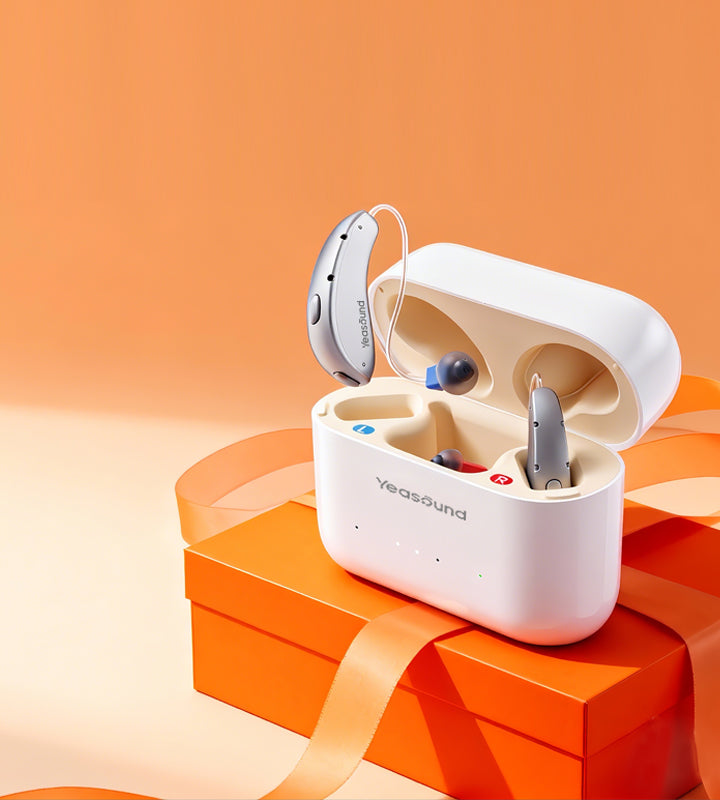
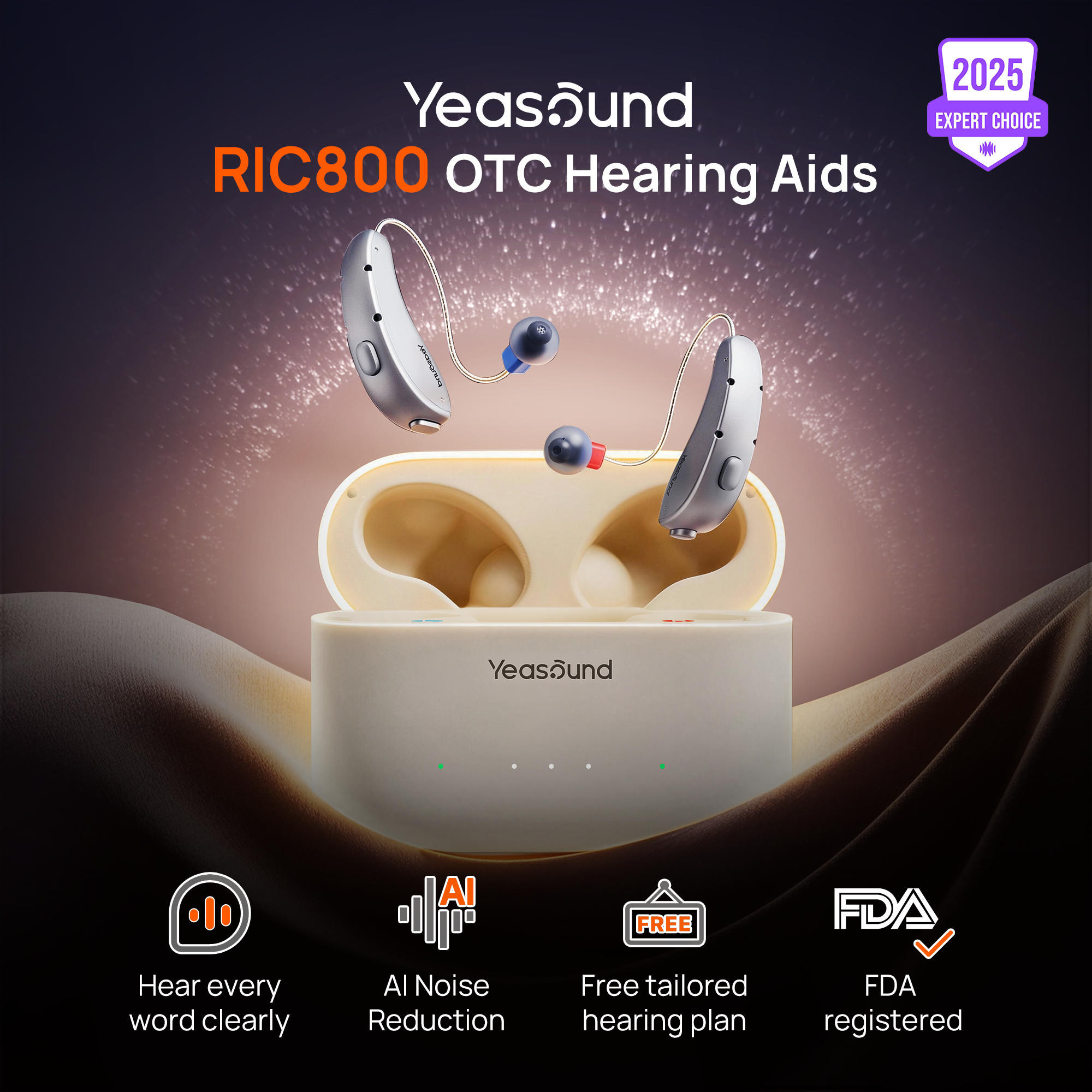
For Yeasound, RIC800 is the model to compare if tinnitus sits alongside perceived mild-to-moderate hearing difficulty. It is a discreet RIC-style OTC hearing aid with rechargeable use, AI noise reduction, auto speech focus, Bluetooth support, and iYeasound app controls for daily settings.
The iYeasound app also gives users six white-noise options for tinnitus relief support. For people who notice tinnitus mainly in one ear, the app can turn white noise on or off separately for the left and right ear and choose different white-noise sounds for each side. That makes the trial more personal than using one fixed background sound for both ears.
Comfort Comes Before Feature Names
For tinnitus relief, a long feature list is less important than calm sound. If amplification feels sharp, the user may wear the hearing aids less. If controls are hard to adjust, the user may give up before finding a comfortable setting.
Start with comfortable volume. Wear the device in short but regular periods. Add harder environments slowly. If a setting feels harsh, adjust it instead of forcing through the day. The goal is not to prove toughness. The goal is to learn whether hearing support makes daily sound easier to live with.
When to Bring in a Professional
OTC hearing aids can be a practical starting point for adults with perceived mild-to-moderate hearing difficulty, but tinnitus can have medical details that should not be ignored. Sudden, one-sided, pulsing, severe, painful, dizzy, or draining symptoms deserve professional attention. So does any sudden change in hearing.
The Calmer Buying Mindset
Do not buy from panic. Buy from notes. If the notes say hearing difficulty, conversation strain, and tinnitus awareness often travel together, hearing aids may be worth testing. If the notes point to medical warning signs, get help first. If the notes show tinnitus without hearing difficulty, sound therapy or professional guidance may be a better first conversation.
Tinnitus Relief Should Be Measured Gently
Tinnitus makes people impatient because the discomfort follows them into quiet moments. One bad night can make a device seem useless. One good evening can make it seem like the answer. A better approach is to measure the day gently: comfort, sound access, conversation effort, and evening awareness.
Sound Comfort Is the First Filter
For tinnitus-related hearing aid use, harsh sound is a serious problem. If the device makes dishes, traffic, or voices feel sharp, the user may wear it less, and the trial becomes unfair. Start with comfortable volume and familiar places. Add harder environments slowly. The device should help the nervous system settle, not make the day feel more tense.

This is also where support matters. A dome change, volume adjustment, or different listening mode may change the experience. If the first sound is uncomfortable, that does not always mean the whole idea is wrong. It means the setup needs attention before the user makes a final judgment.
FAQ
Can hearing aids provide tinnitus relief?
Sometimes, especially when tinnitus happens with hearing loss. Hearing aids can make outside sound easier to hear, which may make tinnitus less noticeable. They are not a cure, so the goal should be a calmer daily pattern.
What features matter most?
Comfortable sound comes first. After that, look for speech clarity, noise handling, easy volume control, and enough battery life for a fair trial. A feature name matters less than regular wear.
When should tinnitus be checked?
Seek professional advice for sudden, one-sided, pulsing, severe, painful, or dizzy tinnitus. Also get help if tinnitus appears with drainage, pressure, or sudden hearing change.
Can the iYeasound app test tinnitus or hearing?
No. It supports controls and product resources. Use Yeasound's web hearing test or a professional evaluation for hearing concerns. The app is not a diagnostic tool.
How long should I test hearing aids for tinnitus relief?
Use about 30 days when possible. Tinnitus changes with sleep, stress, noise exposure, and attention, so one evening is not enough evidence. Track comfort, wearing time, and tinnitus awareness.



Share:
Stay Updated
Get the latest hearing tips & news delivered to your inbox.