



The question does insurance cover OTC hearing aids often begins with a phone call that feels more confusing than it should. Someone has a plan card, a parent or spouse is missing conversation, and the product page looks simple. Then the insurance representative asks for terms the buyer did not expect: provider, reimbursement, allowance, network, itemized receipt.

Does Insurance Cover OTC Hearing Aids? Start With Benefits
Insurance plans can treat hearing care very differently. Some plans may offer a hearing allowance, some may require a specific provider network, and some may not reimburse OTC hearing aids bought directly online. Medicare coverage also depends on the plan type; Medicare.gov explains that Original Medicare does not cover hearing aids, so the buyer should not assume one national answer fits every policy.
The safest first question is specific: does my plan reimburse over-the-counter hearing aids purchased online, and what documentation do you require? A vague question about hearing aids can produce a vague answer.
The Words To Use When Calling The Plan
Ask whether the benefit applies to OTC hearing aids, prescription hearing aids, hearing exams, fittings, accessories, or only certain sellers. Ask whether the plan pays upfront, reimburses after purchase, or uses a discount network.
Write down the date, representative name if available, benefit wording, reimbursement limit, and required documents. That note can save a second call later.
What To Compare If Coverage Is Partial
Partial coverage changes the budget, but it should not decide the device by itself. A cheaper product that cannot be returned or adjusted may cost more emotionally than a higher-priced device with support and a clear trial period.
Use the returns and refunds page as part of the buying decision. Insurance may lower the price, but a clear return window lowers the risk.
|
Benefit Detail |
Why It Matters |
Question To Ask |
|---|---|---|
|
OTC eligibility |
Online purchase may be treated differently |
Are OTC devices reimbursable? |
|
Allowance amount |
Sets realistic budget |
What is the annual limit? |
|
Seller rules |
Some plans restrict sellers |
Must I use a network provider? |
|
Paperwork |
Claims can fail on unclear receipts |
What exact documents are required? |
Product Documentation Without A Hard Sell
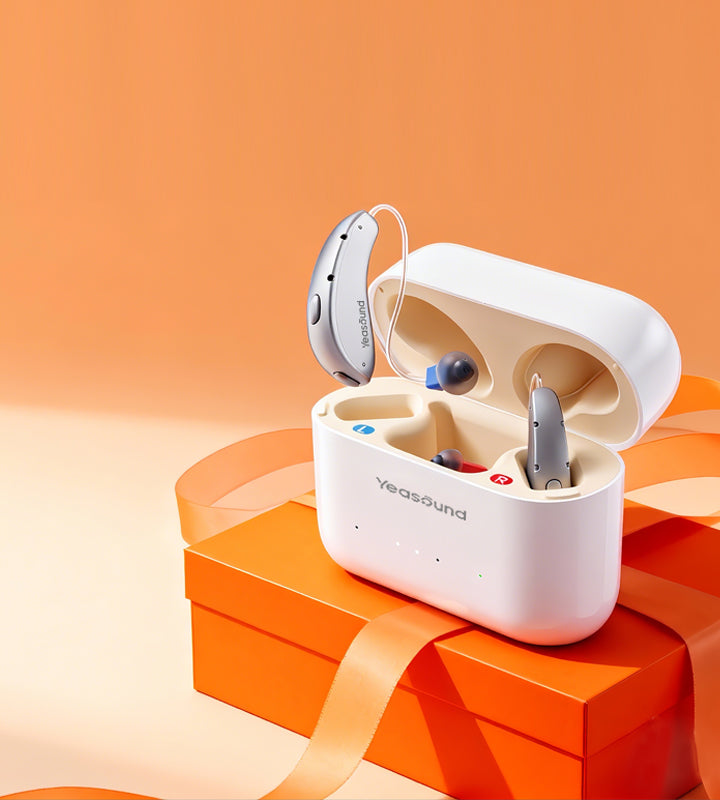
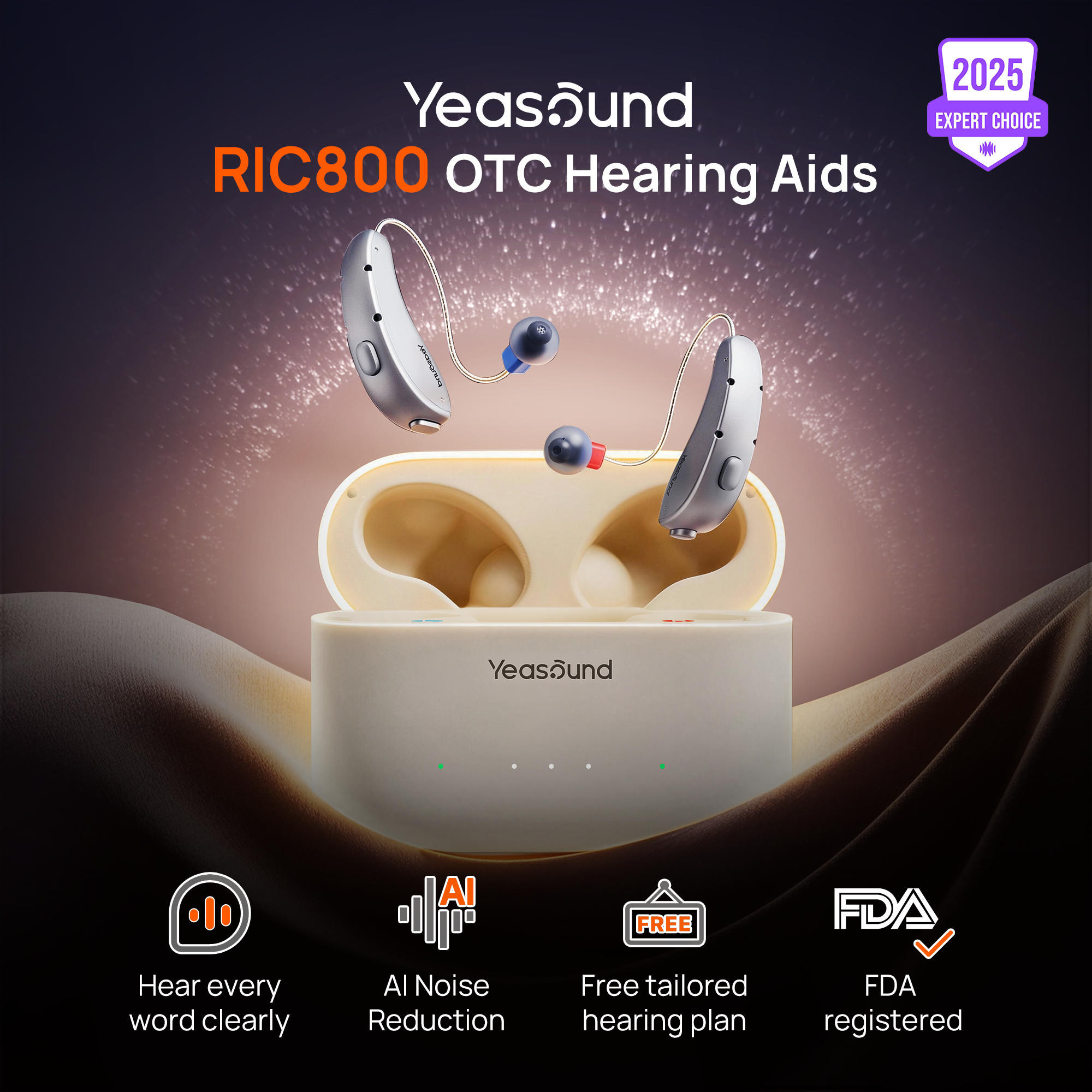
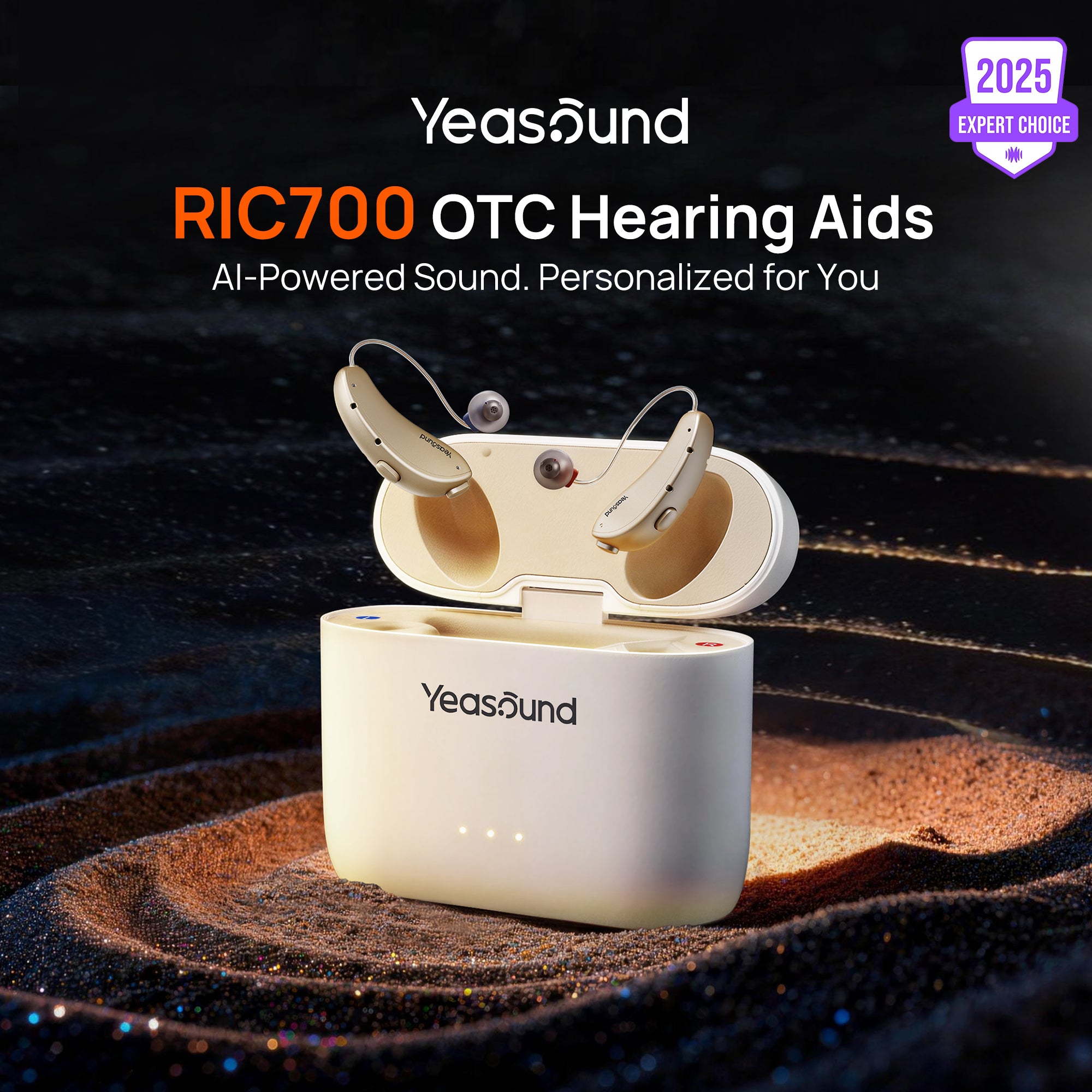
If the plan allows direct OTC purchases, Yeasound RIC800 is the easier current product to document because it has a live product page, support resources, and a clear OTC hearing-aid positioning. Product choice should still follow the listening problem, phone compatibility, comfort, and trial terms.
For insurance questions, an unreleased product is usually less useful than a product with a live page, receipt details, and a clear return path.
Questions That Get Clearer Insurance Answers
A vague call produces vague information. Instead of asking, 'Do you cover hearing aids?' ask: 'Does my plan reimburse FDA-regulated over-the-counter hearing aids bought directly from an online seller?' Then ask whether the plan needs a diagnosis code, a provider invoice, a prescription, a benefits network, or only an itemized receipt.
Put the answer in plain language before you buy. Insurance benefits are easier to use when the buyer can repeat the exact rule back: who can sell the device, what is reimbursed, how much is reimbursed, and what proof is required.
Why Coverage Should Not Override Fit
A benefit allowance can make a product feel cheaper, but it does not make the sound clearer or the fit more comfortable. If a plan pushes the buyer toward a limited network or a narrow discount list, the reader can still compare support, return rules, Bluetooth needs, and whether the wearer can manage the daily routine.
The most practical recommendation is to treat insurance as one column in the decision, not the whole decision. A device that gets worn every day is more valuable than a slightly better reimbursement on a device that stays in the charging case.
Insurance Language That Changes The Answer

Several insurance words can change the practical answer. A benefit allowance may mean the plan gives a fixed amount toward hearing care. A reimbursement benefit may mean the buyer pays first and submits proof. A network benefit may mean the plan only helps if the purchase goes through approved providers. A discount program may reduce price but not reimburse a direct purchase.
Those differences are why a simple yes or no can be misleading. The reader needs to know what type of benefit they have before deciding whether an OTC online purchase is financially sensible.
What To Do If The Plan Says No
If insurance does not cover OTC hearing aids, the decision is not over. The buyer can check FSA or HSA eligibility, compare direct pricing, review return terms, and decide whether a lower-risk trial is still worthwhile. Some readers may also decide to pursue a professional exam if their symptoms suggest more than mild-to-moderate difficulty.
If the plan says no, the decision is not over. You can still compare HSA or FSA options, direct pricing, return terms, and whether a hearing check should come first.
How To Compare Insurance With Direct Purchase
If the plan offers a small allowance but restricts the buyer to a narrow network, the direct-purchase option may still be worth comparing. If the plan reimburses online OTC purchases with simple paperwork, the decision looks different. If the plan excludes OTC devices, the buyer may still use HSA or FSA funds depending on their account rules.
That comparison works best when it stays calm and practical. Insurance is not automatically better, and direct purchase is not automatically worse. The useful question is: after reimbursement, support, return policy, and product fit are all considered, which path creates the lowest practical risk for this wearer?
That framing also helps caregivers. A caregiver buying for a parent may be tempted to choose whatever plan paperwork approves fastest. But if the parent cannot manage the device or does not like the fit, coverage has not solved the real problem.
A Buyer-Friendly Benefit Checklist
A buyer can turn the insurance call into a checklist instead of a stressful conversation. Ask whether OTC devices are covered, whether online sellers qualify, whether a diagnosis or provider note is required, whether reimbursement has a dollar limit, and whether the plan has timing rules for submission.
Then compare that answer against the actual product and support path. If the reader chooses Yeasound, review return terms before purchase, not after frustration appears. The Support Center is still part of the risk calculation because setup help can prevent an avoidable return.
Coverage feels more manageable when the next step is clear. The reader may not get the answer they hoped for, but they should know exactly what to verify and what to save.
Does Medicare cover OTC hearing aids?
Original Medicare generally does not cover routine hearing aids, but some Medicare Advantage plans may offer hearing benefits. The exact answer depends on the plan. Call the plan and ask specifically about OTC hearing aids purchased online.
Can private insurance reimburse OTC hearing aids?
Some private plans may reimburse part of the cost, while others may not. Ask whether OTC devices qualify, whether a provider is required, and what receipt wording is needed. Do not rely on a general hearing-aid statement.
Should I buy before confirming coverage?
It is safer to confirm first unless the return window is very clear and you can afford the risk. If coverage is uncertain, save every document and understand the return deadline before purchasing.
Not always. Plans may treat the hearing aid differently from extra accessories. Ask before bundling optional items into the same claim.
What matters besides insurance coverage?
Comfort, support, return terms, phone compatibility, and the user's actual listening situations matter just as much. Coverage can help with cost, but it cannot make the wrong device fit.


Share:
Stay Updated
Get the latest hearing tips & news delivered to your inbox.