



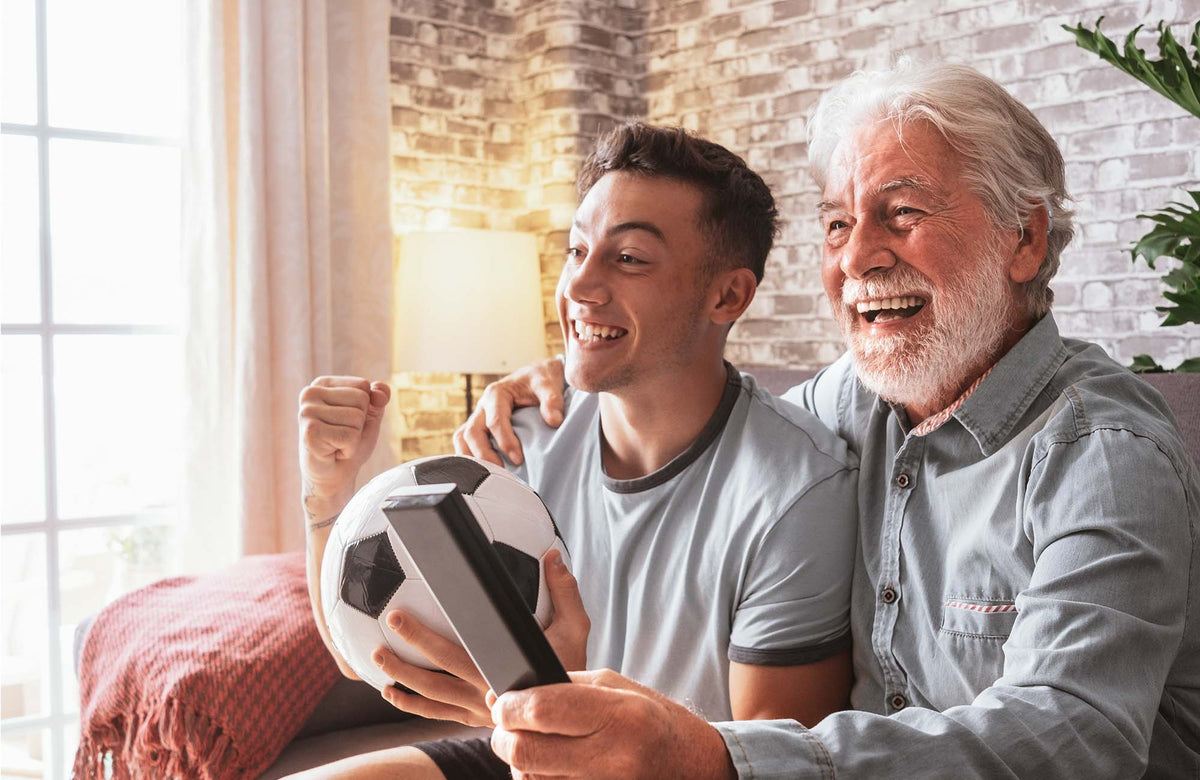
The TV is loud enough. The music, explosions, and background sound fill the room. But the words still slide past you, especially when actors speak softly or turn away from the camera. Someone else on the sofa says the volume is already too high, so you turn on captions and pretend that was the plan.

That is the moment many people start searching for the best otc hearing aids for watching tv. But the right answer depends on what is actually failing. Sometimes the TV speakers are poor. Sometimes the room is echoey. Sometimes the problem is high-frequency speech clarity. And sometimes TV trouble is the first obvious sign that everyday listening is becoming harder.
Before comparing models, it helps to slow down and look at the room, the TV, and your everyday listening habits. The fix might be a soundbar, a different TV setting, OTC hearing aids, a hearing check, or a mix of a few small changes.
Start With the Real Problem: Volume or Speech Clarity?
Start with a simple test: does everyone in the room think the dialogue is muddy, or mostly you?
If everyone complains, the issue may be the TV's speakers, sound mode, room layout, or streaming quality. Flat-screen TVs often push sound downward or backward, and dialogue can get buried under music. In that case, a soundbar, speech mode, or better speaker placement may help before hearing aids enter the conversation.
If other people hear the words clearly but you miss them, pay attention. That does not automatically mean you need hearing aids, but it does mean the problem may be less about the TV and more about speech clarity. High-frequency hearing difficulty often shows up this way: you hear that someone is talking, but consonants blur.
Ask yourself whether the same pattern appears outside TV. Do you miss soft voices from another room? Do you ask people to repeat in stores? Do phone calls feel thinner than they used to? If yes, TV is probably one scene in a bigger listening pattern.
When OTC Hearing Aids May Help TV Watching
OTC hearing aids may help when TV difficulty fits perceived mild-to-moderate hearing difficulty in daily life.
The FDA explains that OTC hearing aids are intended for adults 18 and older with perceived mild-to-moderate hearing loss. That boundary matters. OTC is not meant for sudden hearing loss, severe loss, strong one-sided symptoms, pain, drainage, or dizziness.
For the right buyer, though, OTC hearing aids can make sense because they are easier to try and usually cost less than prescription options. They may help with TV dialogue, but the bigger value is whether they also help with family conversation, errands, and phone calls.
If your only issue is one old TV in one room, start with the TV. If your issue follows you into daily speech, compare OTC hearing aids more seriously.
Bluetooth Streaming Helps Some TV Setups, But It Is Not the Whole Answer
Bluetooth can make TV listening easier when sound is sent more directly, but the setup matters.
Some people imagine Bluetooth hearing aids as a universal TV fix. Real life is messier. Compatibility depends on your TV, phone, streaming accessory, hearing aid, app, and the way you watch. Direct streaming can be helpful when you watch alone, want private sound, or need less room noise. It may feel less natural when watching with family because you are hearing streamed audio while still sharing the room.
Before buying mainly for Bluetooth, check whether your device ecosystem supports what you expect. Yeasound's Device Compatibility Guide is useful when phone connection, app control, or streaming features are part of the decision.
What Features Matter Most for TV Dialogue
For TV, useful hearing aid features are the ones that reduce effort without making sound harsh.
Look for speech clarity support, easy volume control, comfortable fit for long evening wear, app-based adjustments, stable battery life, and manageable background sound. A long spec list means little if the device makes dialogue sharp but tiring after one episode.
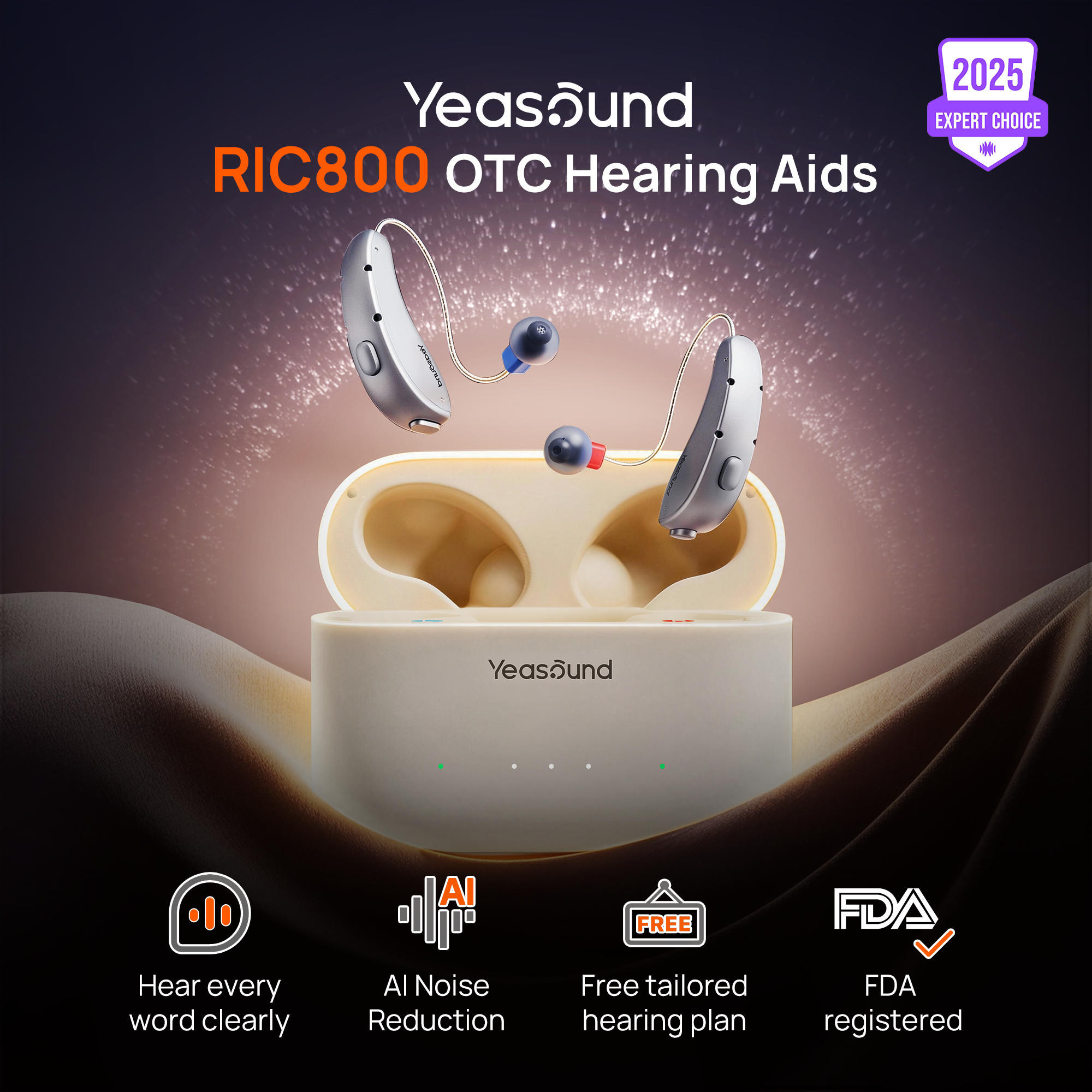
Yeasound RIC800 may be worth considering if your TV difficulty is part of perceived mild-to-moderate daily hearing trouble. It supports app control through the iYeasound App, AI noise reduction, auto speech focus, rechargeable use, and Bluetooth audio support for iOS and Android. Treat those features as trial factors, not a promise that every TV setup will behave the same.
Compare TV Fixes Before You Spend More
|
Your situation |
First step to try |
When OTC hearing aids make more sense |
|---|---|---|
|
Everyone says the TV dialogue is muddy |
Try speech mode, speaker settings, or a soundbar |
If you also miss speech outside TV |
|
Family says your TV volume is too loud |
Lower volume and try captions or personal listening |
If louder speech is needed in daily life |
|
Effects are loud but words are unclear |
Test speech settings and seating distance |
If consonants and soft voices are often unclear |
|
You watch alone at night |
Private listening or Bluetooth may help |
If phone calls and conversations are also harder |
|
Hearing changed suddenly or one ear is worse |
Get professional care |
Do not start with OTC |
The table is not a diagnosis. It is a way to avoid buying the wrong solution for the wrong problem.
A 30-Day TV Listening Test Before You Decide
If you try OTC hearing aids, test them like a real household tool.
Use different shows: news, movies, sports, quiet dramas, and programs with background music. Try captions on and off. Sit in your usual chair. Watch alone and with family. Track three things: how clearly you understand dialogue, whether the volume feels comfortable for others, and whether you feel tired after watching.
Also test outside TV. A device that only helps one show but does not help conversation may not be the right match. A device that improves TV, family talk, and phone clarity gives you stronger evidence.
When TV Trouble Means You Should Get a Hearing Test
TV trouble can be an early clue, but some patterns need professional care first.
Get a hearing evaluation if hearing changed suddenly, one ear is much worse, you have dizziness, ear pain, drainage, pressure, or severe difficulty. You should also consider testing if speech still feels unclear even when sound is loud.
OTC can be a practical route for perceived mild-to-moderate difficulty. It should not replace medical interpretation when symptoms are unusual.
FAQ
Can OTC hearing aids help me hear TV better?
They may help if TV trouble is part of broader perceived mild-to-moderate hearing difficulty. If only one TV sounds bad to everyone, try TV audio settings or speakers first.
Are Bluetooth hearing aids better for watching TV?
Sometimes. Bluetooth can send sound more directly, but compatibility and setup matter. It is useful for some private listening situations, not a universal fix.
Should I buy a soundbar or hearing aids first?
If everyone struggles with the TV, start with the TV setup. If only you miss dialogue and other speech situations are harder too, hearing support may be worth testing.
What feature matters most for TV dialogue?
Speech clarity matters most, followed by comfort, easy adjustment, and battery life. The device should make dialogue easier without making sound sharp or tiring.
When should TV trouble be checked professionally?
Sudden change, one-sided symptoms, dizziness, pain, drainage, or severe difficulty should be checked before buying OTC hearing aids.



Share:
Stay Updated
Get the latest hearing tips & news delivered to your inbox.