



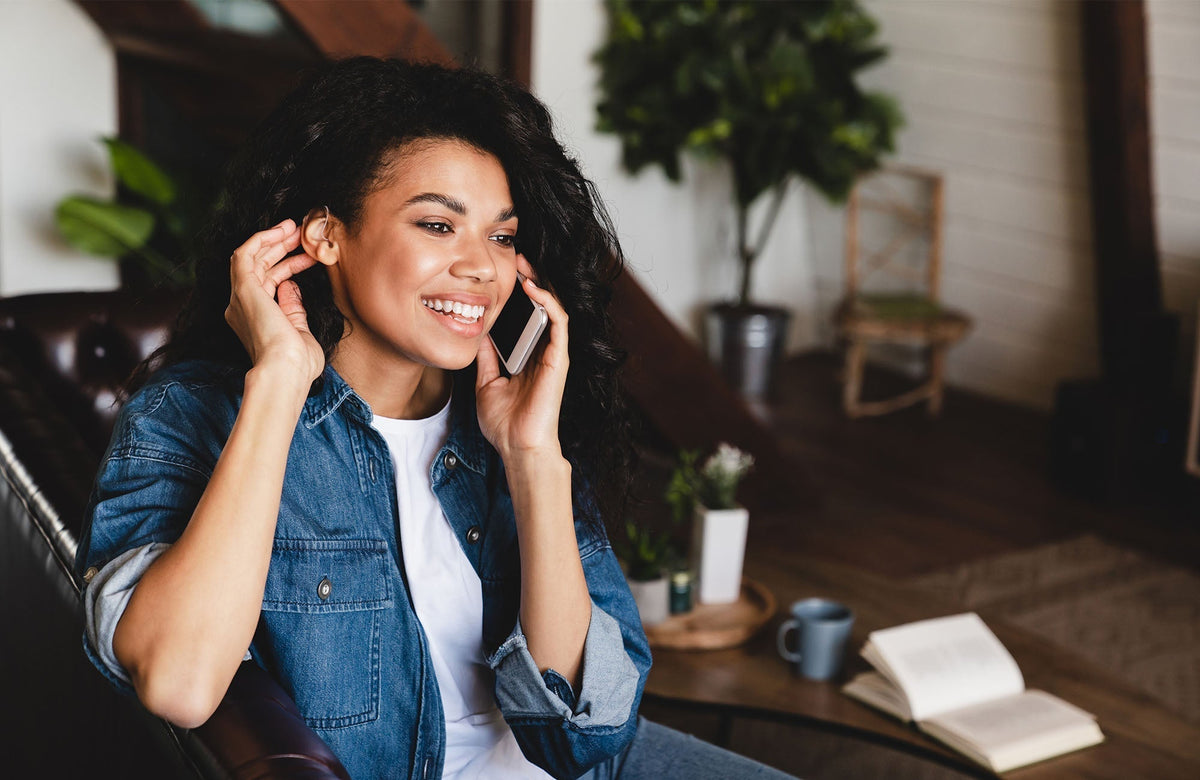
Phone calls are unforgiving. You lose the face, the room, the hand gesture, and the chance to read a mouth shape. All you get is a voice coming through a tiny speaker or a Bluetooth connection that may or may not behave. If you are looking for the best hearing aids for phone calls, the first thing to know is that call clarity depends on both the hearing aids and the phone.

This article treats phone calls like a small system: caller, phone, hearing aids, connection, room noise, and your own hearing pattern. A device can be excellent in person and still feel awkward on calls if the setup is wrong.
Decide What Kind of Call Problem You Have
Not every phone problem points to the same fix.
If only one person sounds bad, their microphone or signal may be the issue. If every call is hard through one phone, the phone speaker may be weak. If calls are hard across several phones and callers, hearing support may be more relevant.
Pay attention to what you miss. Names and numbers? Soft voices? Fast speech? Accents? Voices in noise? Those details matter. A person who mainly misses appointment times needs a different test than someone who cannot follow long family calls.
Compatibility Comes Before Convenience
Bluetooth is useful only when the phone and hearing aids cooperate.
The FCC explains hearing aid compatibility requirements for wireless phones and notes compatibility ratings for acoustic and inductive coupling: FCC Hearing Aid-Compatible Mobile Handsets. For modern Bluetooth hearing aids, you also need to check device-specific streaming and iYeasound app support, not just general phone compatibility.
Yeasound's Device Compatibility Guide should be checked before buying if phone calls are a major reason for the purchase. A feature that works on one phone may not work the same way on another.
Test Calls the Way They Actually Happen

A good phone-call test should include imperfect calls.
Call someone familiar. Ask them to read names, dates, and numbers at a normal pace. Try a second call with light background noise. Test a work call if you take them. Test speakerphone, direct phone audio, and Bluetooth routing if available.
|
Call test |
What it shows |
|---|---|
|
Familiar voice |
Baseline clarity |
|
Numbers and dates |
Detail accuracy |
|
Background noise |
Real-world call strain |
|
Work call |
Professional listening demands |
|
Bluetooth reconnect |
Daily reliability |
Do not judge from one lucky call. Phone performance changes with caller microphones, signal strength, phone settings, and your environment.
Features That Help Phone Speech
The best hearing aids for phone calls make voices easier without making setup complicated.
Look for stable fit, clear speech processing, predictable call routing, app controls, Bluetooth support when needed, and enough battery life for your day. Microphone behavior matters too. Some setups use the phone microphone, while others use hearing aid microphones or a combination. The difference affects how the other person hears you.
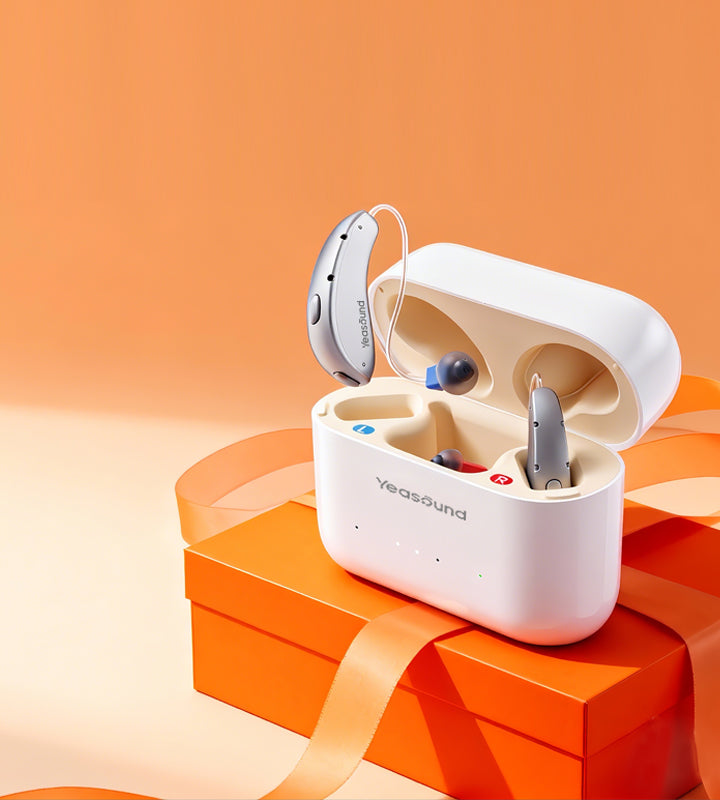
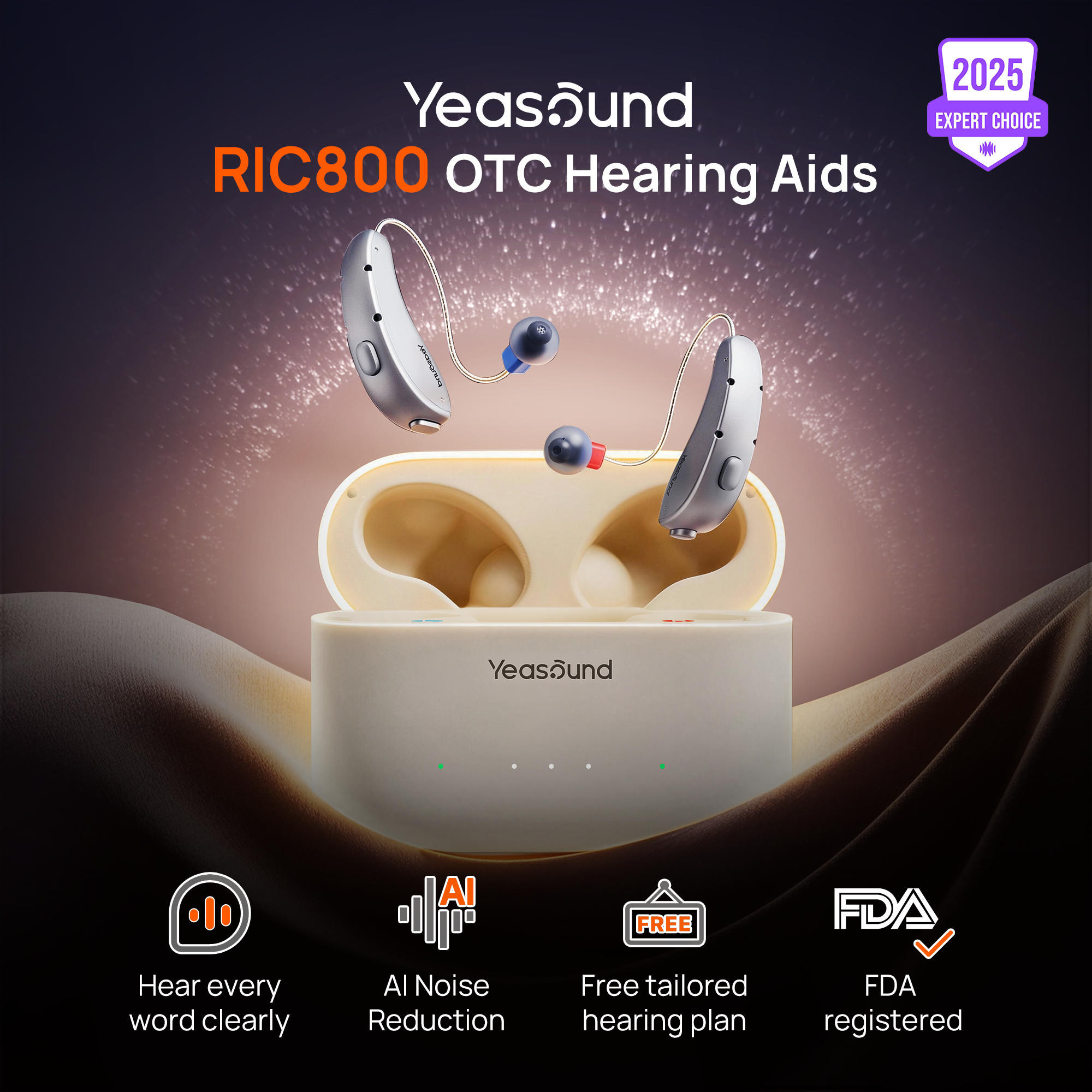
Yeasound RIC800 may be worth considering if phone calls are one part of broader perceived mild-to-moderate daily hearing difficulty. Its Bluetooth audio support, app controls, rechargeable design, AI noise reduction, and auto speech focus are trial factors. Test them with your own phone and your own callers, and keep the RIC800 setup guide nearby for pairing and daily-use checks.
When Phone Trouble Points Beyond the Phone
Phone calls can reveal a wider speech-clarity problem.
If you also struggle with TV dialogue, soft voices, meetings, or restaurant conversations, do not treat phone calls as an isolated tech problem. The phone may simply be the place where missing context hurts most.
If hearing changed suddenly, one ear is much worse, or speech sounds distorted even when loud, get professional input before buying. A phone-call problem with red flags is not just a phone-call problem.
FAQ
Are Bluetooth hearing aids best for phone calls?
They can be helpful, but only if your phone and hearing aids are compatible and call routing works reliably. Bluetooth is not automatically better for every user.
Why are phone calls harder than in-person conversations?
Phone calls remove visual cues and depend on speaker quality, signal, caller microphone, and your hearing pattern. That makes missed details more common.
What should I test before buying?
Test familiar voices, numbers, dates, background noise, call routing, Bluetooth reconnecting, and battery use during a normal day.
Can hearing aids help with mobile phone calls?
They may help when call difficulty is part of broader speech-clarity trouble. The exact result depends on fit, sound processing, compatibility, and phone behavior.
When should I see a professional?
Seek professional evaluation for sudden change, one-sided difficulty, severe trouble, dizziness, pain, pressure, or drainage.



Share:
Stay Updated
Get the latest hearing tips & news delivered to your inbox.