



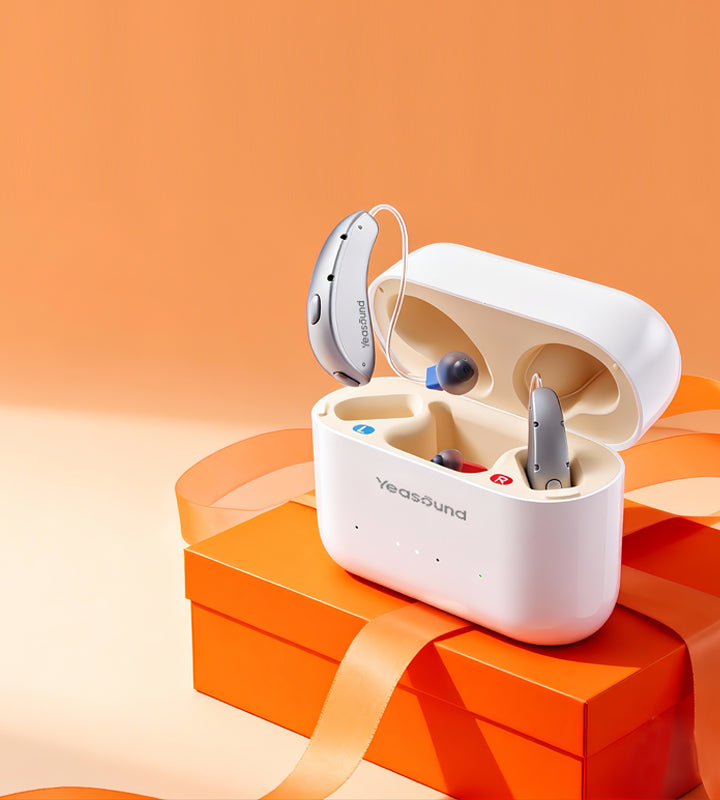

The trail is quiet until the wind reaches an open ridge. Suddenly you can hear your jacket, your own footsteps, and a low rush across the microphones, but not the person walking two feet away. That is the real test behind the best hearing aids for outdoor activities. Outdoor performance is not just louder sound. It is the ability to manage wind, moisture, movement, distance, and safety cues without turning the landscape into noise. Yeasound's sound technology overview is a useful place to understand the processing terms before comparing devices.[1] [VG2]
Start with the places you actually go. The sound on a tree-lined sidewalk bears little resemblance to what you hear on a golf course or over lunch on a busy patio. Even two trails can feel different once the trees give way to an exposed ridge. A model advertised for "outdoor use" may handle light rain well but still produce distracting wind rumble. Another may reduce wind effectively yet feel insecure under a cap. Product fit begins with the route, not the label.

Why Outdoor Speech Can Fall Apart So Quickly
Indoors, walls reflect some sound back toward the listener. Outside, voices lose energy with distance and there may be little reflection to help. The speaker also turns their head to watch the path, which sends less speech toward you. Add traffic, birds, equipment, or a group spread across several yards, and the hearing aid has a more difficult task.
Turning up volume can make every part of that scene stronger. It may raise the voice, but it also raises footfall, clothing noise, and broad environmental sound. The better approach is to find a comfortable baseline and test whether directional microphones, wind reduction, and an outdoor program improve the relationship between speech and noise.
Test Wind From Three Directions
Wind noise is created when moving air becomes turbulent around the microphone ports. It can sound like rumbling, buffeting, or repeated thumps. Because microphone position and processing differ, two hearing aids with similar specifications may not feel the same on the same walk.
Choose a breezy but safe location and run three short comparisons. Walk into the wind while a partner speaks. Turn so the wind comes from the side, then stand with a building or hedge providing shelter. Ask your partner not to move closer or suddenly speak louder, since that makes the comparison meaningless. You are listening for a practical improvement: less rumble, with a voice that still sounds like the person beside you.
When an Outdoor program is available, switch it on before you reach the windiest part and listen for a minute. The iYeasound app can be used for program and sound adjustments, but it should not demand constant phone handling. Set the program before a hike or patio meal and see whether you can leave it alone.
Moisture Resistance Is Not A Care Plan
A sweaty afternoon, coastal humidity, a passing shower, and dropping a device in water are four different mishaps. IPX8 protection is reassuring, but it does not make the small openings and replaceable parts maintenance-free. A damp device should stay out of the charger. Wipe the outside, look closely at the sound openings, and allow it to dry in the way the manual recommends.
A device can look dry and still carry a faint film of salt or skin oil from sweat. Dust from a trail or garden can collect around the dome. After an outdoor day, check whether sound has changed before assuming the electronics have failed. A blocked wax guard or damp microphone can create weak or muffled sound. Keeping replacement filters and a brush in a hearing-aid care kit is more useful than treating water resistance as permission to forget maintenance.
Fit Matters When Your Head Keeps Moving
Try the movements that usually dislodge something: look over your shoulder, bend to pick up a bottle, shoulder a backpack, and take off your sunglasses. The hearing aid should not creep out while you do it. For RIC devices, receiver length and dome size affect stability. A wire that is too short may pull; one that is too long may bow outward and catch on clothing.
Test every item that shares space near the ear. Use your own hat, glasses, helmet, or hearing protection, then take each one off in the order you normally would. A small behind-the-ear body may be comfortable with ordinary glasses but crowded by thick sport temples. A CIC style leaves that space open, though it can be more difficult to handle with cold or damp fingers.
Do not solve a fit problem by pushing the dome deeper than intended. Pain, pressure, or persistent irritation is a reason to stop and check fit. If the device repeatedly works loose, ask support about dome or receiver options rather than accepting the problem as normal.
Keep The Sounds That Protect You
Outdoor hearing is partly about speech and partly about knowing what is happening around you. A bike bell behind you matters. So does a car at a crossing, a partner calling from the side, or an announcement on an open platform. A program is not successful merely because it makes the scene quieter.
Start with modest noise control and increase it only when the scene remains understandable. On a trail, test whether you can locate your partner's voice and notice a bike bell. Near traffic, keep visual checks and ordinary safety habits; hearing aids do not replace attention. If hearing is much worse in one ear, sound location can remain difficult even with amplification and deserves professional evaluation.
When A Yeasound Option Fits The Route
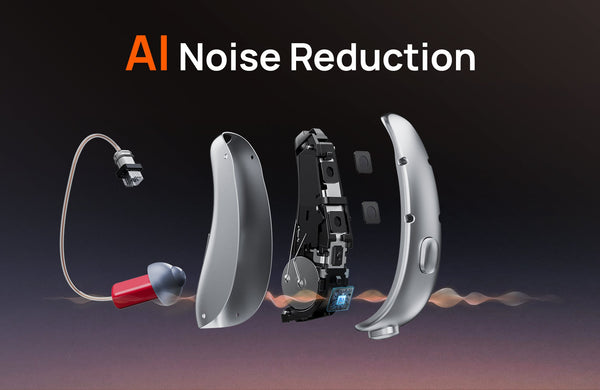
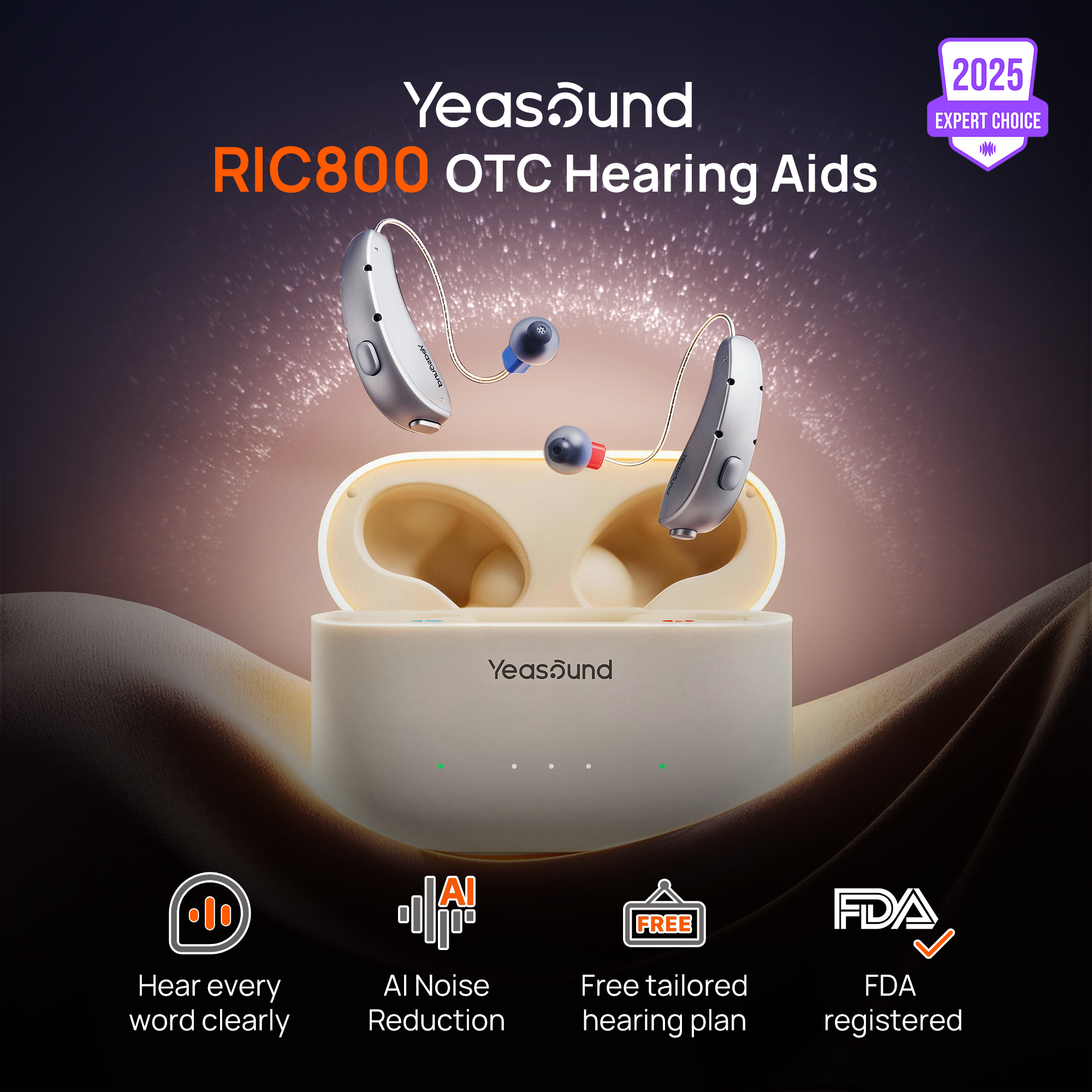
For someone whose outdoor problem combines wind, changing background noise, and long days, Yeasound RIC800 is worth comparing because wind-noise reduction, sudden-noise reduction, automatic speech focus, an Outdoor program, IPX8 protection, and up to 31 hours of use address specific parts of that route. It is still a RIC device, so hat, glasses, and receiver-wire fit should be tested rather than assumed.
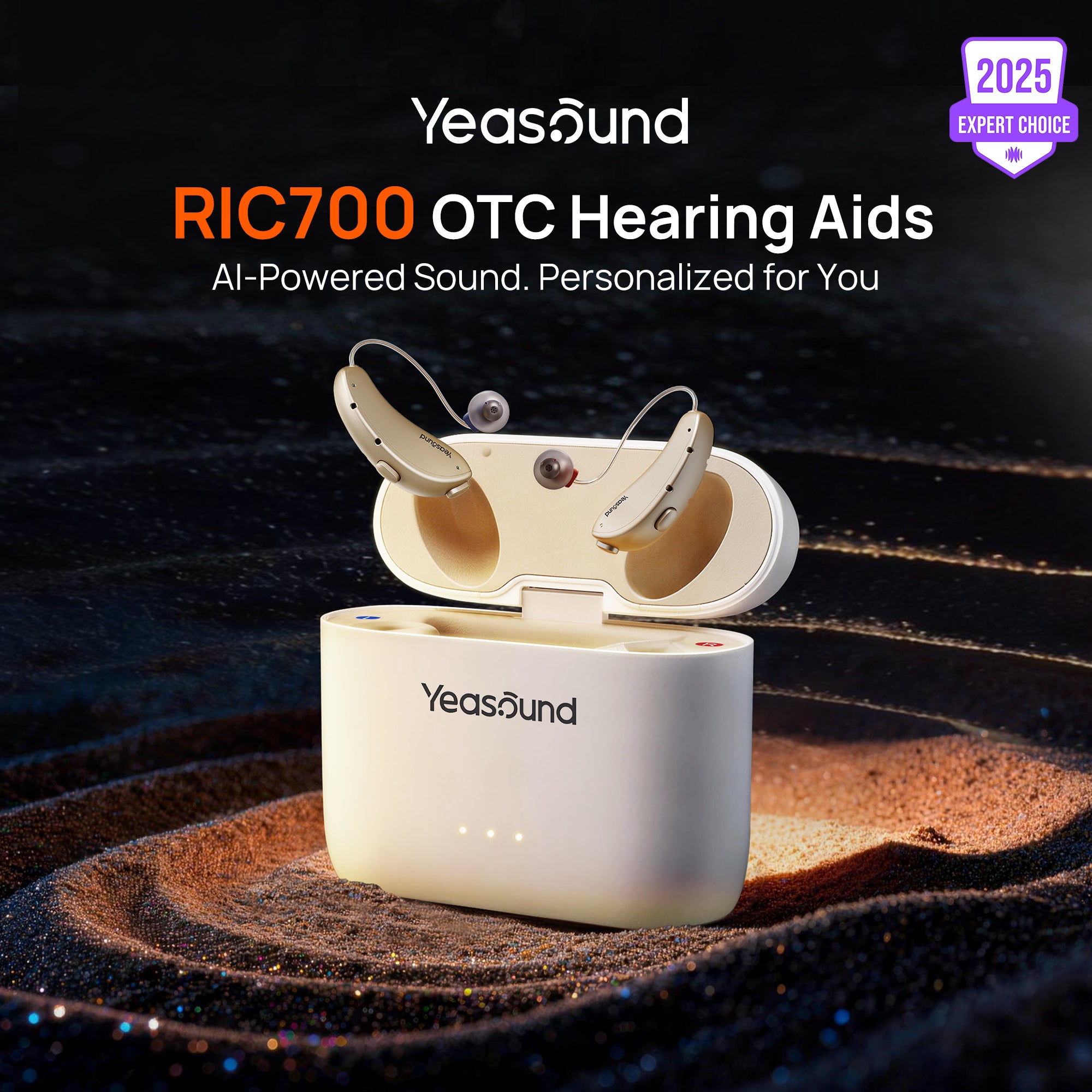
An iPhone user planning multi-day trips may also compare Yeasound RIC700 Plus. It has IPX8 protection, a 31-hour single charge, and a charging case designed for many recharges, but its Bluetooth audio streaming is for iOS rather than Android. That distinction matters if navigation prompts, calls, or audio guides are part of the outing.
Pack For The Problem You Can Actually Fix
A useful outdoor kit is small: protective case, dry microfiber cloth, cleaning brush, spare wax guards, portable charger if needed, and written support information. For a full-day trip, add backup domes and the charging cable. I would keep everything in one familiar bag pocket; otherwise the emergency kit tends to become the thing nobody can find.[3] [VG4]
Before leaving, charge fully and confirm the correct program. After returning, wipe, inspect, and charge only when dry. If sound changes, compare left and right devices, look for visible blockage, and use the Yeasound Support Center if cleaning and restart steps do not help.
The best outdoor hearing aid does not make nature disappear. It makes a companion easier to follow while rain, wind, footsteps, and warning sounds remain understandable. That balance is worth testing on the route you know best.

Match The Setting To The Microphone Strategy
Outdoor use changes within minutes. On an open path, wind control may be the priority. At a patio table, the useful voice may be in front while traffic sits behind. During golf or gardening, a companion may speak from the side. Try the same program in all three situations before deciding it is an "outdoor" solution.
If a setting works only when the speaker stands in one narrow position, learn when to switch programs rather than leaving aggressive directionality on all day. The point is not to automate every sound. It is to make the common route predictable enough that one or two settings cover it.
FAQ
Can I wear hearing aids while hiking?
Yes, many people use hearing aids on walks and hikes when the fit is secure and the devices are cared for afterward. Test wind, sweat, hats, and backpack straps on a short route before a long trip. Carry a protective case so you can store the devices safely if weather becomes severe.
Are waterproof hearing aids safe in heavy rain?
Water resistance reduces risk but does not make every situation harmless. Follow the product's IP guidance, keep the charger dry, and avoid charging damp devices. In sustained heavy rain, protecting or storing the hearing aids may be safer than relying on the rating alone.
What feature helps most with wind noise?
Dedicated wind-noise reduction can identify and reduce microphone turbulence more effectively than a general volume change. Microphone placement and physical fit also influence the result. Compare the same voice in headwind, crosswind, and shelter before deciding whether the feature works for you.
Can I wear hearing aids under a cycling helmet?
It depends on the helmet, straps, device style, and microphone position. Check for pressure, rubbing, feedback, and safe removal before riding. A hearing professional or product support team can help if the fit interferes with proper helmet use.
How should I clean hearing aids after outdoor use?
Wipe the exterior with a dry, approved cloth and inspect domes, wax guards, microphones, and charging contacts. Use the supplied brush or replacement parts according to the manual. Do not use household cleaners or place wet devices into the charging case.


Share:
Stay Updated
Get the latest hearing tips & news delivered to your inbox.