



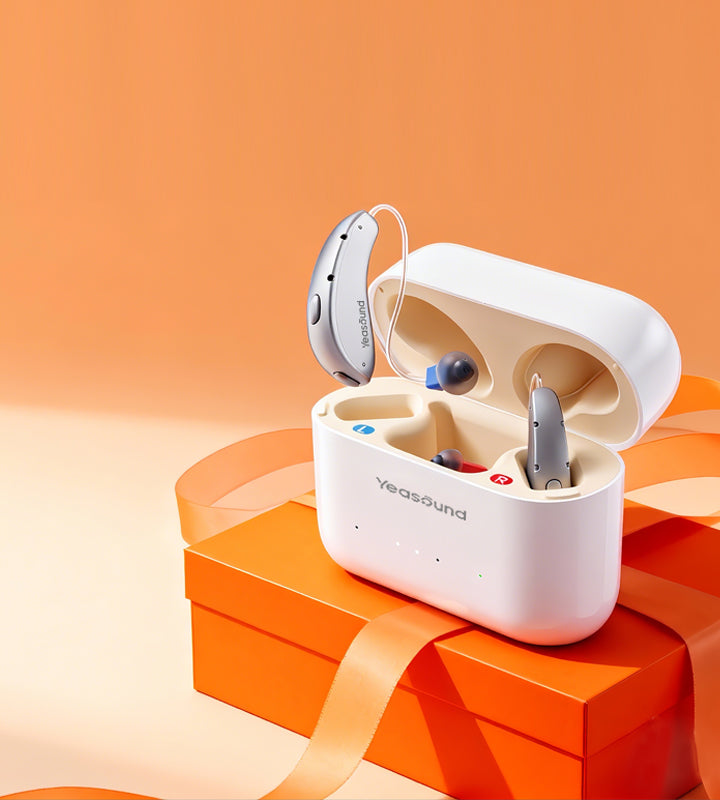

The question are otc hearing aids good enough usually comes from someone who is suspicious in a reasonable way. Maybe prescription hearing aids seem too expensive. Maybe OTC devices seem too easy to buy. Maybe both things are true at the same time. The useful answer is not a slogan. OTC hearing aids can be enough for the right hearing pattern, and not enough for the wrong one.

Think of OTC as a first route for everyday speech trouble, not a shortcut around every hearing problem. The difference matters.
Enough for What?
Before judging OTC hearing aids, define the job.
If the job is hearing a spouse at breakfast, lowering the TV volume, following one-on-one conversation, or managing a normal phone call, a well-chosen OTC device may be enough. If the job is severe hearing loss, sudden change, strong one-sided difficulty, complicated medical symptoms, or a demanding acoustic workplace, OTC may not be the safest starting point.
The word "enough" should mean enough improvement to make daily life easier, not perfect hearing. Hearing aids do not erase every bad room, every fast talker, or every noisy meal.
Where OTC Often Makes Sense
OTC hearing aids are most promising when the pattern is gradual and familiar.
You notice captions are on more often. You miss soft voices from another room. You ask for repeats in stores. Restaurants are harder than they used to be, but quiet conversation is still manageable. These are the kinds of everyday situations where OTC hearing aids may be worth testing.

The American Academy of Audiology notes that OTC hearing aids are user-adjustable and must allow the user to control volume and frequency response in some way: AAA OTC Hearing Aid FAQs. That user-adjustable design is helpful for access, but it also means you need patience with setup and trial.
Where OTC May Fall Short
OTC may not be enough when the problem needs interpretation, not just amplification.
If one ear suddenly feels different, sound is distorted, hearing changes quickly, or you have pain, dizziness, drainage, or pressure, professional care should come first. OTC also may fall short if you need custom fitting, complex programming, ear-mold solutions, or detailed follow-up.
There is also a lifestyle version of "not enough." If you work in a noisy job, lead meetings all day, or depend on precise hearing for safety, you may need more support than a self-guided purchase provides.
How to Run a Fair OTC Trial
A fair trial is specific, boring, and honest.
Do not try hearing aids for one afternoon and decide. Wear them in the same situations that caused the search: TV, family talk, a store counter, a phone call, a quiet walk, and one noisy place. Note when they help, when they annoy you, and when you stop wearing them.
|
Trial question |
What a useful answer looks like |
|---|---|
|
Is speech clearer? |
You miss fewer words, not just louder sound |
|
Is the fit tolerable? |
You can wear them for several hours |
|
Are controls manageable? |
You can adjust without frustration |
|
Is noise easier? |
You feel less tired, even if noise remains |
|
Is support available? |
You know where to get help |
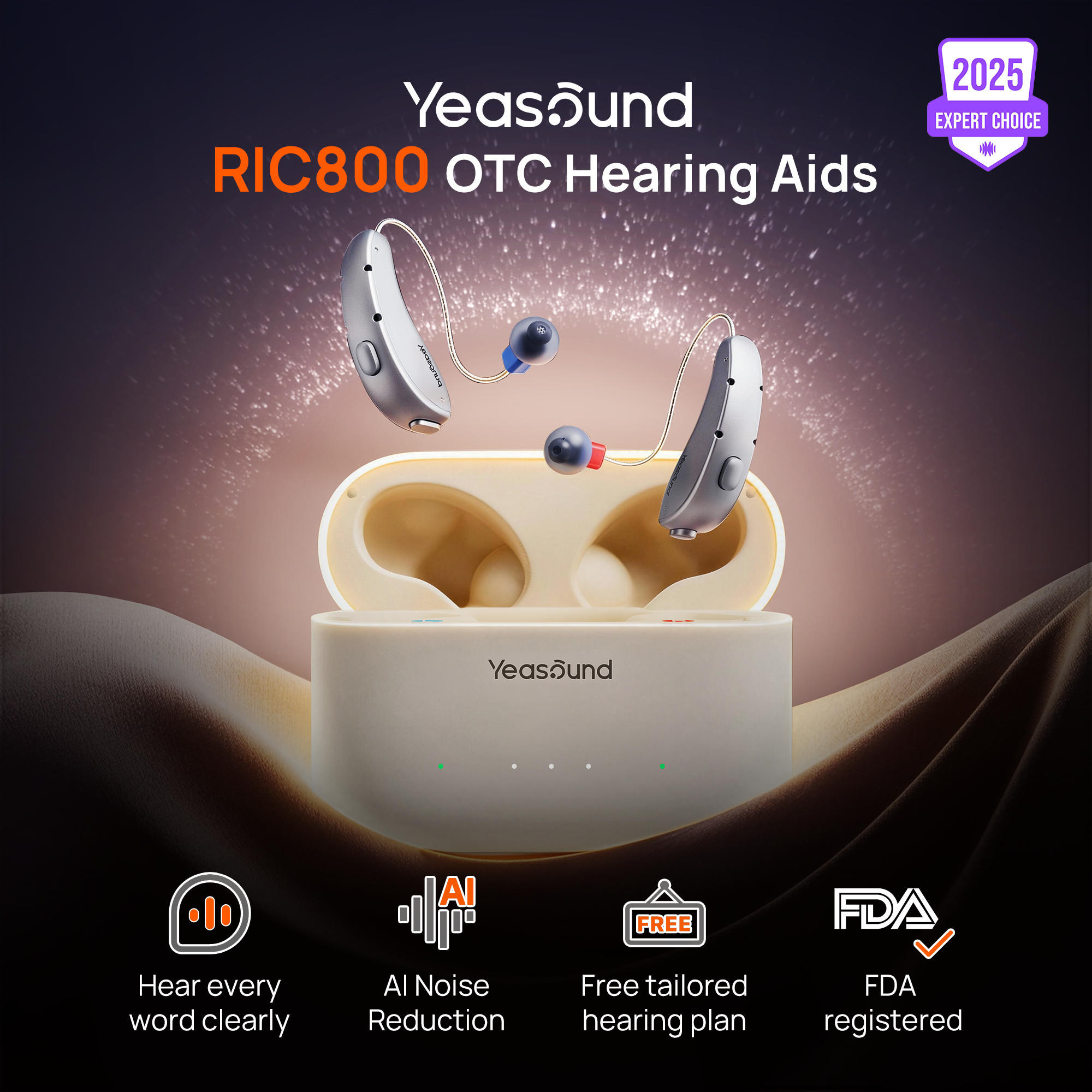
Yeasound RIC800 can be tested in this kind of framework if your needs fit perceived mild-to-moderate daily hearing difficulty. Treat its app control, AI noise reduction, auto speech focus, rechargeable design, and return window as trial factors rather than automatic proof.
The Real Choice Is Support Level
OTC versus prescription is often a question of how much help you need.
OTC gives more control to the buyer. Prescription care gives more interpretation and follow-up. Neither path is morally better. The right path depends on your symptoms, budget, patience, and how much uncertainty you can manage.
If you like comparing options, can follow setup steps, and have a clear mild-to-moderate pattern, OTC may be a practical first route. If you feel confused, overwhelmed, or medically unsure, the service layer of professional care may be worth paying for.
FAQ
Are OTC hearing aids good enough for mild hearing loss?
They can be, especially when the problem is gradual and mostly affects everyday speech. A real trial is the best way to judge.
Are OTC hearing aids as good as prescription hearing aids?
They may be enough for simpler mild-to-moderate needs, but prescription care offers testing, fitting, programming, and follow-up for more complex situations.
What is the biggest risk of OTC hearing aids?
The biggest risk is treating the wrong problem as a shopping decision, especially when symptoms are sudden, one-sided, severe, painful, or medically unclear.
How long should I test before deciding?
Try for about 30 days when possible. Include TV, quiet conversation, phone calls, errands, and a noisy place.
When should I stop testing and see a professional?
Stop if sound remains distorted, one ear is much worse, symptoms change quickly, or you have dizziness, pain, drainage, pressure, or severe difficulty.



Share:
Stay Updated
Get the latest hearing tips & news delivered to your inbox.