



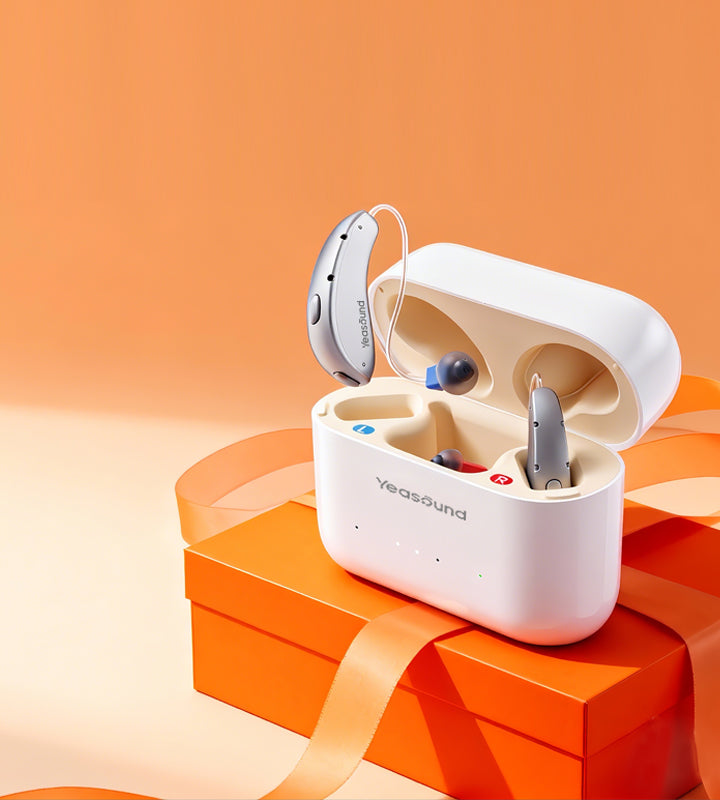
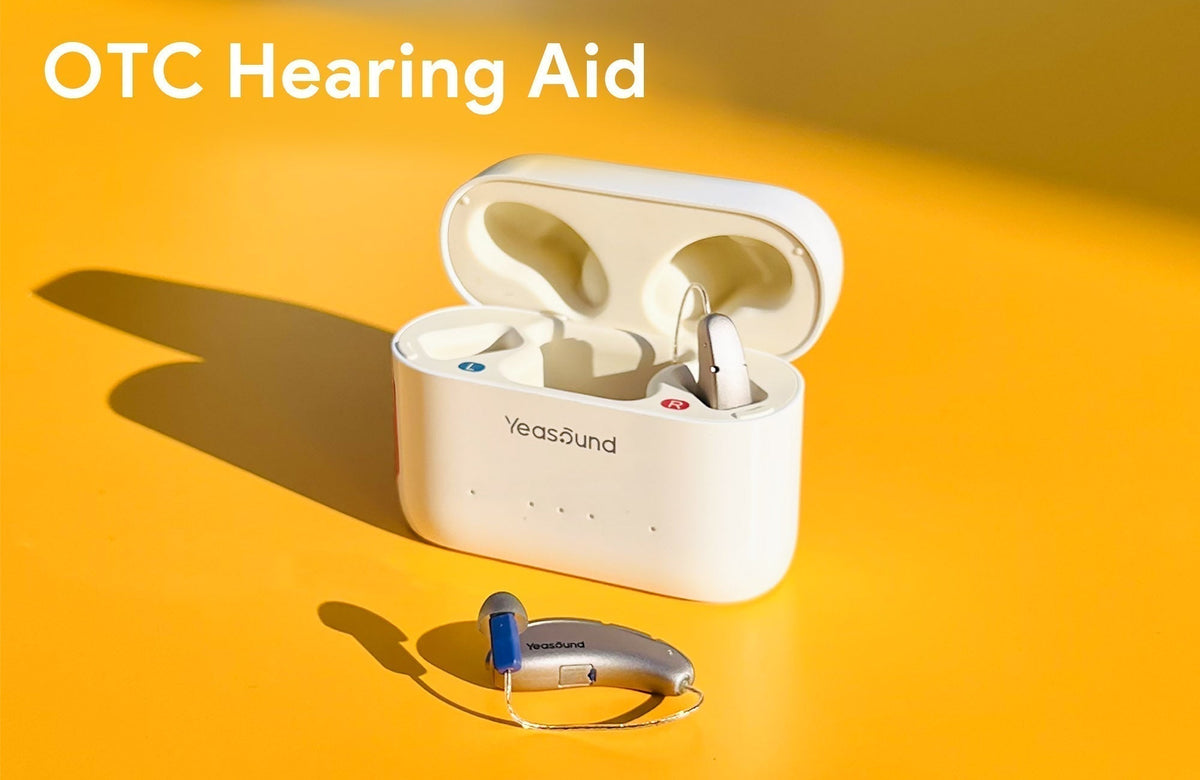
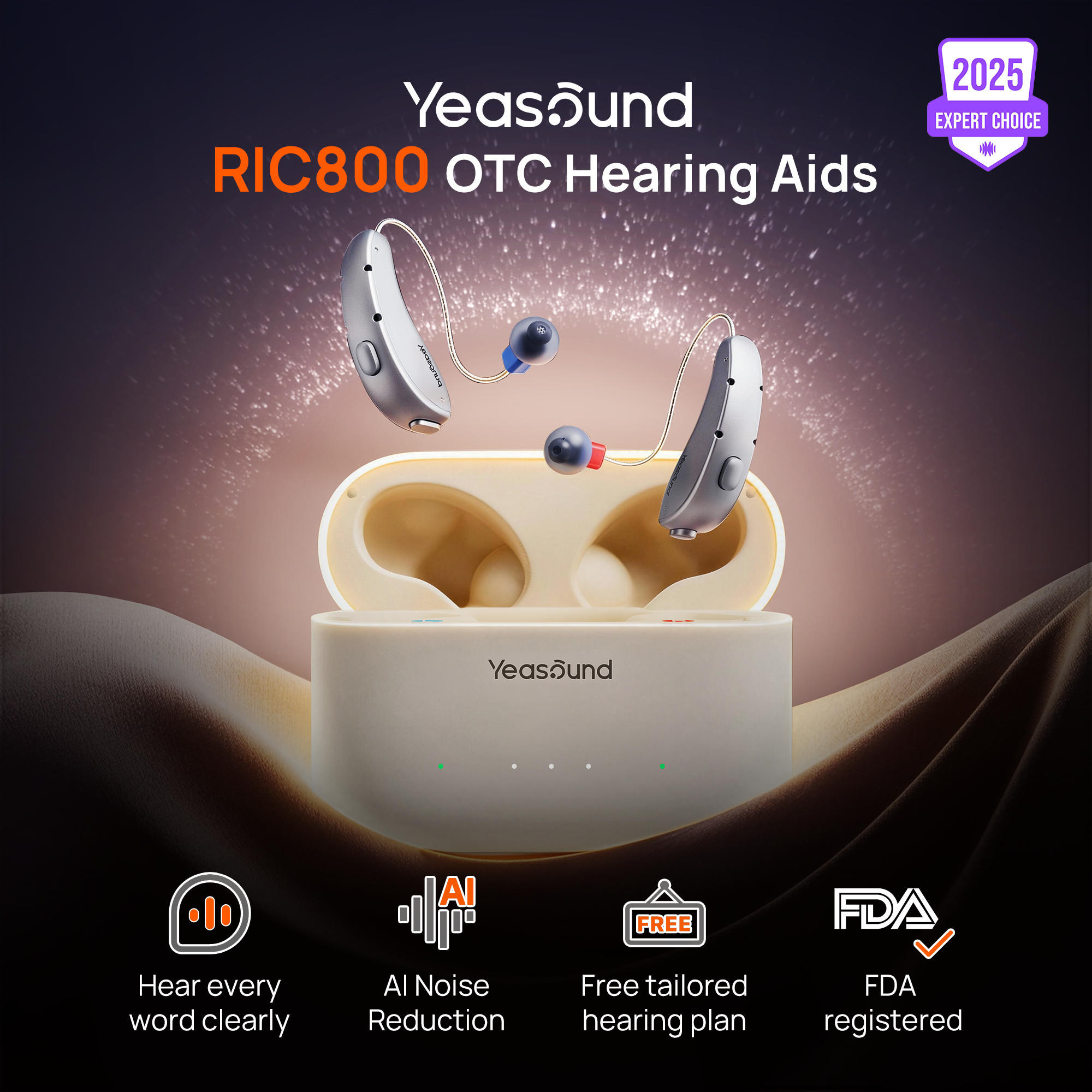
To expand access to hearing care, the U.S. Food and Drug Administration (FDA) created a new category of over-the-counter (OTC) hearing aids. Adults can now purchase hearing aids directly in stores or online—without seeing a doctor first or getting a hearing test from a licensed hearing professional.
The new OTC rules implement a law passed by Congress to stimulate competition, reduce costs, and give consumers access to devices that better meet their needs at more affordable prices.

Who OTC Hearing Aids Are For
According to the FDA's final rule, OTC hearing aids are intended for:
People with mild hearing loss may hear some speech but miss others. Those with moderate loss may struggle to understand speech even in quiet settings with someone speaking at a normal level.
Signs You May Have Mild to Moderate Hearing Loss
You may be experiencing mild to moderate hearing difficulties if you:
- Have trouble understanding speech in noisy environments
- Struggle to follow group conversations
- Find phone conversations difficult
- Feel tired after listening to speech or music for long periods
- Turn up the TV or radio volume while others say it's too loud
If these situations are becoming more frequent, an OTC hearing aid could be a good first step.
4 Things You Should Know Before Buying OTC Hearing Aids
1. Who Can Buy Them
Adults 18+ who believe they have mild to moderate hearing loss can purchase OTC hearing aids without consulting an ENT doctor or licensed audiologist.
Consulting a professional is optional but not required.
2. Where You Can Buy Them
OTC hearing aids are sold through multiple channels, including:
For many users, the convenience and flexibility of OTC options are a major benefit.
3. How to Identify FDA-Approved OTC Hearing Aids
FDA regulations require OTC hearing aid packaging to include specific information, such as:
- A clear "OTC Hearing Aids" label
- Hearing health warnings
- Usage guidance and conditions
- Manufacturer and device information
These labels help consumers verify legitimacy and determine suitability.
4. Expect an Adjustment Period
Hearing aids are not a plug-and-play device that instantly restores hearing. Your brain needs time to adjust to amplified sound and relearn how to process speech.
For best results, users should:
- Wear hearing aids consistently
- Gradually increase daily usage time
- Practice in different listening environments (quiet rooms, conversations, outdoors, etc.)
With regular use, most people experience improved clarity, comfort, and listening ease within weeks.
What OTC Hearing Aids Mean for Consumers
The launch of OTC hearing aids marks a major shift in the hearing care industry toward more consumer-friendly access:
- More transparent pricing
- More modern and diverse product designs
- Greater innovation across brands
- Lower barriers to adoption
- Broader awareness of hearing health
For millions of adults with untreated mild to moderate hearing loss, OTC hearing aids provide the first opportunity to try hearing support quickly, conveniently, and affordably.



Share:
Stay Updated
Get the latest hearing tips & news delivered to your inbox.