



Understanding Different Levels of Hearing Loss
Many people delay getting hearing aids because they think their hearing loss isn't "bad enough."
The truth is, hearing loss isn't all-or-nothing. It develops in stages — and the best time to act is often earlier than you expect.

👂 What Are the Different Levels of Hearing Loss?
Hearing loss is usually grouped into four levels based on hearing tests and real-life listening ability.
In addition to the levels of hearing loss, there are also different types of hearing loss. For detailed information, please refer to:Understanding Hearing Loss
🟢 Mild Hearing Loss
You may notice:
Trouble hearing soft speech
Difficulty understanding conversations in noise
People seem to mumble
💡 This is often when hearing aids help the most.
🟡 Moderate Hearing Loss
You may notice:
Frequent "Can you repeat that?"
Higher TV or phone volume
Group conversations feel tiring
🔊 Hearing aids are strongly recommended at this stage.
🟠 Severe Hearing Loss
You may notice:
Difficulty understanding speech even in quiet
Missed doorbells or alarms
Social withdrawal
🧠 Professional hearing care and advanced hearing aids are usually needed.
🔴 Profound Hearing Loss
You may notice:
Speech is hard to understand without visual cues
Very loud sounds may still feel unclear
🩺 Specialized medical or audiological solutions are required.
🤔 So... When Do You Actually Need a Hearing Aid?
You may benefit from hearing aids if you:
Struggle to understand speech more than volume
Avoid noisy environments
Feel tired after conversations
Rely on subtitles or lip reading
Ask others to repeat themselves often
👉 You don't need to "wait until it's severe."
🧠 Why Acting Early Makes a Big Difference
Early hearing support can:
Reduce listening effort and fatigue
Preserve speech understanding
Keep your brain engaged with sound
Improve confidence in daily conversations
Waiting too long can make adaptation harder later.
Studies have proven that there is a certain relationship between hearing loss and dementia. For more information, please refer to:Link Between Hearing Loss and Dementia
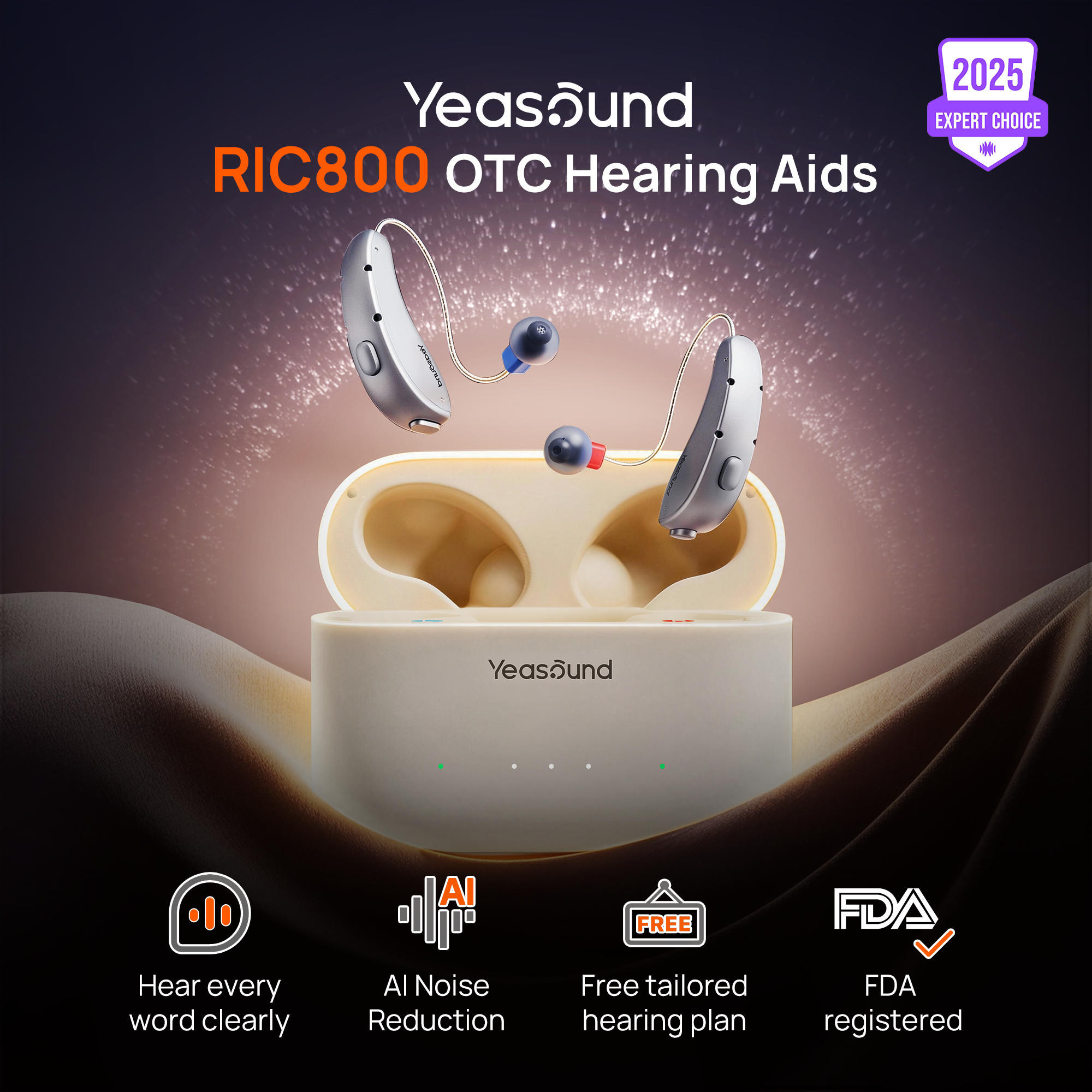
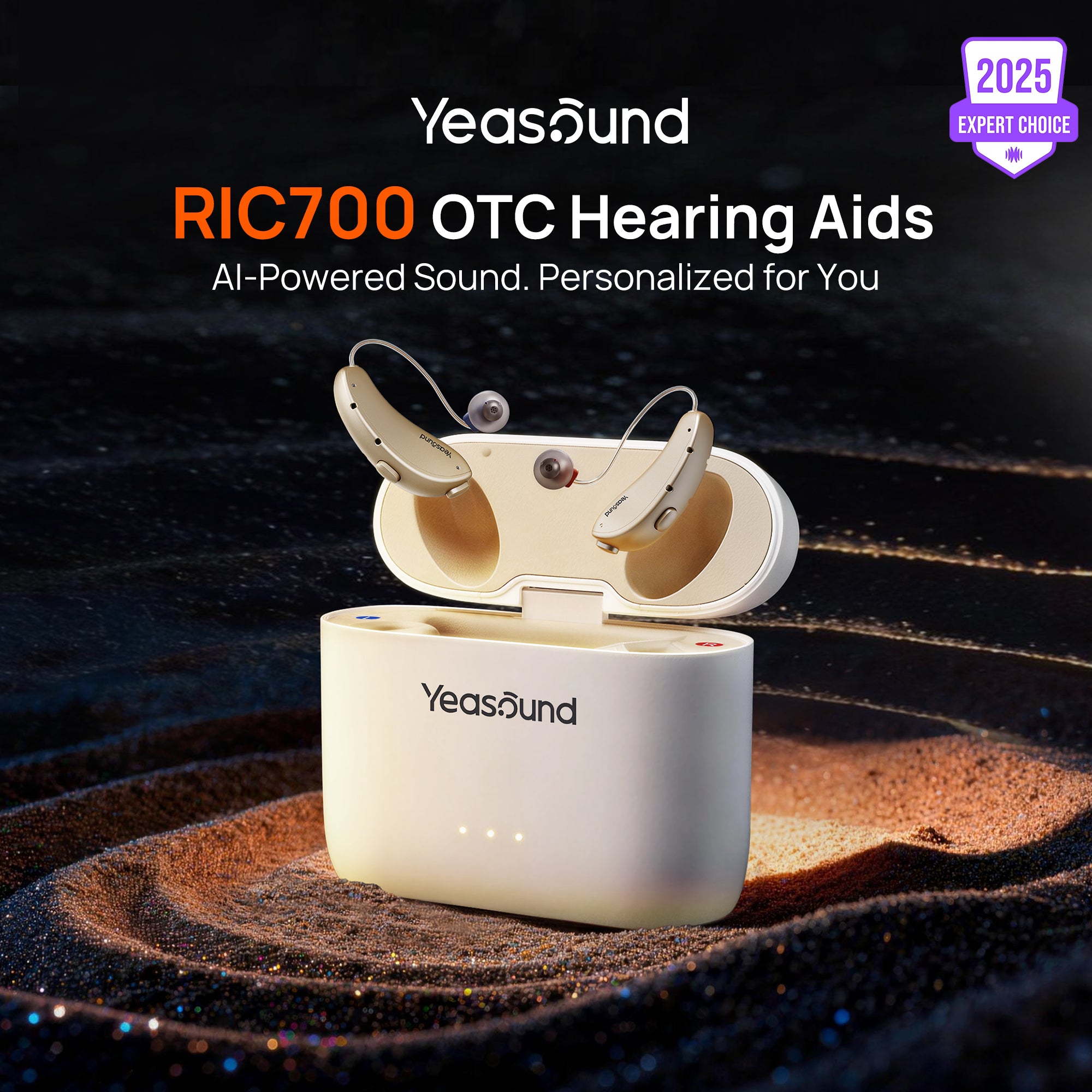
📱 What About Modern OTC Hearing Aids?
For many people with mild to moderate hearing loss, modern OTC hearing aids offer a practical first step:
Easy to use and adjust
Designed for everyday listening
App-based personalization
No prescription required
They focus on clarity, not just loudness.
More information about OTC Hearing Aids, please refer to What Is an OTC Hearing Aid and Who Is It For
🌱 Hearing Better Is a Process — Not a Decision You Have to Rush
Needing a hearing aid doesn't mean your hearing is "bad."
It means you're choosing to hear better — sooner.
It means you're choosing to hear better — sooner.
Starting early gives you more options, better comfort, and better long-term results.
🔎 A Simple Rule of Thumb
If you're asking, "Do I need a hearing aid?"
...it's probably worth checking your hearing.
...it's probably worth checking your hearing.
Better hearing often starts with one small step.
You could test your hearing at home for free, and in just 5 minutes. For more details, refer to: PC Hearing Test Online:Check Your Hearing at Home in Just 5 Minutes



Share:
Stay Updated
Get the latest hearing tips & news delivered to your inbox.