




If you wear both hearing aids and glasses, you're not alone. Many people rely on both every day for clear hearing and comfortable vision. However, because both devices sit around the ear, wearing them together can sometimes feel awkward—especially during long hours of use.
The good news is that with the right hearing aid design and a few simple habits, hearing aids and glasses can be worn together comfortably and securely.

Why Hearing Aid Design Matters When Wearing Glasses
Hearing aids and glasses share the same space behind the ear. Traditional behind-the-ear (BTE) hearing aids tend to be larger and thicker, which may cause:
Pressure or soreness behind the ear
Crowding with glasses temple arms
Devices shifting when putting on or removing glasses
For glasses wearers, hearing aid size and shape play a key role in daily comfort.
RIC700 & RIC800: Designed for Comfortable Co-Wear
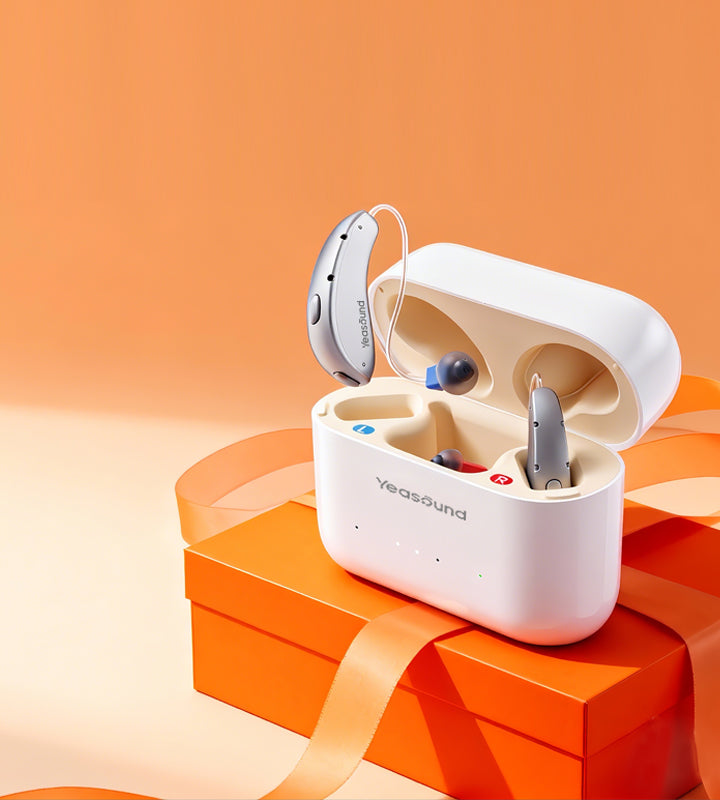
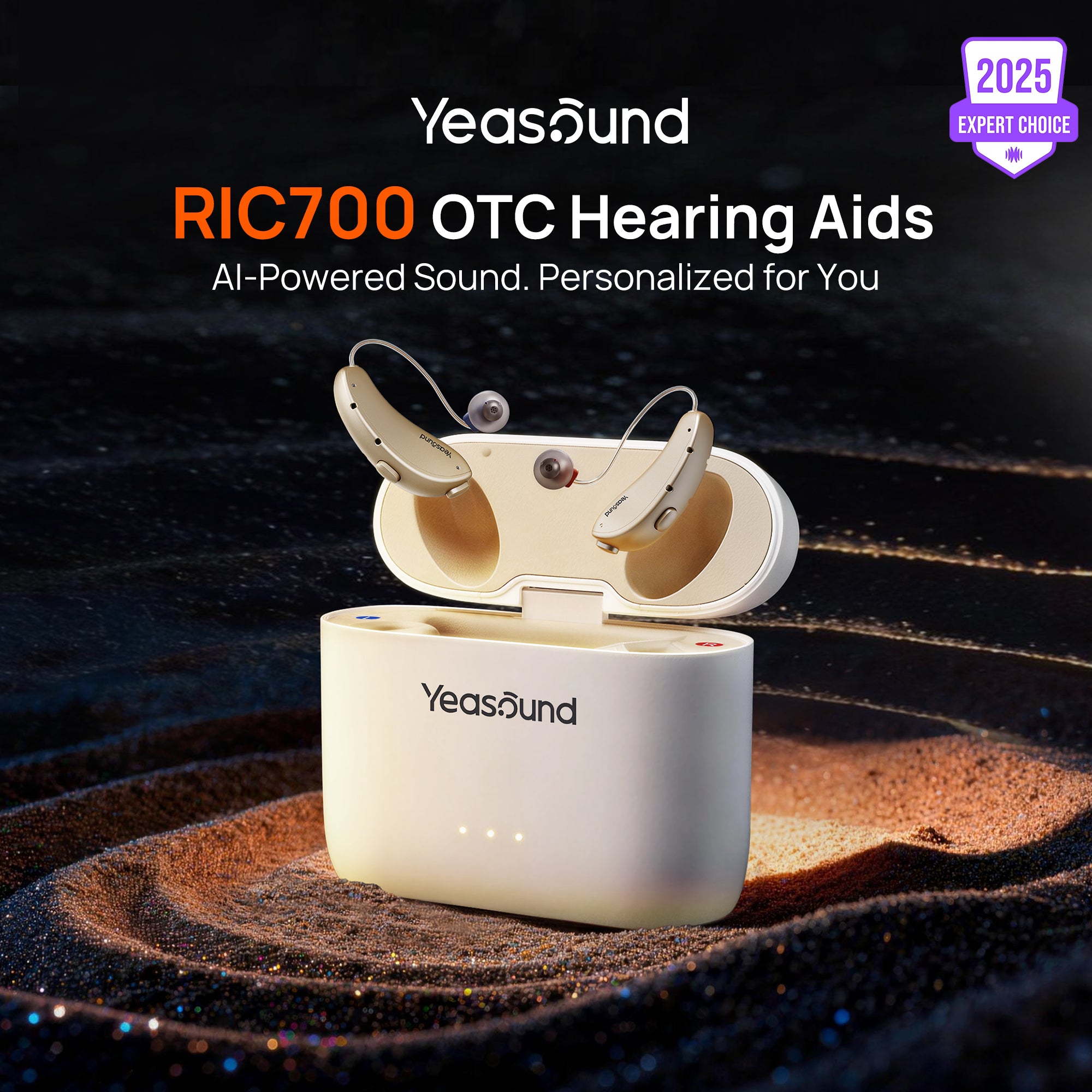
RIC700 and RIC800 are RIC (Receiver-in-Canal) style hearing aids, designed with a compact and lightweight form factor. Compared with conventional BTE hearing aids, RIC devices sit more discreetly behind the ear, leaving more room for glasses and reducing pressure.
They weighs only 2.69 grams and measures just 1.23 inches (3.12 cm) in length. This ultra-light, low-profile design minimizes crowding behind the ear and helps maintain comfort during extended daily wear—making it particularly well suited for people who wear glasses all day.
For many users, a small RIC-style hearing aid feels noticeably more comfortable and stable than a bulkier BTE model when worn with glasses.
Tips for Wearing Hearing Aids and Glasses Together
1. Put on Hearing Aids First, Glasses Second
Always place your hearing aids on your ears before putting on your glasses. This helps ensure proper positioning and prevents the glasses from pushing the hearing aids out of place.
2. Position Both Devices Carefully
The hearing aid should sit close to the ear, while the glasses rest gently behind or slightly above it. Avoid stacking the two devices directly on top of each other.
3. Be Careful When Removing Glasses
Always remove glasses slowly to avoid accidentally pulling off your hearing aids—especially when wearing masks, scarves, or hats.
4. Consider Other Comfort Factors
To achieve truly comfortable wear, it's also important to choose the right receiver length and select the appropriate dome for your ear. These adjustments can significantly affect how the hearing aid sits and how it feels behind the ear.
For more guidance, you can check this blog: Why Comfort Matters in Hearing Aid Use.
Final Thoughts
Wearing hearing aids and glasses together doesn't have to be uncomfortable. With a compact RIC design like RIC700 and RIC800, co-wear is often easier and more comfortable than with traditional BTE hearing aids.
By choosing well-designed devices, paying attention to receiver length and dome selection, and following a few simple daily habits, your hearing aids and glasses can work together seamlessly—supporting clear hearing and comfortable vision throughout the day.




Share:
Stay Updated
Get the latest hearing tips & news delivered to your inbox.