



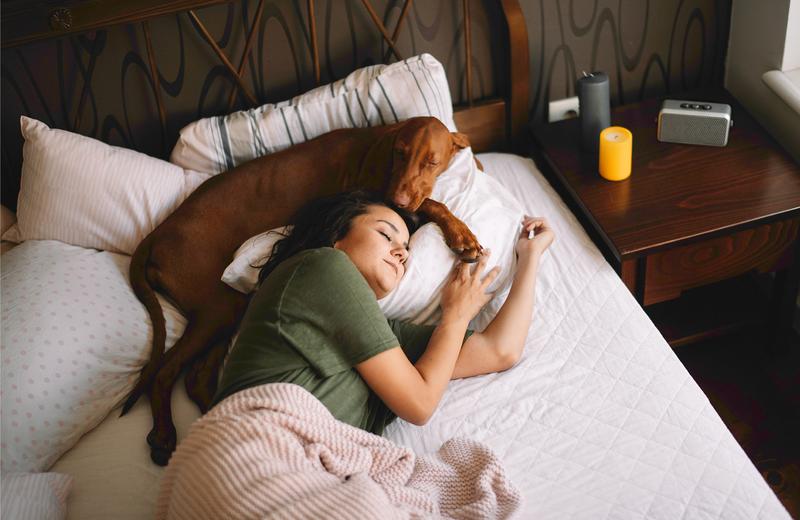
Tinnitus often becomes most annoying when the day finally stops asking anything from you. The bedroom is quiet. The phone is down. The house settles. Then the ringing, buzzing, or high-pitched tone feels as if it has stepped closer.

That is why many people search for a white noise maker for tinnitus at night. The goal is not to erase tinnitus. It is to make the room less silent so the internal sound has less contrast. For some people, that means a bedside sound machine. For others, it may be a fan, a rain track, a low-volume speaker, or a sleep app used with care.
The angle matters. A white noise maker is a comfort tool, not a medical explanation. The NIDCD tinnitus resource notes that tinnitus can be associated with noise exposure, hearing loss, medications, and other health factors. If you treat sound masking as one part of a calm plan, it becomes more useful and less frustrating.
What a White Noise Maker Can and Cannot Do
A white noise maker can make tinnitus less noticeable by adding gentle background sound.
Think of it like turning on a soft lamp in a dark room. The ringing may still be there, but it may no longer feel like the only thing your brain can focus on. This can be especially useful at bedtime, during reading, or in quiet morning routines.
What it can do:
• Reduce the contrast between tinnitus and silence
• Create a steadier sleep environment
• Give your attention a softer sound to rest on
• Help you test whether sound masking is useful before buying more devices
What it cannot do:
• Cure tinnitus
• Diagnose the cause
• Replace a hearing test
• Make loud masking safe
Louder is not better. A masking sound should sit below or near the level of the ringing, not blast over it. If the sound feels irritating, stressful, or too sharp, it is the wrong setting for you.
Choosing Sounds for Sleep Without Making Listening More Tiring
The best tinnitus sound is the one you can tolerate night after night.
Some people like classic white noise. Others find it too hissy and prefer pink noise, rainfall, ocean waves, a fan, or soft app-based sound. The right choice is less about the label and more about comfort.
|
Sound option |
What it feels like |
Best use |
What to watch |
|---|---|---|---|
|
White noise |
Steady, bright, hiss-like |
Blocking quiet-room contrast |
May feel sharp for some ears |
|
Pink noise |
Softer, deeper, more even |
Sleep and relaxation |
Still needs low volume |
|
Nature sounds |
Rain, waves, stream, wind |
Calming bedtime routine |
Loops can become distracting |
|
Fan or room sound |
Familiar and steady |
Simple, no-device routine |
Harder to control precisely |
|
App-based sound |
Adjustable and portable |
Testing several sounds |
Avoid constant switching |
Choose one sound and test it for several nights. If you change sounds every 10 minutes, you may train yourself to monitor the ringing even more closely.
A good seven-night test is simple: same sound, low volume, same bedtime routine, short notes in the morning. Track sleep onset, wake-ups, sound comfort, and whether the ringing felt less intrusive.
Think Beyond the Bedroom When You Choose a Sound
The best sound is the one that fits the situation without becoming another distraction.
Sleep is the obvious use case, but it is not the only one. Some people use gentle background sound while reading in a quiet living room, doing paperwork after dinner, sitting in a hotel room, or winding down after a noisy commute. Others need a softer approach because a partner shares the room or because they are sensitive to constant sound.
Try to match the sound to the moment. Rain or brown noise may feel smoother for sleep. A fan-like sound may be easier in a bedroom. Nature sounds may work for reading but feel too detailed at night. If a sound makes you monitor tinnitus more closely, switch to something simpler or lower the volume.
When Tinnitus Is Also a Hearing Clarity Problem
Tinnitus sometimes overlaps with hearing difficulty.
You may notice ringing at night, then miss words at lunch, turn up the TV, or feel tired after group conversations. In that case, a white noise maker may help the sleep problem but not the listening problem.
This is where hearing support becomes part of the decision. The FDA's OTC hearing aid guidance says OTC hearing aids are intended for adults 18 and older with perceived mild-to-moderate hearing loss. They are not for severe or profound hearing loss, and they are not a substitute for medical care when red flags are present.
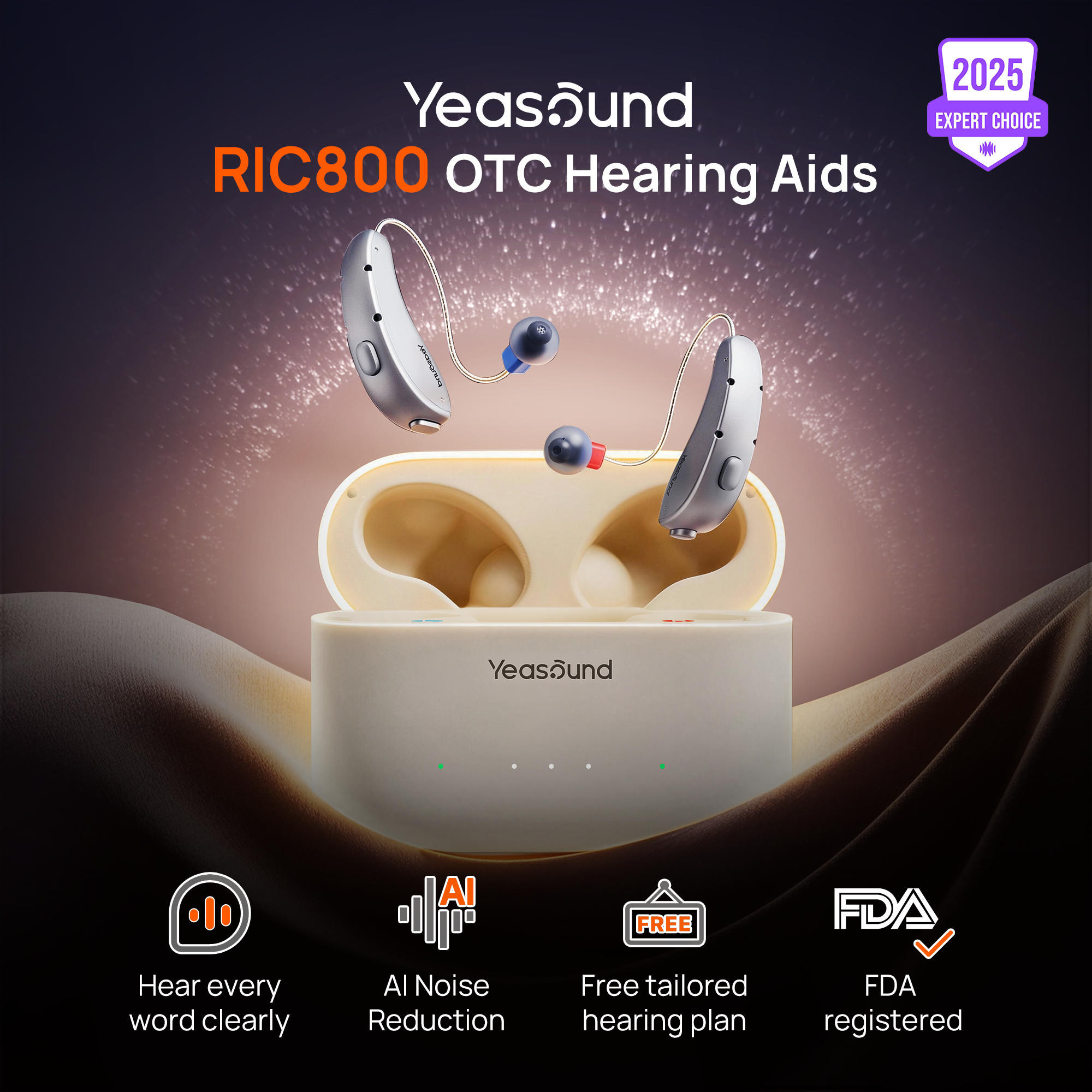
If you have perceived mild-to-moderate hearing difficulty and tinnitus is part of your daily experience, Yeasound RIC800 may be worth considering. It offers tinnitus relief options, iYeasound App adjustment, AI noise reduction, auto speech focus, iOS and Android Bluetooth streaming, rechargeable use, and a 100-day return window. That combination matters when you want both nighttime sound comfort and clearer daily conversation support.

Keep the expectation realistic: hearing aids may help some people with tinnitus awareness when hearing difficulty is also present, but results vary.
When to Get Professional Help Instead of Only Using Sound Masking
Some tinnitus patterns should be checked instead of managed only with home sound.
Seek professional evaluation if tinnitus is sudden, only in one ear, linked with sudden hearing change, dizziness, ear pain, drainage, pressure, or neurological symptoms. Also get help if tinnitus is causing severe sleep loss, anxiety, or daily disruption.
The trade-off is straightforward. Home sound tools are convenient and low pressure. Professional care gives more certainty when the pattern might signal something beyond ordinary masking needs.
You do not need to be alarmed by every ringing episode. But you should not ignore a pattern that is new, intense, one-sided, or medically unusual.
A Simple Seven-Night Test Plan Before Buying More Devices
Use one week to learn whether sound masking is actually helping.
Night 1-2: Choose one sound. Keep it low. Do not try to cover the ringing completely.
Night 3-5: Keep the sound consistent. Track sleep onset, wake-ups, volume comfort, and morning tiredness.
Night 6-7: Add daytime notes. Did you also miss words in conversation? Did TV or phone calls feel harder? Did restaurants feel exhausting?
At the end, choose the next step:
• If sleep improves and daytime hearing feels fine, keep the sound routine simple.
• If sleep improves but conversation remains hard, consider a hearing-focused check or OTC hearing aid comparison.
• If tinnitus feels sudden, one-sided, severe, or medically unusual, seek professional care.
What sound is best for tinnitus at night?
There is no single best sound for everyone. Many people try white noise, pink noise, rainfall, ocean waves, or fan sound. The best choice is low, steady, and comfortable enough to use consistently without making your ears feel more stressed.
Can white noise make tinnitus worse?
White noise should not be loud or harsh. If you use it at a high volume or find the sound irritating, it may make you feel more tense or aware of tinnitus. Keep the volume gentle and stop using a sound that feels uncomfortable.
How loud should a tinnitus sound machine be?
Use the lowest level that makes the ringing feel less dominant. It should not drown out everything in the room. If the sound feels like something you need to fight against, lower it or try a softer sound.
Are hearing aids useful if I also have tinnitus?
They may be useful when tinnitus overlaps with perceived mild-to-moderate hearing difficulty. Hearing aids can improve access to external sound, and some include masking options. They should not be described as a guaranteed tinnitus cure.
When should tinnitus be checked by a professional?
Get checked if tinnitus is sudden, one-sided, linked with hearing loss, dizziness, ear pain, drainage, or major sleep and mood disruption. Those patterns deserve professional interpretation before relying only on masking tools.
Start with one low-volume sound for seven nights. If tinnitus is mainly a quiet-room sleep problem, a simple sound routine may be enough. If ringing comes with missed words, higher TV volume, or listening fatigue, consider a hearing-focused next step instead of buying another sleep gadget.



Share:
Stay Updated
Get the latest hearing tips & news delivered to your inbox.