



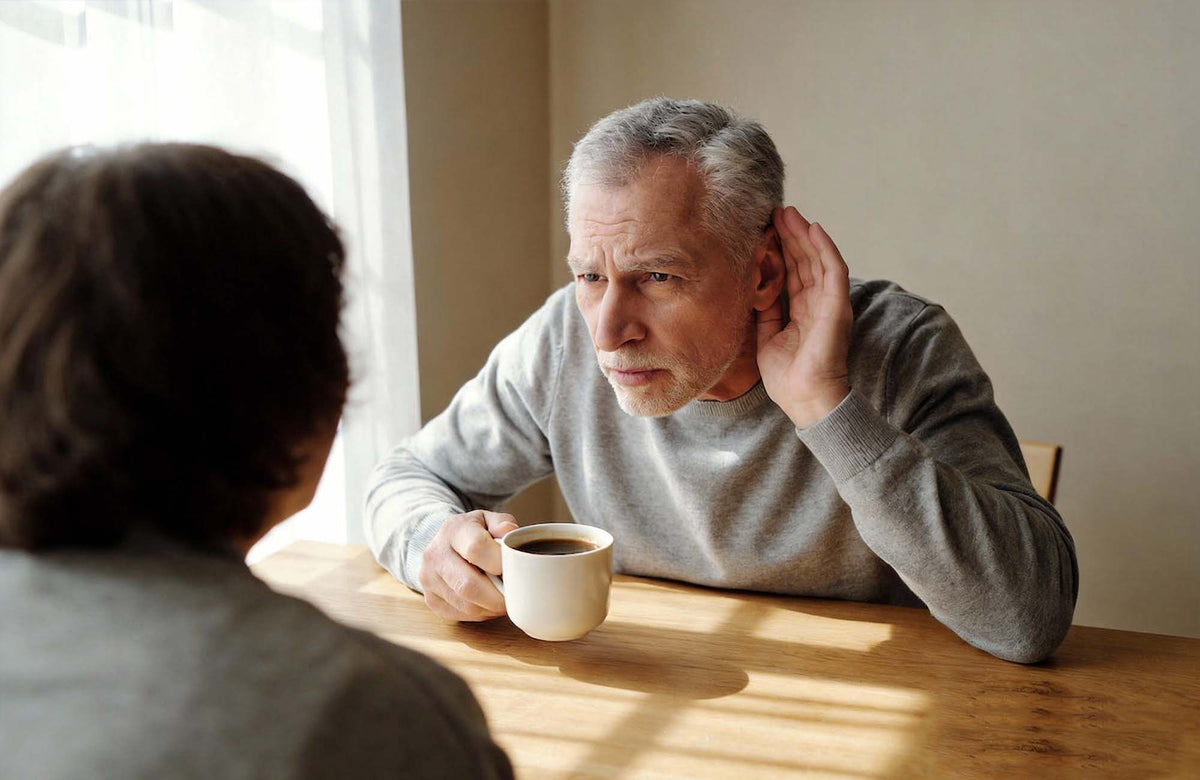
As we get older, it's common to notice changes in our hearing. Maybe conversations feel less clear, or certain sounds don't seem as sharp as they used to be. This type of gradual change is often called age-related hearing loss, or presbycusis.
But an important question remains:
When is hearing decline a normal part of aging—and when is it a sign that something more is going on?
Understanding the difference can help you take action early and protect your long-term hearing health.

What Is Age-Related Hearing Loss?
Age-related hearing loss is a slow, progressive decline in hearing ability that typically affects both ears and develops over many years.
It most often begins with high-frequency sounds, such as:
- Birds chirping
- Certain speech sounds like "s," "f," and "sh"
Because these sounds are important for speech clarity, many people with early hearing loss say:
What Is Considered "Normal" Hearing Decline With Age?
Some hearing changes are common as we age, including:
- Mild difficulty hearing high-pitched sounds
- Needing the TV volume slightly higher than before
- Occasional trouble understanding speech in noisy environments
These changes usually:
- Happen gradually
- Affect both ears similarly
- Do not significantly interfere with daily communication
In these cases, hearing decline may still be within a normal aging range, especially in older adults.
When Is Hearing Decline Not "Normal"?
Hearing loss should not be ignored if you notice any of the following:
Normal aging does not cause sudden hearing loss. A rapid change over days or weeks requires medical attention.
Age-related hearing loss usually affects both ears evenly. Noticeable differences between ears may suggest another underlying issue.
If hearing difficulties start to impact:
- Work performance
- Social interactions
- Phone calls or video chats
...it's a sign that intervention may be needed.
Many people unconsciously withdraw from conversations or social events because listening feels exhausting. This is not a normal or harmless part of aging.
Why Early Action Matters
Untreated hearing loss is associated with increased listening effort and fatigue, social isolation, reduced quality of life, and a higher risk of cognitive decline over time.
The good news is that early hearing assessment and intervention can make a real difference.
A hearing test provides an audiogram, which shows:
- Which pitches you struggle with
- How loud sounds need to be for you to hear them
- Whether hearing loss is mild, moderate, or more significant
👉 Take a hearing test on the Yeasound website or in the iYeasound app to better understand your hearing today.
Key Takeaway: While some hearing changes are a normal part of aging, sudden hearing loss, asymmetrical hearing, or hearing problems that impact your daily life are signs that you should seek professional advice.



Share:
Stay Updated
Get the latest hearing tips & news delivered to your inbox.