



When choosing a hearing aid, you may often see terms like “number of channels” or “adjustable channels.” These numbers are commonly highlighted in product descriptions—but what do they actually mean, and how do they affect real-world listening?
Let’s explain this clearly and practically.

What Is a Hearing Aid Channel?
A channel is a frequency band that a hearing aid uses to process sound.
· Incoming sound is divided into multiple frequency regions
· Each region can be processed differently for gain, compression, and noise control
· This allows the hearing aid to treat low, mid, and high frequencies independently, rather than applying one setting to all sounds
In simple terms, channels enable the hearing aid to adapt more precisely to various types of sounds and different patterns of hearing loss.
Channels for Sound Processing
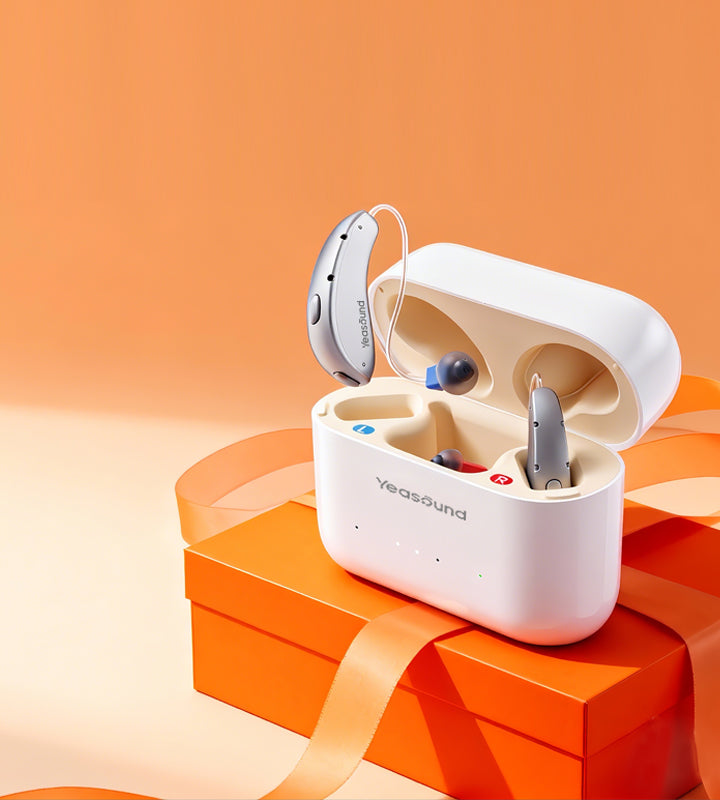
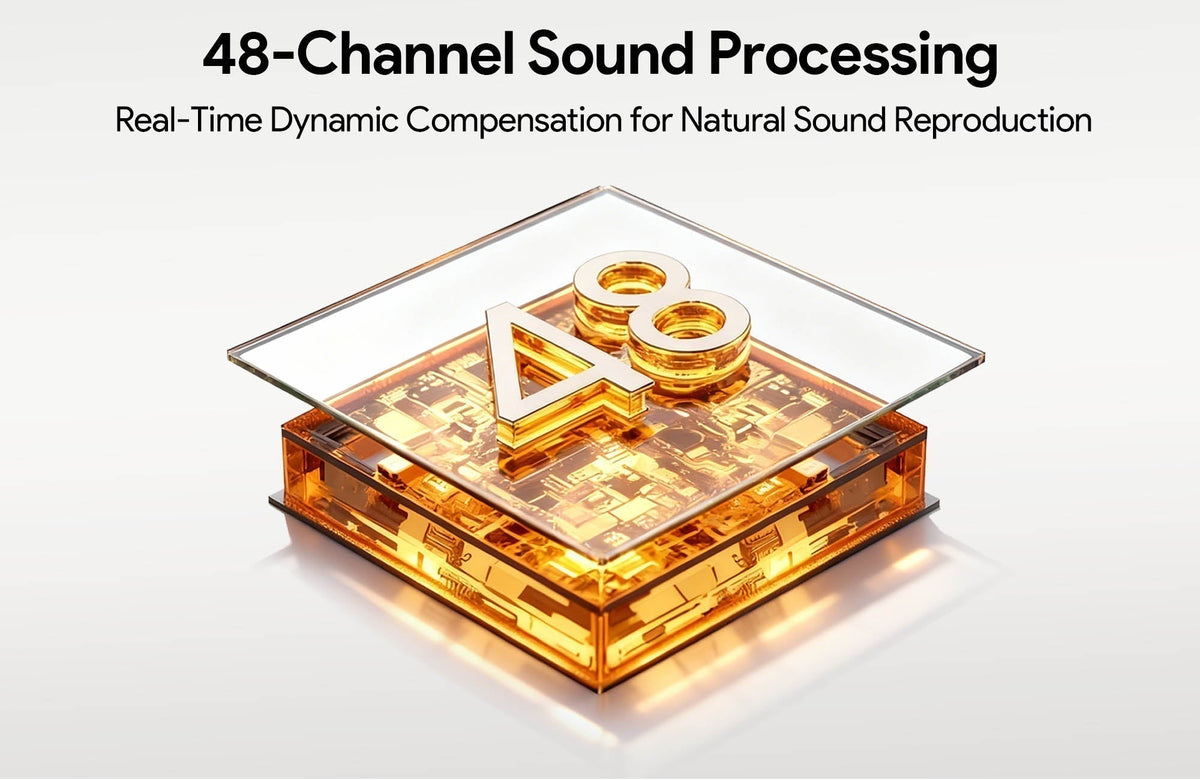
The Yeasound hearing aid utilizes 48 channels for internal sound processing.
This means sound is analyzed across 48 fine frequency bands, allowing the system to:
· Perform more detailed sound analysis
· Create smoother transitions between frequencies
· Handle complex listening environments more effectively
Advanced features such as noise reduction, feedback control, and sound classification all benefit from this high-resolution processing. These 48 channels work continuously in the background and form the foundation of overall sound performance.
Adjustable Channels for Personalization
Designed as an OTC hearing aid, Yeasound provides three preset hearing profiles corresponding to common hearing loss patterns.
However, having preset profiles does not mean the sound processing is simplistic.
Our hearing aid includes 16 adjustable channels, which are used to build and optimize each preset hearing profile:
· Each preset is shaped across 16 clinically meaningful frequency regions
· Gain and compression are carefully tuned within each region
· This allows the presets to more closely follow typical hearing loss shapes
Each adjustable channel controls a group of internal processing channels, ensuring that preset profiles remain precise without adding complexity for the user.
Key Takeaway
· Internal channels determine how precisely sound is processed
· Adjustable channels determine how well the hearing aid can be fitted
For an OTC hearing aid, this balance ensures that preset profiles are built with precision, delivering reliable performance.
A well-designed hearing aid uses both thoughtfully—not just higher numbers, but the right balance between processing accuracy and real-world usability.





Share:
Stay Updated
Get the latest hearing tips & news delivered to your inbox.