



Hearing aids are precision electronic devices built to deliver reliable daily hearing support. Proper care and consistent daily maintenance allow these delicate devices to maintain stable performance and extend operational lifespan for multiple years. Solid knowledge of correct maintenance practices and avoidable mistakes creates a noticeable impact on overall device durability for both new and experienced wearers.
This practical guide outlines key care principles to preserve hearing aid functionality and sustain optimal working conditions over time.

Do's: Best Practices for Hearing Aid Care
1. Clean Your Hearing Aids Regularly
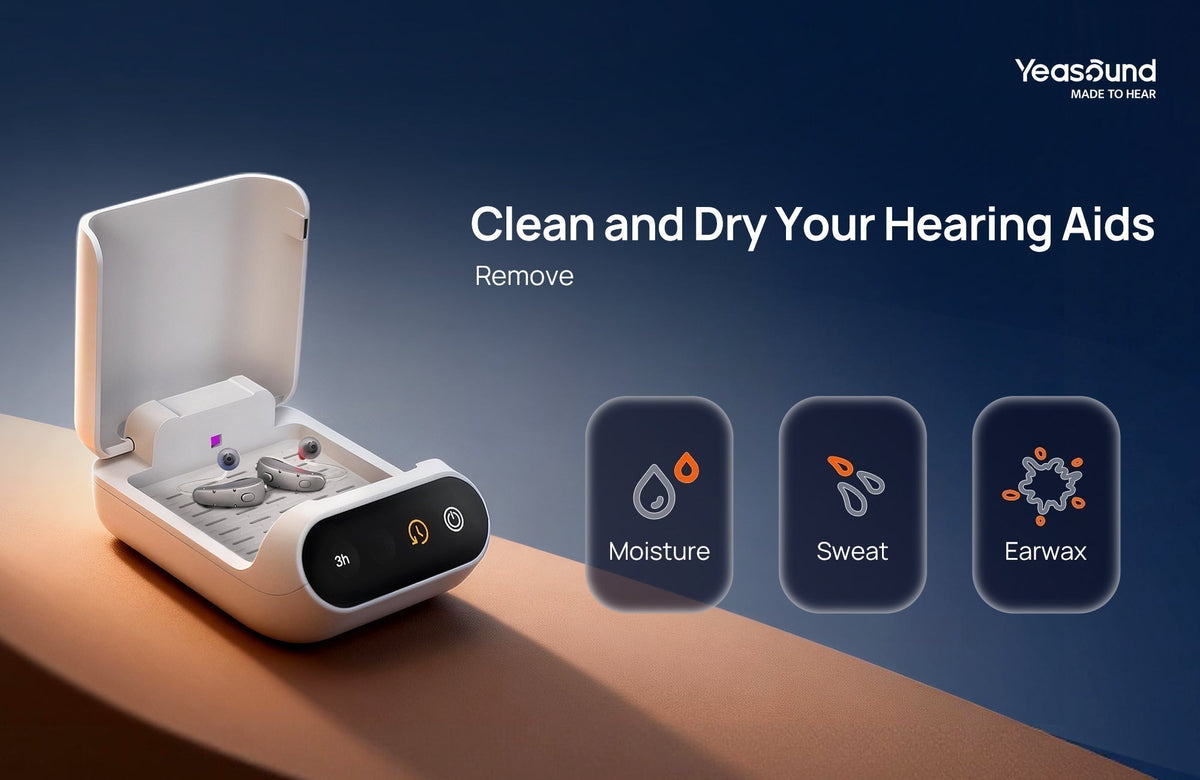
Daily cleaning removes accumulated sweat, skin oils, and surface debris that naturally collect on hearing aids during regular use. A soft, dry, lint-free cloth safely wipes down device exteriors without causing scratches or damage. Special attention toward microphone openings and receiver areas prevents particle buildup that gradually impairs sound clarity and output stability.
For more detailed cleaning instructions, see our blog:【Hearing Aid Cleaning Guide】
2. Protect Devices From Moisture
Moisture exposure from sweat, humid air, and outdoor rainfall poses consistent risks to internal hearing aid components, even for models with IPX8 water-resistant ratings. Thorough drying after moisture contact prevents hidden water vapor from damaging internal circuits. Regular use of hearing aid dryers or desiccant containers maintains dry internal conditions, especially in warm and humid environments.
For step-by-step guidance, read:【How to Dry Your Hearing Aids Safely After Moisture Exposure】
3. Store Hearing Aids Securely During Non-Use
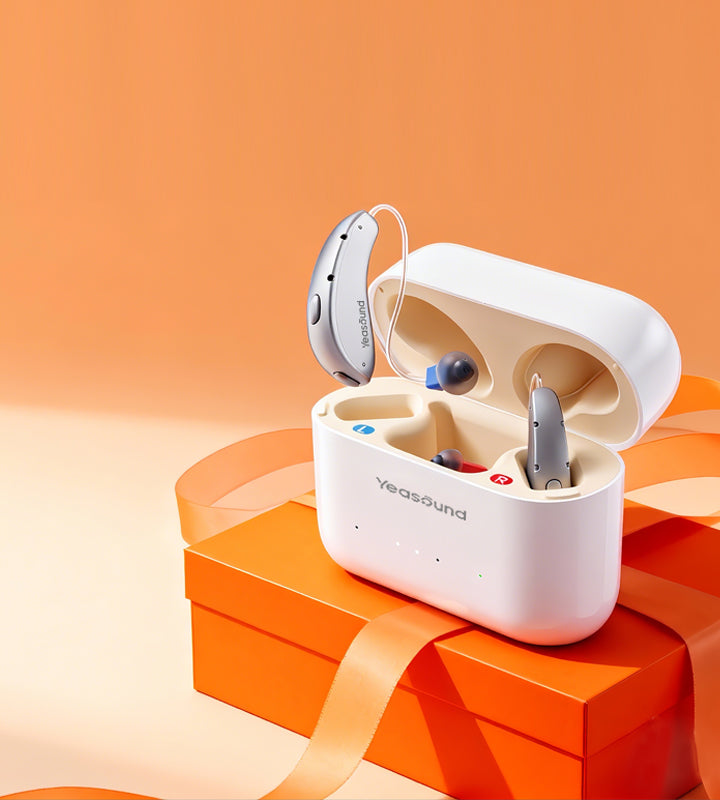
Proper storage protects idle hearing aids from physical damage, dust accumulation, and unnecessary moisture exposure. Placement inside charging cases provides stable, shock-resistant, and sealed protection whenever devices are not in use. This simple habit prevents accidental drops, surface contamination, and prolonged air exposure that accelerates component aging.
4. Handle Devices With Clean Hands
Always wash and dry your hands before handling your hearing aids. This reduces the transfer of dirt, oils, and moisture onto sensitive components.
5. Maintain Regular Ear Hygiene
Consistent ear care reduces excessive earwax accumulation that commonly clogs hearing aid receivers and vents. Cleaner ear conditions prevent blockage-related sound distortion and performance drops throughout daily wear. Routine ear maintenance lowers the frequency of deep device cleaning and professional repairs.
For more detailed cleaning guide, see our blog:【How to Clean Your Ears Safely】
Don'ts: Common Mistakes to Avoid
1. Avoid Heat-Based Drying Methods
High heat sources such as hair dryers, heaters, ovens, and direct sunlight cause permanent damage to delicate hearing aid electronics and rechargeable batteries. Excessive heat warps internal components, deteriorates battery health, and creates irreversible circuit damage.
2. Skip Device Wear During Showering or Swimming
Waterproof ratings do not support hearing aid use during bathing, swimming, or hot tub sessions. Water pressure, soap residues, and pool chemicals penetrate protective layers and corrode internal structures. Submersion scenarios create persistent damage that routine drying cannot reverse.
3. Avoid Hot and Humid Storage Locations
Enclosed bathrooms, sun-exposed car interiors, and window sills create unfavorable conditions for idle hearing aids. Elevated heat and humidity speed up electronic component wear, weaken battery stability, and increase internal moisture buildup over time.
4. Never Ignore Abnormal Sound Performance
Intermittent sound output, audio distortion, and reduced volume signal underlying issues such as trapped moisture, debris blockage, or minor component wear. Continued device operation under abnormal conditions worsens existing faults and leads to more severe damage.
5. Avoid Styling Product Application With Devices On
Hair sprays, gels, and other styling products leave fine sticky residues that clog microphones and ventilation ports. Product buildup disrupts sound transmission and gradually degrades long-term hearing aid performance. Device removal before all styling routines eliminates this common contamination issue.
Final Thoughts
Simple and intentional daily maintenance effectively extends hearing aid lifespan and sustains consistent high-quality sound performance. Regular cleaning, secure storage, and careful usage habits protect sophisticated internal systems from premature wear and preventable damage. Thoughtful device maintenance ensures stable, reliable hearing support throughout every day of use.



Share:
Stay Updated
Get the latest hearing tips & news delivered to your inbox.