



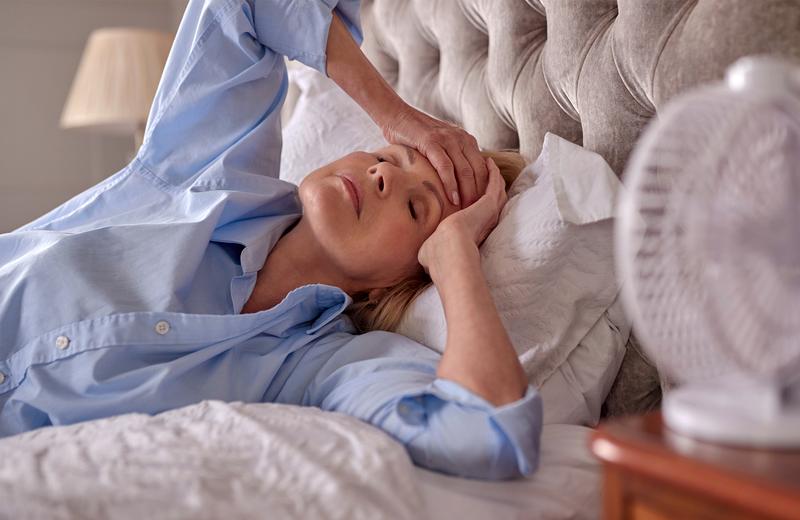
When ringing starts, the first instinct is to search for the fastest way to make it stop. That reaction is understandable, especially if it appears after a concert, a long headphone session, a stressful week, or a quiet evening when the rest of the room goes still.

The safer first question is not "How do I force it away right now?" It is "Is this a short-lived episode or a recurring pattern?" Temporary ringing after loud sound exposure can fade, but it is still a sign to rest your ears and avoid adding more noise. Ringing that keeps returning, affects one ear more than the other, or comes with hearing changes deserves more attention.
The NIDCD describes tinnitus as a symptom with different possible causes, including noise exposure, hearing loss, medication effects, and other health conditions. That is why a practical plan should start with calm observation, safer habits, and clear rules for when to get checked.
Safe Things You Can Try Before You Panic
Start with lower-risk steps that reduce irritation instead of chasing a quick cure.
Give your ears a quieter few days. Avoid loud concerts, power tools, high headphone volume, and noisy rooms when possible. If you must be around loud sound, use properly fitted hearing protection.
This does not guarantee the ringing will stop, but it prevents you from adding more stress while you observe what is happening.
Silence can make ringing feel louder. A fan, low white noise, pink noise, rainfall, or soft music may make the sound less dominant, especially at night.
Keep it gentle. The goal is not to blast tinnitus into the background. Loud masking can create more listening fatigue.
Track triggers rather than guessing
For one week, note when ringing appears, what you were doing, sound exposure, sleep, stress, caffeine or alcohol changes, and whether hearing also feels different. This does not diagnose the cause, but it gives a professional better information if you need help.
Use Daily Context to Understand What Makes It Worse

Ringing often feels random until you write down what happened around it.
For a few days, track simple details: loud environments, headphone volume, caffeine or alcohol, poor sleep, stress, jaw tension, new medications, and whether the sound is worse after driving, yard work, gym classes, or long video calls. You are not diagnosing yourself. You are building a cleaner story for yourself and, if needed, for a hearing professional.
This also keeps the article's advice grounded. A person whose ringing spikes after loud tools needs a different next step than someone whose ringing appears with sudden one-sided hearing change. One is often about reducing irritation and protecting hearing. The other should be checked promptly.
What Not to Do When You Want Ringing to Stop Fast
Fast action is not always safe action.
Avoid putting objects into the ear canal, using unverified drops for an unknown problem, blasting masking noise, or relying on supplements that promise a cure. Tinnitus can be frustrating, and that frustration makes quick fixes tempting. But the wrong quick fix may irritate the ear or delay the right care.
If you suspect earwax, ear infection, medication effects, or sudden hearing change, treat that as a reason to ask a clinician, not a reason to experiment.
The most useful mindset is: reduce risk first, observe the pattern, then choose the next step.
When Ringing Comes With Hearing Difficulty
Ringing and hearing difficulty often show up together.
You may hear ringing at night and also miss words in restaurants, ask people to repeat, or turn up the TV. When that happens, the issue may not be only "how do I cover the sound?" It may also be "am I missing external sound that would make listening easier?"
For adults with perceived mild-to-moderate hearing loss, the FDA says OTC hearing aids are available without a prescription. They are not intended for severe or profound hearing loss, and they should not be used as a shortcut around red-flag symptoms.
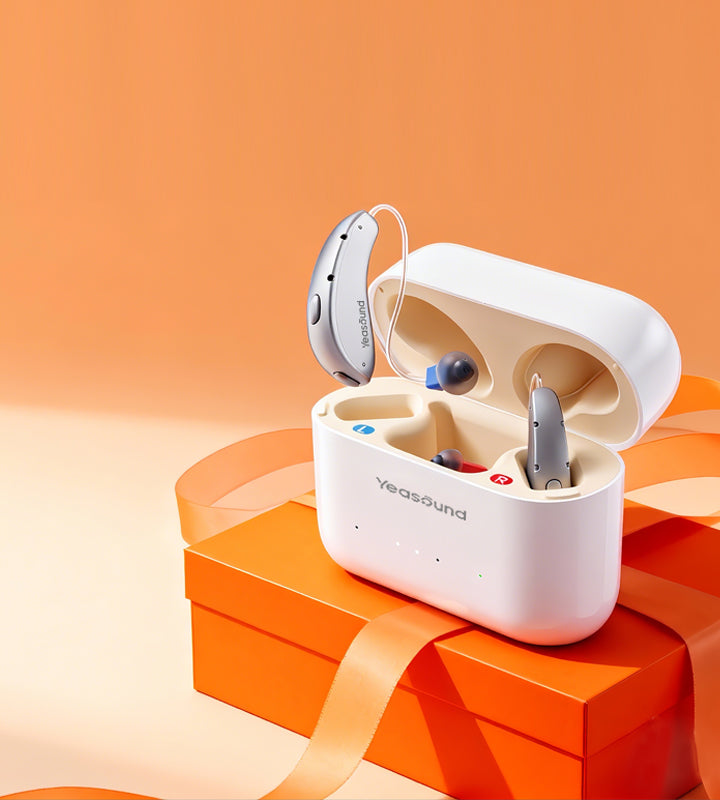
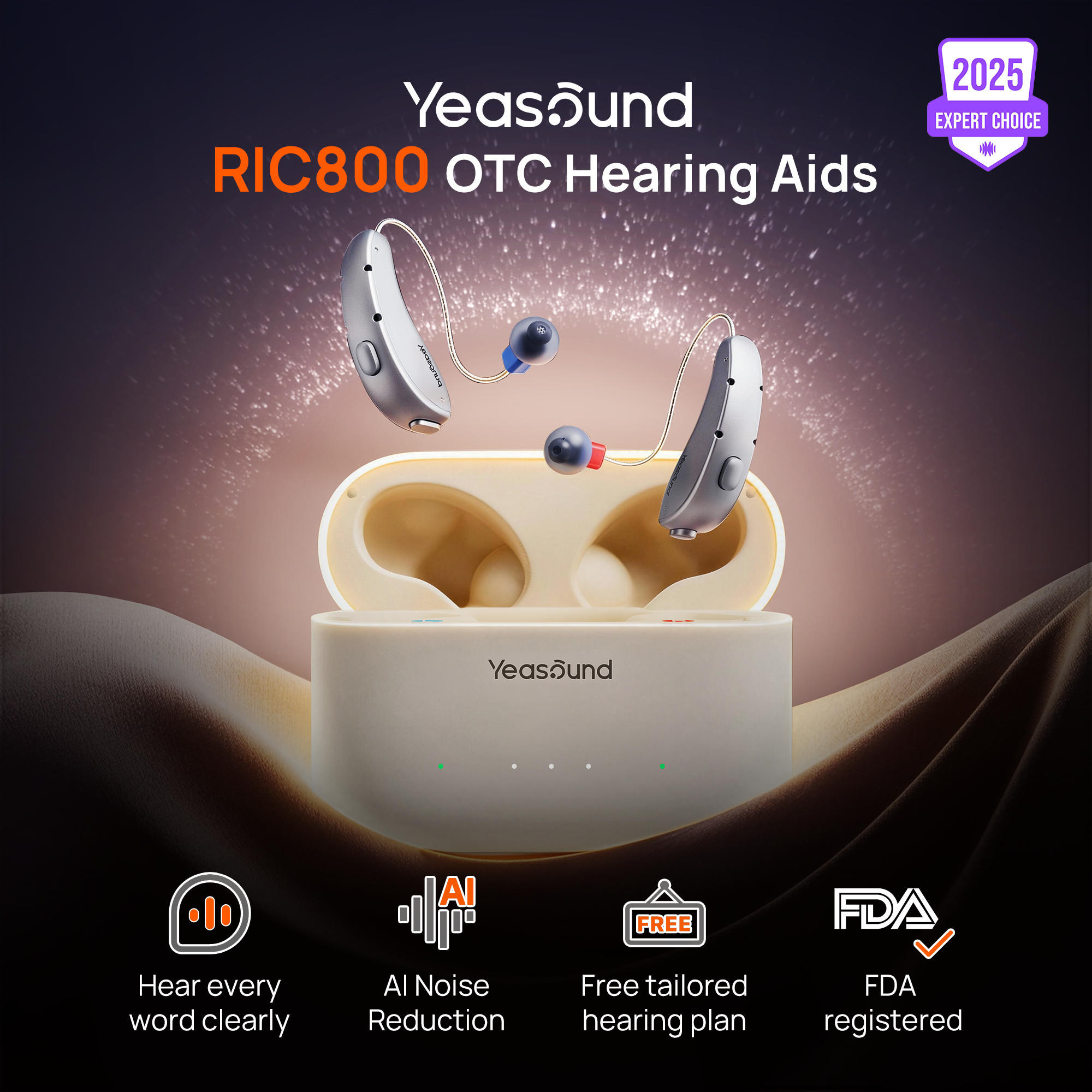
If your ringing overlaps with mild-to-moderate listening difficulty, Yeasound RIC800 is one OTC option to evaluate. It includes tinnitus relief options, app controls through the iYeasound App, AI noise reduction, auto speech focus, iOS and Android Bluetooth streaming, rechargeable use, and a 100-day return window. That makes it relevant when you want to test both sound comfort and daily speech clarity, not when you need medical diagnosis.
Red Flags That Need Professional Evaluation
Some ringing should not be managed only at home.
Get professional care promptly if ringing is sudden, only in one ear, linked with sudden hearing loss, dizziness, ear pain, drainage, pressure, head injury, or neurological symptoms. You should also seek help if tinnitus causes severe anxiety, insomnia, or major daily disruption.
These signs do not always mean something dangerous. But they do mean professional interpretation is safer than guessing.
The trade-off is simple: home steps are useful for comfort, but medical certainty matters when the symptom pattern changes.
A Practical Next-Step Plan for the Next Seven Days
Use one week to reduce risk and learn the pattern.
|
Day range |
What to do |
What to track |
|---|---|---|
|
Days 1-2 |
Rest from loud sound and avoid headphone volume spikes |
Does ringing calm down or stay the same? |
|
Days 3-4 |
Try low background sound at night |
Sleep onset, wake-ups, sound comfort |
|
Days 5-6 |
Notice daytime hearing |
Missed words, TV volume, phone clarity |
|
Day 7 |
Decide next step |
Continue comfort routine, take a hearing check, or seek professional care |
If ringing fades and no warning signs appear, keep protecting your ears and watch for patterns. If ringing persists, repeats, or comes with hearing difficulty, a hearing test is reasonable. If red flags appear, do not wait.
Can ringing in ears go away on its own?
Sometimes temporary ringing fades, especially after short-term loud sound exposure or a brief irritation. Recurring, worsening, one-sided, or sudden ringing should not be ignored. Track the pattern and seek professional help if it persists or comes with other symptoms.
What helps ringing in ears at night?
Soft background sound often helps because silence can make ringing more noticeable. Try a fan, low white noise, pink noise, rainfall, or a sound app at a gentle volume. Keep the sound comfortable rather than loud.
Can hearing loss cause ringing in ears?
Tinnitus and hearing loss can overlap. Some people notice ringing before they realize they are missing speech details. If ringing comes with trouble hearing conversation, TV, or phone calls, a hearing test can help clarify the next step.
Should I use hearing aids for tinnitus?
Hearing aids may be worth considering when tinnitus occurs with perceived mild-to-moderate hearing difficulty. They may improve access to everyday sound and some include masking features. They should not be treated as a guaranteed cure.
When is ringing in one ear serious?
One-sided ringing should be checked, especially if it is sudden or comes with hearing loss, dizziness, pain, drainage, or pressure. A professional can determine whether medical evaluation or hearing care is needed.
Do not fight ringing with panic. Rest your ears, use gentle sound, track the pattern, and watch for red flags. If ringing overlaps with hearing difficulty, move from "make it stop" to "understand what is happening" and choose support from there.




Share:
Stay Updated
Get the latest hearing tips & news delivered to your inbox.