



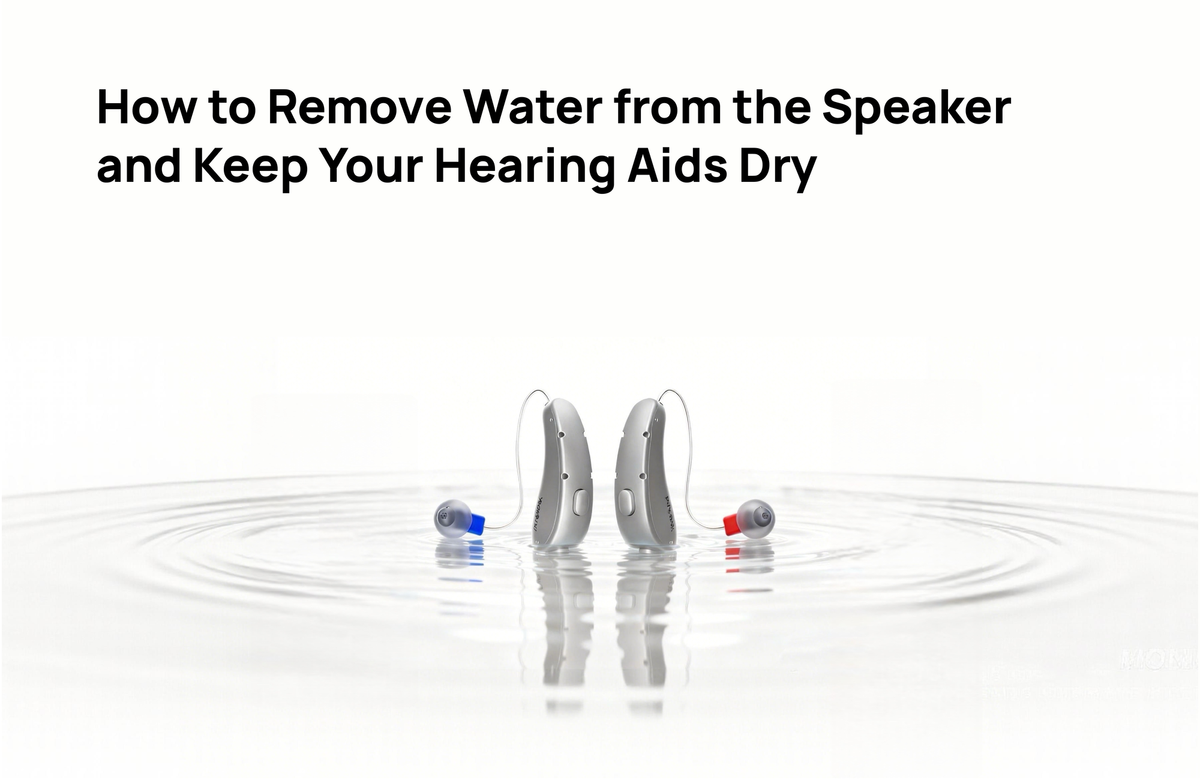
Moisture is one of the most common reasons hearing aids lose sound quality — or stop working altogether.
Sweat, rain, humidity, or accidental splashes can allow water to enter the speaker or microphone ports, leading to muffled audio, distortion, or long-term internal damage. Knowing how to remove moisture quickly is important — but preventing water damage in daily use matters even more.

Why Water and Moisture Are So Damaging to Hearing Aids
Hearing aids contain tiny and sensitive components. When moisture enters the device, it can:
Block the speaker output
Distort high-frequency sounds critical for speech clarity
Causes corrosion on internal circuits
Reduce device lifespan over time
This is especially true for RIC (Receiver-in-Canal) hearing aids, which are worn close to the skin and exposed to sweat and environmental humidity throughout the day.
Signs Water May Be Trapped in the Speaker
Moisture doesn't always look obvious. Watch for these warning signs:
Sound becomes quieter or muffled
Audio cuts in and out
Crackling or static noise
Sudden drop in speech clarity
One side sounds weaker than the other
If you notice these changes, act quickly.
How to Remove Water from a Hearing Aid Speaker Safely
If your hearing aid may have been exposed to moisture, follow these steps:
1. Power Off Immediately
Turn off the device to avoid electrical damage.
2. Dry the Exterior
Gently wipe the hearing aid with a soft, dry cloth.
3. Remove Domes
If possible, detach them so both the speaker and accessories can dry fully.
How to remove or change domes, please refer to:
4. Use a Safe Drying Method
A hearing aid drying case or dehumidifier (recommended)
Silica gel packets in a sealed container
Dry storage overnight in a cool, well-ventilated place
Avoid using rice, which is less effective and can leave residue.
5. Wait Before Reuse
Allow 3–6 hours of drying time before turning the device back on or charging.
What Not to Do
Do not use a hair dryer or heater
Do not shake the hearing aid aggressively
Do not charge the device while it's wet
These actions can worsen internal damage.
Sweat and Humidity: The Everyday Risk
Many users associate water damage with accidents — but sweat and humidity are far more common causes.
Long daily wear, exercise, warm climates, and poor ventilation can allow moisture to accumulate slowly, affecting sound quality before you even notice a problem.
That's why daily drying and proper storage are essential, even if your hearing aids never get "wet."
How to Keep Your Hearing Aids Dry Long-Term
Good habits can dramatically extend the life of your hearing aids:
Dry your hearing aids every night
Store them away from bathrooms and kitchens
Clean domes and speaker openings regularly
Take short breaks after heavy sweating
Use moisture-resistant accessories if you're active
Most importantly, choose hearing aids designed with moisture protection in mind.
Why Waterproof Design Matters More Than You Think
No hearing aid is completely immune to moisture — but devices with a strong waterproof and anti-corrosion design are far more reliable in real life.
Advanced sealing, protective coatings, and tested waterproof ratings help reduce daily moisture stress and protect sound quality over time.
If you live in a humid climate, exercise often, or wear your hearing aids all day, water resistance is not a "nice-to-have" — it's essential.
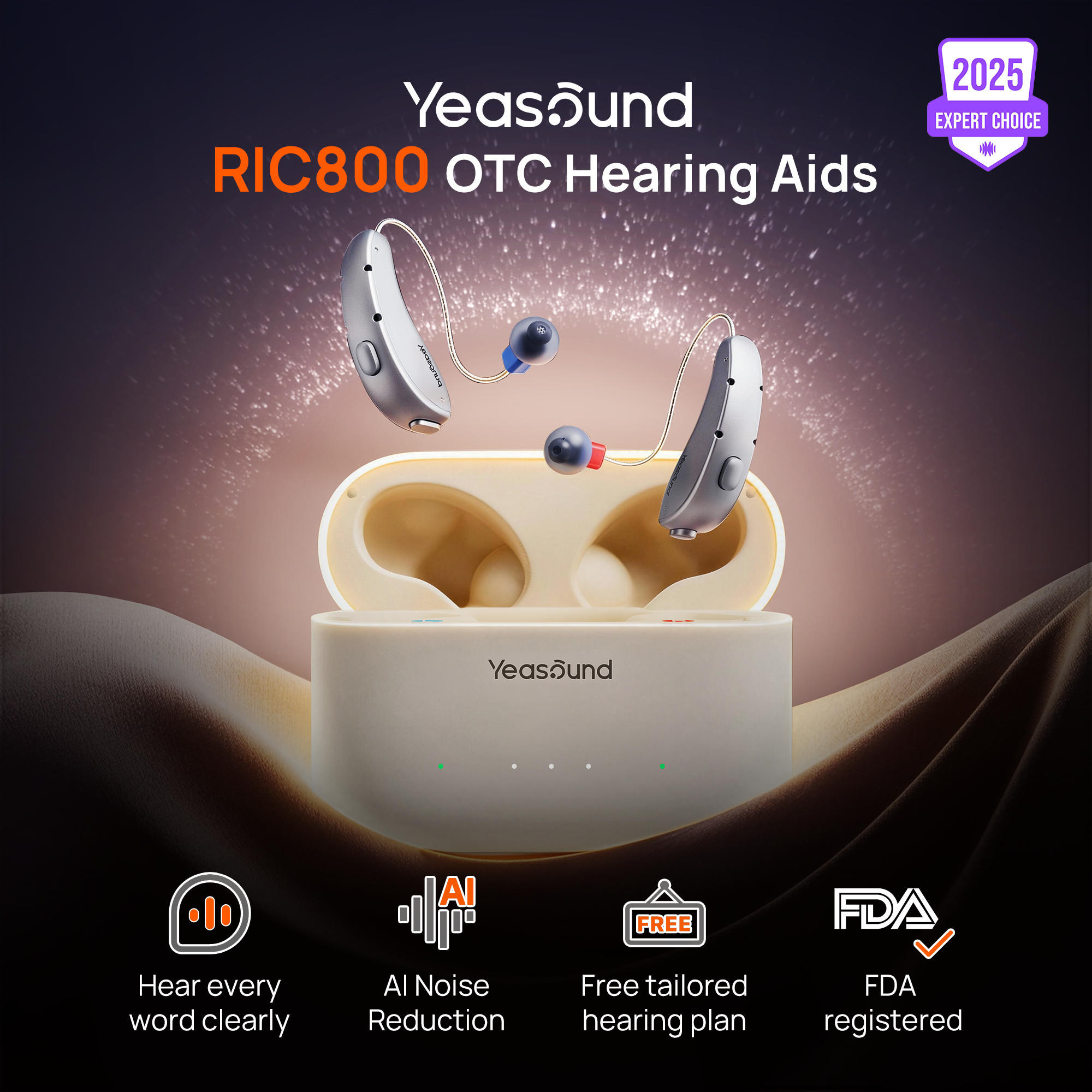
RIC800 has an IPX8 rating for waterproofing. For more information, please refer to Start Your Day Without "Water Panic"
Protect Your Sound, Every Day
Removing water from a speaker can save your hearing aid in the moment.
Choosing better moisture protection helps protect it for years.
Choosing better moisture protection helps protect it for years.
By combining quick action, good daily habits, and hearing aids designed for real-world conditions, you can enjoy clearer sound — without constant worry.



Share:
Stay Updated
Get the latest hearing tips & news delivered to your inbox.