



Hearing aid cost becomes confusing because the sticker price hides different kinds of risk. One product may look affordable but offer little support. Another may cost thousands because it includes testing, fitting, follow-up care, and clinical time.

That is why a better first question is not "What is the cheapest hearing aid?" It is "What problem am I trying to solve, and what support do I need to solve it safely?" Someone who mostly misses soft speech during errands may need a different budget than someone with severe loss, one-sided symptoms, or a complicated hearing history.
Think of cost as a bundle. It can include device technology, hearing testing, fitting, app support, return policy, warranty, customer service, professional adjustments, and the time you spend learning the device. A lower price can be a smart choice when the need is straightforward. A higher price can be justified when the hearing situation is complex.
Why Prescription Hearing Aids Often Cost More
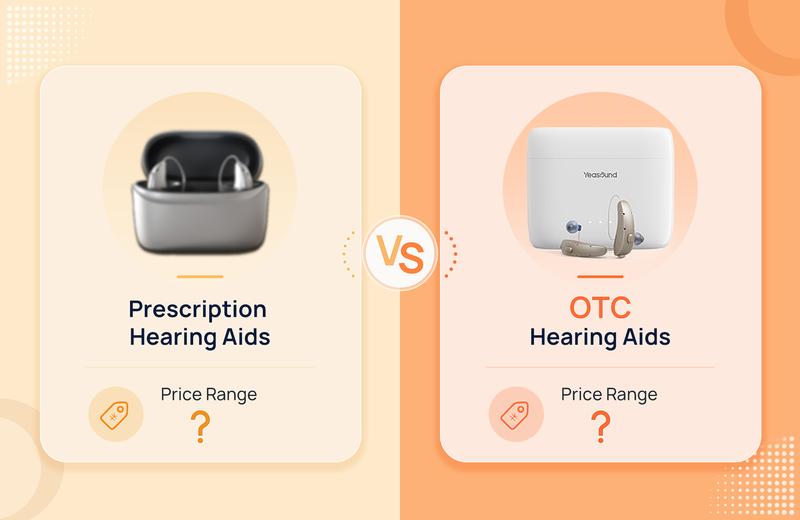
Prescription hearing aids often cost more because the purchase is usually bundled with clinical service.
That can include a professional hearing evaluation, ear measurements, custom fitting, programming, follow-up adjustments, counseling, and clinic overhead. For complex hearing loss, severe loss, asymmetric results, or medical uncertainty, that support can be valuable.
Prescription care is not "bad because it costs more." It may be the safer route when you need diagnostic certainty and hands-on fitting.
The trade-off is cost versus guidance. If your hearing needs are complex, guidance can be worth paying for. If your hearing difficulty is perceived mild-to-moderate and your main concern is daily conversation, OTC may be a more practical first comparison.
Why OTC Hearing Aids Can Cost Less
OTC hearing aids can cost less because the model is different.
The FDA's OTC hearing aid guidance explains that OTC hearing aids are for adults 18 and older with perceived mild-to-moderate hearing loss and can be purchased in stores or online without a prescription. Because setup may be self-guided or app-based, the upfront price is often more transparent.
That does not mean OTC is right for everyone. OTC devices are not intended for severe or profound hearing loss. If symptoms are sudden, one-sided, painful, dizzy, or medically unclear, professional evaluation should come first.
The trade-off is price control versus personal responsibility. You may save money, but you need to test fit, comfort, and real-world speech clarity carefully.

What Features Are Worth Paying For in Daily Life
Useful hearing aid features are the ones that solve real listening problems.
For many adults, the most valuable features are:
• Speech clarity in noise: important for restaurants, family meals, stores, and meetings.
• Rechargeable use: reduces the daily friction of batteries and charging anxiety.
• Comfortable fit: a device only helps if you actually wear it.
• Phone compatibility: useful for calls, streaming, and app control.
• Adjustment support: reduces the risk of giving up after a bad first setting.
• Return policy: protects you if the first fit does not match your life.
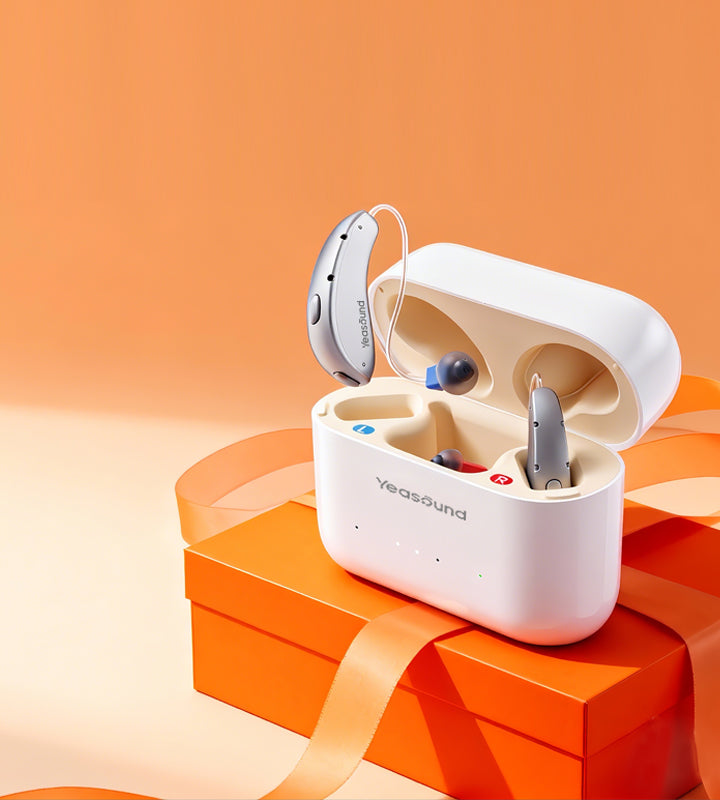
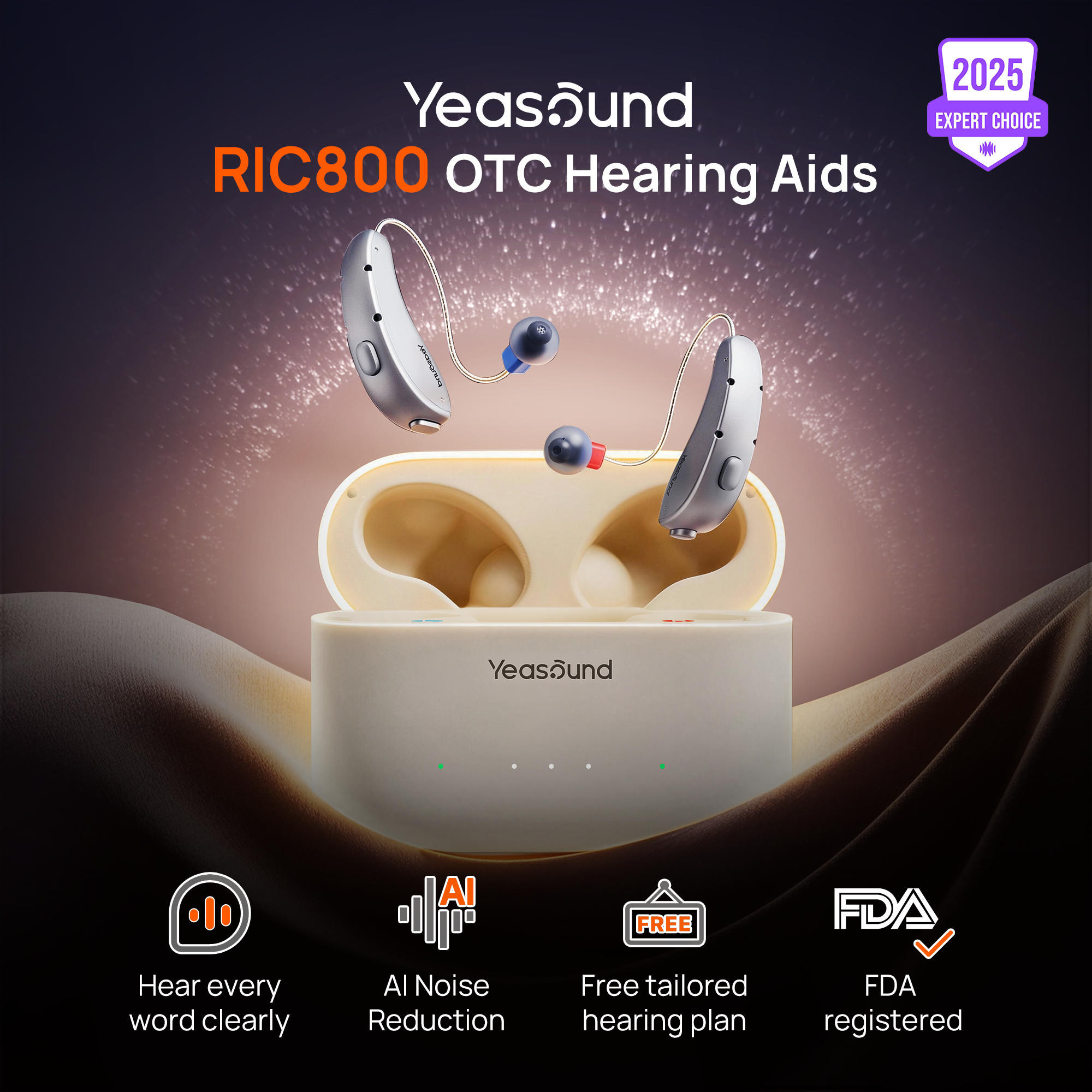
Yeasound RIC800 fits this value-focused comparison because it combines AI noise reduction, app adjustment, iOS and Android Bluetooth streaming, up to 31 hours of use on a single charge, 100-day return support, and remote audiologist fine-tuning. Those details matter when your concern is not only price, but whether the device can be tested safely in daily life.
Price Should Be Judged Against Real Listening Goals
A hearing aid budget makes more sense when it is tied to specific daily moments.
List the situations that matter before comparing prices: hearing instructions at a pharmacy, following a church service, understanding a coworker in a small meeting, catching a boarding announcement, talking in the car, or hearing a soft-spoken family member at the kitchen table. These are more useful than a vague goal like "hear better."
Then compare products against those goals. Noise reduction matters more if restaurants and group settings are the problem. Bluetooth may matter if phone calls or video meetings are important. Rechargeable batteries may matter if finger dexterity is limited. A return window matters when you are unsure whether OTC support will fit your life.
A Cost Comparison Table Readers Can Actually Use
Use cost as a decision tool, not a scoreboard.
|
Option type |
Best fit |
Support level |
Main risk to check |
|---|---|---|---|
|
Basic OTC hearing aid |
Simple mild listening needs |
Usually self-guided |
May lack enough tuning or comfort |
|
Self-fitting OTC hearing aid |
Mild-to-moderate daily conversation trouble |
App-based and brand support |
Requires careful trial testing |
|
Prescription hearing aid |
Complex, severe, asymmetric, or medically unclear needs |
Professional fitting and follow-up |
Higher upfront cost |
Do not choose only by the lowest number. Ask what happens if the device feels uncomfortable, the settings are wrong, or speech in noise still feels hard.
How to Decide Your First Budget Without Overbuying
Your first budget should match both hearing need and decision risk.
If your symptoms are perceived mild-to-moderate, mostly conversation-related, and free of red flags, an OTC budget may be a reasonable starting point. If your hearing loss is severe, sudden, one-sided, medically complex, or hard to interpret, budget for professional evaluation and fitting first.
Before buying, check:
1. Return window
2. Warranty
3. App compatibility
4. Battery or rechargeable routine
5. Support access
6. Whether the device fits your hearing level
This is where a higher-value OTC choice can be smarter than either the cheapest device or an immediate high-cost prescription route.
How much do hearing aids usually cost?
Costs vary widely depending on whether the device is OTC or prescription, what services are included, and how much support you need. Instead of comparing price alone, compare technology, fitting model, warranty, return policy, and follow-up support.
Are OTC hearing aids cheaper than prescription hearing aids?
OTC hearing aids often have a lower upfront cost because they are sold directly and usually rely on self-fitting or app-based setup. Prescription hearing aids, by contrast, usually include professional hearing tests, custom fitting, and ongoing follow-up care, which increases the overall price. In addition, prescription devices are often sold through clinics or distributors, meaning intermediary costs and profit margins are built into the final price. OTC hearing aids are commonly sold through brand websites with a direct-to-consumer model, helping reduce extra distribution costs and making them more affordable.
Are more expensive hearing aids always better?
Not always. A more expensive hearing aid may be better for complex needs, but it may be unnecessary for straightforward mild-to-moderate difficulty. The better device is the one that fits your hearing level, daily environments, comfort, and support needs.
What should I check before buying affordable hearing aids?
Check whether they are appropriate for mild-to-moderate hearing loss, whether app controls are easy, whether your phone is compatible, and whether there is a return policy. Also check support options if setup feels difficult.
Is a return policy important when comparing hearing aid cost?
Yes. A return policy reduces the risk of choosing wrong. Hearing aids need real-world testing in conversations, TV listening, phone calls, and noisy places. Without a return window, a lower price may carry higher risk.
The best hearing aid cost is not the lowest number. It is the price that gives you the right mix of clarity, comfort, support, and room to change your mind. Start with your listening needs, then choose the buying path that keeps both cost and risk under control.



Share:
Stay Updated
Get the latest hearing tips & news delivered to your inbox.