



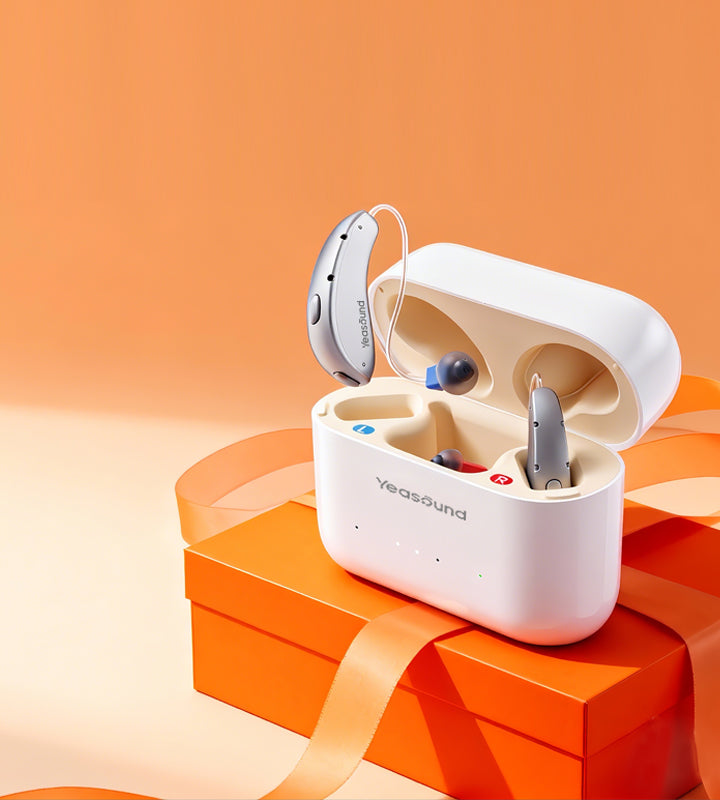

The hard part of a restaurant is not always the noise itself. It is the way the noise keeps changing. A server leans in from the left. Someone at the next table laughs. Music gets louder near the bar. Your friend tells the best part of a story just as plates land on the table. You smile, guess, and hope you did not miss the important word. That is the real reason someone searches for the best otc hearing aids for restaurant conversations.

This article looks at restaurant hearing as a social problem first, not a gadget problem. The question is not which device claims the strongest noise reduction. The question is whether you can follow the person you came to see without feeling drained halfway through dinner.
Restaurants Expose What Quiet Rooms Hide
A hearing aid can sound perfectly fine at home and still feel disappointing in a restaurant.
Quiet rooms are forgiving. There is less sound competition, fewer voices crossing, and more time to fill in a missed word. Restaurants remove those advantages. Speech comes from multiple directions, surfaces reflect sound, and background noise often lives in the same pitch range as conversation. ASHA notes that many adults with hearing loss mainly complain about understanding speech in background noise, and speech-in-noise testing can reveal problems that quiet testing may miss: ASHA Hearing Loss in Adults.
That matters because a restaurant device should not be judged only by volume. If the hearing aids make the entire room louder, you may hear more but understand less. The useful improvement is separation: your table becomes easier to follow while the rest of the room becomes less demanding.
Start With the Table, Not the Technology

Where you sit can change the experience before the hearing aids do anything.
Choose a booth or wall seat when possible. Sit with your back toward the loudest part of the room. Face the person you most want to hear. Avoid being directly under speakers or near the kitchen entrance. None of this replaces hearing support, but it gives any device a fairer chance.
If you are testing OTC hearing aids for dining out, use the same restaurant twice if you can. One meal on a quiet Tuesday and another on a busy Friday will teach you more than one dramatic dinner. Also notice whether you are missing every voice or mainly soft voices, fast talkers, and people seated farther away.
What OTC Hearing Aids Should Do in Noise
For restaurant conversation, the best OTC hearing aids should reduce listening effort, not promise silence.
Look for speech-focused processing, manageable background noise, comfortable fit, quick volume or mode changes, and enough battery life for a full evening. App controls can help if you are comfortable making small adjustments discreetly. Directional microphones may help in some table positions, but real restaurants are rarely neat listening labs.
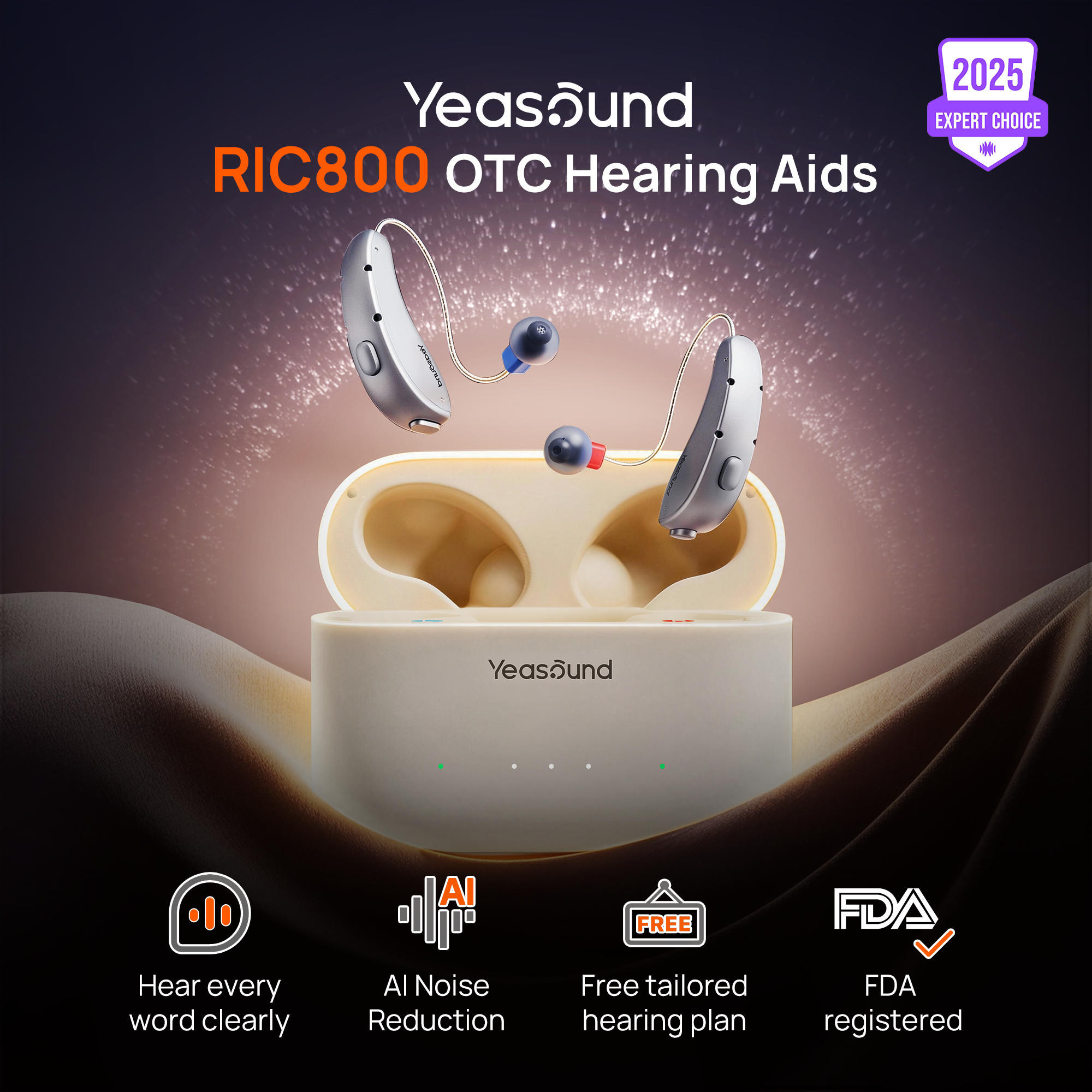
Yeasound RIC800 can be considered when restaurant trouble is part of broader perceived mild-to-moderate hearing difficulty. Its AI noise reduction and sound technology, auto speech focus, app controls, and rechargeable design are practical features to test across dining, errands, TV, and phone calls. Keep the trial honest: if a device only helps in a quiet booth but not a normal meal, keep comparing.
A Restaurant Test That Feels Like Real Life
Do not test hearing aids only by asking, "Can I hear better?"
Use questions that match the social moment. Did you catch the server's special? Did you follow the story without asking for a repeat three times? Did you hear the check total? Did you feel less tired after the meal? Did you avoid leaning forward all night? These small details are the restaurant version of performance data.
|
Test moment |
What to notice |
|---|---|
|
Ordering food |
Can you catch options, prices, and questions from the server? |
|
One-on-one talk |
Is the other person's voice easier to follow without staring? |
|
Group conversation |
Can you track who is speaking and when the topic changes? |
|
Background music |
Does music feel controlled or painfully sharp? |
|
End of meal |
Are you less tired than usual? |
Try at least three restaurant settings: a quiet cafe, a family restaurant, and one genuinely noisy place. If the device helps only one of them, that is still information. You may need different settings, a different fit, or a more realistic expectation for extreme noise.
When Dining Trouble Is Not Just a Restaurant Problem
Restaurant frustration often points to a bigger speech-in-noise pattern.
If you also struggle in cars, meetings, family gatherings, or busy stores, the issue probably follows you beyond dining. That does not mean you need a complicated device. It means your trial should include several noisy places, not just one dinner.
If hearing changed suddenly, one ear is much worse, or you have dizziness, pain, drainage, or pressure, do not treat restaurant noise as a shopping problem. Get professional input first.
FAQ
Are OTC hearing aids good for noisy restaurants?
They can help when restaurant trouble is part of perceived mild-to-moderate hearing difficulty, but no device removes all background noise. Look for better speech focus and less fatigue, not silence.
What feature matters most for restaurant conversations?
Speech-in-noise support matters most, followed by comfort, easy adjustments, and a fit that stays stable while you talk and eat.
Should I use a restaurant mode?
Use it if the device offers one and it actually helps. Test it against your normal setting in the same restaurant before deciding.
Can seating really make that much difference?
Yes. A booth, wall seat, or quieter corner can reduce sound competition and make any hearing aid work more fairly.
When should I get a hearing test?
Use a free online hearing test as a quick starting point if the problem is gradual and mild, but get a professional evaluation if restaurant trouble comes with sudden change, one-sided symptoms, dizziness, pain, drainage, or severe daily communication difficulty.



Share:
Stay Updated
Get the latest hearing tips & news delivered to your inbox.