




Office hearing problems rarely announce themselves politely. They show up as missed action items, a name you did not catch, a side comment after the meeting, or a coworker talking from behind a monitor. By the time you ask for a repeat, the conversation has moved on. That is why choosing the best hearing aids for office workers is less about one feature and more about the rhythm of the workday.

This article takes a workplace-first view. It is not another general hearing aid list with "office" added to the title. The office has its own problems: speed, background chatter, hybrid calls, discretion, and the pressure to keep up.
Office Hearing Is About Timing
At work, missing a sentence can mean missing a task.
In a family conversation, you may ask for a repeat and laugh it off. In a meeting, the missed sentence may contain a deadline, a client name, a decision, or a change in direction. Open offices add more trouble because voices overlap with keyboards, HVAC, printers, and hallway conversations.
The National Institute on Deafness and Other Communication Disorders reports hearing statistics that include speech-frequency hearing loss among adults with occupational noise exposure: NIDCD Quick Statistics. Not every office is noisy enough to damage hearing, but many workplaces are noisy enough to make existing hearing difficulty more visible.
Match the Device to Your Work Pattern
A private office, a retail counter, and a conference-heavy job do not need the same hearing solution.
If you spend most of the day in one-on-one conversations, comfort and natural voice clarity may matter most. If you attend meetings, you need speech focus and low fatigue. If your job involves phone calls, Bluetooth compatibility and call clarity matter. If you move between spaces, quick adjustments become more important.
Before choosing, write down your three hardest work moments. "Meetings" is too broad. "I miss quiet comments from the far end of the table" is useful. "I cannot follow a call when someone else is talking nearby" is useful. Those details should guide the device.
Features That Matter at Work
The best office hearing aids reduce friction without drawing too much attention.
Look for comfortable all-day wear, speech clarity, background noise control, stable battery life, easy adjustments, and phone or app compatibility if calls are part of your job. A discreet design can help confidence, but do not choose size over usefulness.
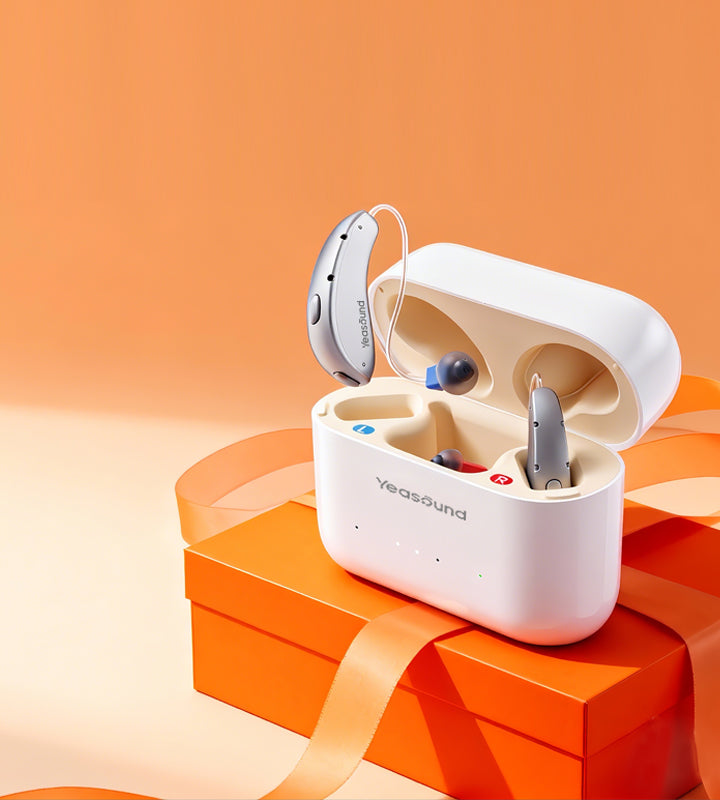
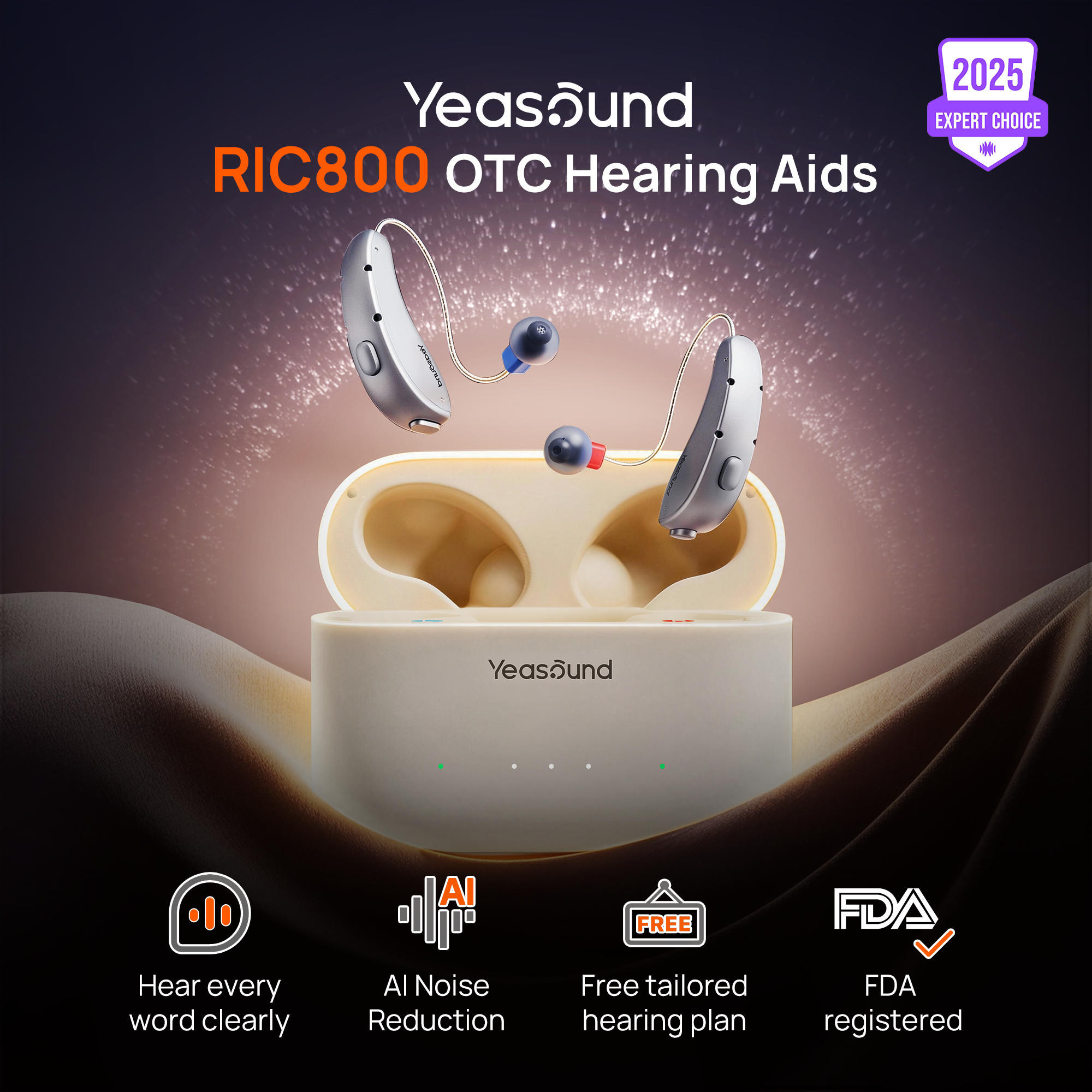
Yeasound RIC800 may be worth considering for office workers with perceived mild-to-moderate daily hearing difficulty. Its AI noise reduction, auto speech focus, app controls, rechargeable design, and Bluetooth audio support are all features to test in actual meetings and calls. Yeasound's Device Compatibility Guide is especially relevant if your phone is part of your workday.
Build a Work Trial Like a Calendar
Do not test work hearing aids only on a quiet afternoon.
Use your calendar. Test one small meeting, one larger meeting, one phone call, one video call, one informal desk conversation, and one noisy break area or lunch setting. After each, write down what you missed and how tired you felt.
|
Work situation |
What to test |
|---|---|
|
Small meeting |
Names, decisions, and quick side comments |
|
Large meeting |
Distant voices and overlapping speech |
|
Phone call |
Numbers, dates, and caller clarity |
|
Open office |
Background chatter and fatigue |
|
Desk conversation |
Speech from the side or behind you |
If you are more confident but still miss details, you may need different settings. If you are exhausted by the device itself, comfort or sound processing may be the issue.
Privacy Is Practical, Not Vanity
Many office workers care about discretion for understandable reasons.
You may not want hearing aids to become a workplace topic. You may not want colleagues to change how they speak to you. That is human. But privacy should not push you into a device that is too small to handle, too weak for meetings, or too hard to adjust.
A slightly more visible device that works well may feel less noticeable in the long run because you stop struggling. Confidence at work comes from catching the conversation, not only from hiding the device.
FAQ
What are the best hearing aids for office workers?
The best option depends on the job. Office workers should prioritize speech clarity, comfort, background noise control, battery life, and phone compatibility when calls matter.
Are small hearing aids better for work?
Small hearing aids can feel more discreet, but they are not always better. Handling, battery life, controls, and performance in meetings matter more.
Can hearing aids help in open offices?
They may help reduce listening effort, but open offices remain difficult. Test background noise control and fatigue during real workdays.
Should I use Bluetooth hearing aids for work calls?
Bluetooth is useful if calls, video meetings, or streaming audio are part of your work. Check compatibility with your phone and work setup first, then use the Yeasound Support Center if setup questions come up.
When should I get a professional hearing test?
Get tested if work listening problems are sudden, one-sided, severe, or paired with dizziness, pain, pressure, or drainage.



Share:
Stay Updated
Get the latest hearing tips & news delivered to your inbox.